TL;DR
Luxury facial cleansing brushes are optional tools that can spread cleanser and loosen surface residue, but evidence that they consistently outperform careful hand washing is limited. Choose a surface and features you can maintain, use light pressure for a short time, and stop if your skin becomes persistently red, tight, or irritated.
A polished cleansing brush can make your bathroom counter look like a spa, but the price tag does not tell you what it will do for your skin. Luxury facial cleansing brushes range from soft-bristled devices to smooth silicone tools, and both promise a more satisfying wash. The real difference often comes down to feel, features, upkeep, and whether your skin tolerates extra friction.

Get beauty and skincare favorites delivered free with Prime
- Fast, free delivery on millions of items
- Prime Video, Amazon Music and more included
- Member-only deals all year
This guide will help you compare those choices without treating a gadget as a skincare necessity. You’ll learn what brushes can reasonably do, how to use one gently, which features justify their cost, and when clean hands are the better tool. Think of a brush like a soft washcloth: handy for some routines, but not a shortcut around care and good technique.
A brush can help spread cleanser and loosen surface residue, but careful hand washing is enough for many people.
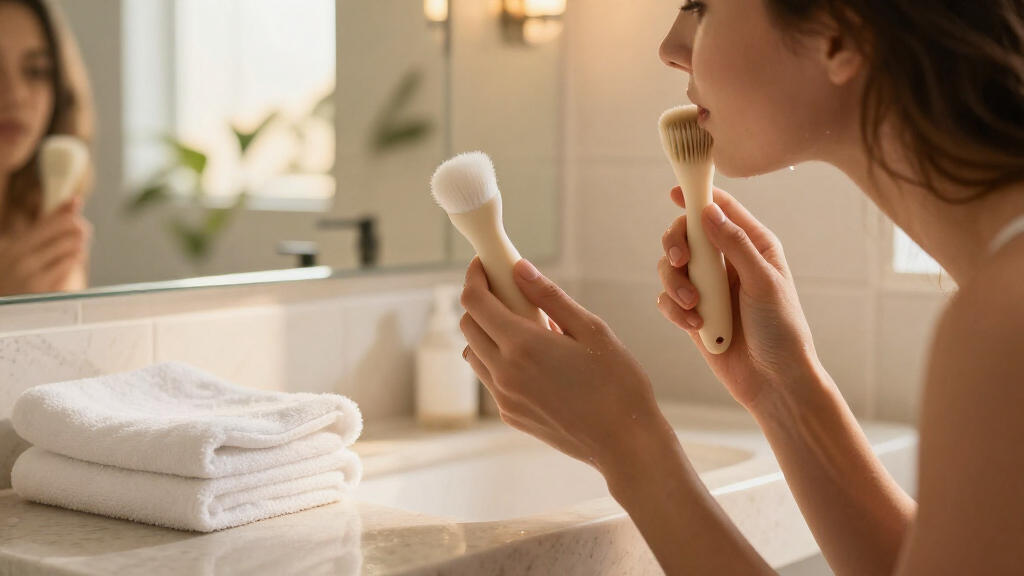
Bristles give textured contact; silicone may rinse and dry more easily; neither is right for every face.
Use light pressure for a brief wash and stop if redness, stinging, or tightness persists.
Avoid brushing broken or actively inflamed skin, and use extra care with retinoids, acids, and acne treatments.
Compare cleaning effort, replacement parts, warranty, and total cost before paying a luxury price.
What a luxury cleansing brush can—and cannot—do
A luxury facial cleansing brush is a powered or manual tool that brings soft bristles or a smooth surface into contact with your skin while you wash. It can help spread cleanser and loosen some surface residue, much like a gentle kitchen sponge lifts crumbs from a plate. It does not replace careful makeup removal, and current evidence that brushes consistently outperform clean hands is limited.
That distinction matters on a long day when sunscreen, foundation, and city dust cling around your nose and hairline. A brush may make it easier to work cleanser across those areas, but it cannot tell whether stubborn mascara needs a separate remover. Rubbing harder or lingering longer is not a reliable way to get a better cleanse.
Luxury describes a product’s positioning, such as its materials, design, replacement heads, or timer settings. It is not a medical or dermatological standard. For many people, a mild cleanser and clean fingertips already do the job comfortably.
So judge the tool by the experience it adds to your routine, not by a promise of flawless skin. If a gentle hand wash leaves your face comfortable and clean, you may not gain much from adding a device. A more elaborate wash is not automatically a more effective one.
Popular right now

Ninja CREAMi 7-in-1 Ice Cream Maker, NC301

Dyson Car+Boat Cordless Handheld Vacuum

Dyson HushJet Compact Air Purifier, White/Silver
As an affiliate, we earn on qualifying purchases.
Compare bristles, silicone, and clean hands before you buy
For a luxury facial cleansing brush, the best surface depends on how it feels on your skin and how readily you’ll clean it afterward. Bristles offer textured, direct contact, while silicone tends to rinse and dry with less fuss; hands provide a simple, low-cost wash with no device to maintain. No option is universally best.
| Option | What it feels like | What to weigh |
|---|---|---|
| Bristle brush | Soft, textured contact | Check that the head can be rinsed, dried fully, and replaced as directed. |
| Silicone brush | Smooth, flexible nubs | Often easy to rinse and dry; still needs regular cleaning. |
| Clean hands | Direct, adjustable pressure | No accessory cost, and you control the pressure naturally. |
Imagine choosing between two bags for a weekend trip: the one with more pockets is useful only if those pockets suit what you carry. A brush with a soft feel and an easy drying spot may work well for you, while elaborate settings may gather dust. If you already enjoy washing with your hands, a new tool may add expense without changing the result.
Pay attention to your skin after washing, not just the first pleasant buzz or silky glide. If your face feels tight or looks red, the surface or pressure may not suit you. Comfort and consistency tell you more than a premium finish.
Use a brush gently with this simple wash routine
Use a cleansing brush with light pressure for a brief wash, following the device instructions and stopping if your skin stings or stays red. Gentle contact matters more than scrubbing. If the brush has speed or timer controls, treat them as guides for restraint, not invitations to extend the session.
- Remove makeup carefully. Use a suitable remover for mascara or long-wear products rather than scrubbing around your eyes.
- Wet your face and the brush. Apply your usual gentle cleanser and spread it across the skin.
- Glide lightly. Work in small areas with minimal pressure and a short duration guided by the manual.
- Rinse and check in. Wash away residue, then notice whether your skin feels calm or tight.
- Clean and dry the tool. Rinse away debris and let the surface dry fully before storing it.
For example, after a run, you might wash sweat and sunscreen from your forehead and cheeks with a short, gentle pass. If your cheeks feel hot or your nose looks flushed afterward, switch back to your hands and see whether the discomfort settles.
There is no single schedule that suits everyone. Start cautiously, follow the maker’s directions, and reduce or stop use if irritation appears. Your face should feel comfortable after cleansing, not polished by friction.
Protect sensitive skin from too much friction
A facial brush can irritate skin that is already dry, sensitive, broken, or inflamed, so friction deserves extra care. Skin affected by rosacea, eczema, active acne, or irritation may react to brushing even when the tool feels soft. Clean hands are often a safer starting point when your face is having a difficult week.
Picture someone using a retinoid at night and noticing flaky patches around the mouth. Adding a brush to chase away those flakes may create more redness and discomfort, like sanding a delicate painted surface. Brushing does not treat acne, and breakouts have many possible causes.
Products such as retinoids, exfoliating acids, and some acne treatments can make skin more sensitive. Combining them with mechanical friction may increase irritation, so consider hand cleansing and follow product directions or a clinician’s advice. If you have a pre-existing skin condition or persistent concerns, ask a dermatologist whether a brush makes sense for you.
Stop using the brush on any area that stings, stays red, feels unusually tight, or has broken skin. A calmer wash is a better choice than pushing through discomfort.
For instance, if your cheeks are wind-chapped after a cold walk, skip the brush until they feel comfortable again. A gentle cleanser, clean hands, and a soft towel pressed lightly against your face can be enough.
Keep the brush clean, dry, and ready for next time
A reusable cleansing brush needs regular cleaning and complete drying because cleanser, oil, and water can collect on its surface or head. Silicone may be simpler to rinse and dry, but no material cleans itself. Follow the manufacturer’s cleaning and replacement instructions for the specific model.
Think of the brush as a small face cloth that needs its own place to dry. After washing, rinse away foam and visible debris, shake off excess water, and leave it somewhere airy rather than sealed in a damp pouch. A travel case can protect the tool on a trip, but pack it only when it is dry.
Suppose you finish a late-night wash and drop a wet brush into a closed toiletry bag. The next morning, a musty smell or residue is a sign to clean it and let it dry fully before the next use. A tidy sink and an open holder make that routine easy enough to repeat.
Check replacement guidance for bristle heads and other removable parts, and make sure replacements are actually available. Cleaning and storage affect hygiene more than a premium logo or a sleek charging dock. If upkeep feels like a chore, your hands may be the more practical choice.
Decide whether the luxury features earn their price
A luxury facial cleansing brush earns its price only if its design, comfort, and useful features fit your routine and budget. Premium products may offer timers, pressure controls, waterproofing, charging, replaceable heads, or a travel-friendly shape. Those are product features, not proof of superior skin benefits.
Take a traveler who washes at home and packs a small toiletry kit twice a month. A lightweight, easy-to-dry tool may suit her better than a bulky model with an app she rarely opens. Someone else may value a simple timer because it helps them keep each wash brief.
Before buying, calculate the total ownership cost: the device, replacement parts, charging needs, warranty, and how easy it will be to get another head. A discounted brush can become expensive if its accessories are hard to find. A higher price alone does not promise better cleansing.
- Comfort: Does the surface feel gentle against your skin?
- Upkeep: Can you rinse, dry, and store it without hassle?
- Useful controls: Will a timer or pressure setting change how you use it?
- Long-term cost: Are replacement parts and warranty support available?
Recent designs often highlight silicone, minimalist shapes, travel formats, and customizable settings. Compare the features that solve a real problem for you; skip those that only look impressive on a product page. If the numbers or upkeep do not suit your routine, keep the money for a cleanser you already enjoy.
Frequently Asked Questions
Do facial cleansing brushes work better than hands?
They may help spread cleanser or loosen surface residue, but evidence that they consistently produce better skin outcomes than careful hand washing is limited. If clean hands leave your face comfortable and clean, you may not need a brush.
Are cleansing brushes suitable for sensitive or acne-prone skin?
They can irritate sensitive or inflamed skin, particularly if you press hard or use one for too long. A gentle hand wash is often a safer starting point; ask a dermatologist if you have ongoing skin concerns.
Can a cleansing brush cause breakouts?
Friction can worsen irritation, and a poorly cleaned brush can hold residue, but breakouts have many causes. A brush is not an acne treatment, so stop using it if it seems to irritate your skin.
Can I use a cleansing brush with retinol or exfoliating acids?
Retinoids, exfoliating acids, and some acne treatments can make skin more sensitive, and adding friction may increase irritation. Consider cleansing with your hands and follow the product directions or your clinician’s advice.
How do I clean a facial cleansing brush?
Rinse away cleanser and debris after use, let the brush dry fully in an airy spot, and follow the maker’s cleaning and replacement instructions. Silicone can be easy to rinse, but it still needs regular care.
Are expensive cleansing brushes worth it?
Value depends on comfort, durability, useful controls, replacement costs, and whether you will use the device gently and consistently. A premium price alone does not establish better cleansing or better skin outcomes.
Conclusion
Choose a cleansing brush for a comfortable wash and practical features you will use, not for the word “luxury” on the box. Keep the pressure light, clean and dry the tool, and return to your hands if your skin starts to complain.
The best face wash is the one that leaves your skin calm—whether it hums softly on the counter or happens with nothing but clean fingertips.