TL;DR

Get beauty and skincare favorites delivered free with Prime
- Fast, free delivery on millions of items
- Prime Video, Amazon Music and more included
- Member-only deals all year
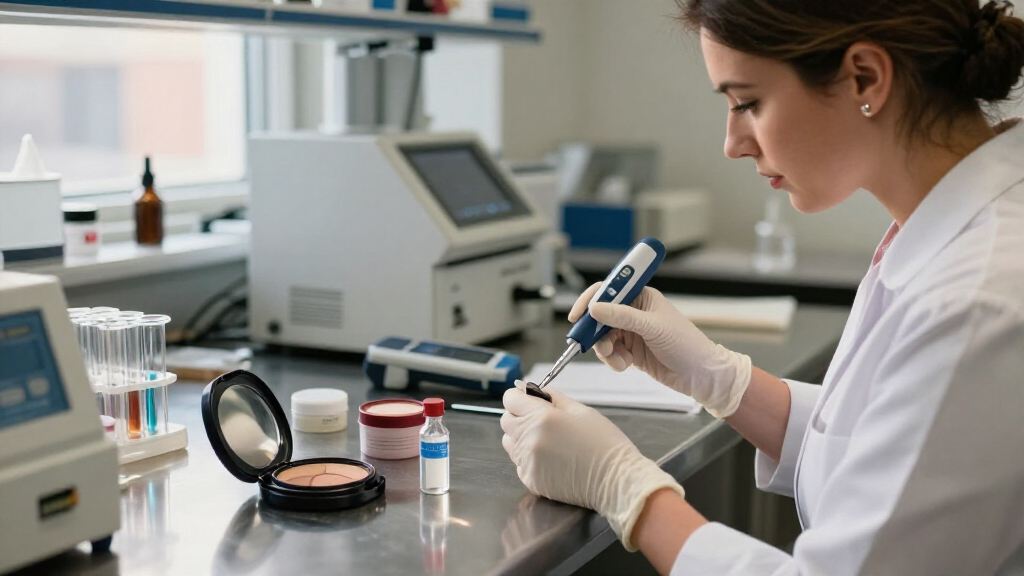
UK Trading Standards testing found that 20 of 50 seized counterfeit cosmetic products failed safety checks. Tests identified prohibited or potentially harmful substances, including mercury in a skin-lightening cream, lead in make-up and methanol in a fragrance. The Intellectual Property Office is highlighting the findings through its Face the Fakes campaign and urging beauty businesses to check their suppliers.
Testing of 50 counterfeit cosmetic products seized in the UK found that 20 failed safety checks, with substances including mercury, lead and methanol detected, according to findings highlighted by the Intellectual Property Office (IPO). The results are being promoted through its Face the Fakes campaign, which is urging beauty salons, retailers and professionals to scrutinise the products they buy, use and sell.
Trading Standards examined a cross-section of seized products spanning skin care, make-up and fragrance. The IPO’s report says one counterfeit skin-lightening cream contained 1.32% mercury, or 13,200 parts per million. Mercury is prohibited in cosmetics of this type. The report says repeated skin exposure can damage the kidneys and nervous system.
High levels of lead were detected in counterfeit lipstick, eyeshadow and contour products; one contour kit contained 40 milligrams per kilogram. Testing also found nicotine in a counterfeit perfume, which the report says is a prohibited cosmetic ingredient. One counterfeit fragrance contained around 80% methanol, a toxic alcohol that can be absorbed through skin or inhaled. At sufficiently high exposure, methanol can cause serious poisoning, including harm to eyesight and the nervous system.
Investigators also found 8.1% hydroquinone in a counterfeit skin-lightening cream. Hydroquinone is prohibited in cosmetic skin-lightening products in the UK, according to the report, which says it can irritate skin and, with repeated use, potentially cause lasting changes in pigmentation. The source does not specify whether this cream was the same product as the one containing mercury.
Risks From Unverified Beauty Products
The results show why counterfeit cosmetics present a consumer safety concern beyond the possibility that buyers may receive a product that is ineffective or misrepresented. Ingredients that are prohibited or present at concerning levels can expose people to risks they may not be able to identify from a product’s appearance or packaging. The tests do not establish how many people bought or used the tested items, or whether anyone was harmed.
The findings also concern salons, retailers and beauty professionals, who may purchase products for use on clients or for resale. The IPO campaign’s call to strengthen checks puts emphasis on supply sources as well as on individual consumer choices. Counterfeit goods may not have gone through the safety assessments and legal controls associated with legitimate cosmetics sold in the UK.
For the wider beauty sector, counterfeit products can also trade on the names and reputations of established brands without meeting the same standards. The British Beauty Council says counterfeiting undermines the work legitimate businesses put into product development and consumer confidence. That is an industry perspective; the reported laboratory findings provide the specific evidence of safety failures in the sample tested.
Popular right now

Vitamix Propel Series 750 Professional-Grade Blender, 4 Programs, Black

Roborock F25 Ultra Steam Wet Dry Vacuum Mop

De'Longhi 15-Bar Pump Espresso Machine with Milk Frother & Temperature Control
As an affiliate, we earn on qualifying purchases.
How the IPO Campaign Fits In
The IPO is using the results in its Face the Fakes campaign, which works with beauty-industry organisations, scientific experts and social media creators to raise awareness about counterfeit goods. The campaign’s current message is directed not just at consumers but also at businesses that buy and supply cosmetics.
Beauty products are among the counterfeit goods investigated by Trading Standards. The source identifies cosmetics, skin care and perfumes as part of its ten most commonly investigated categories, but does not provide a ranking or figures for the categories. Recent enforcement activity cited in the report includes a Manchester warehouse raid in July 2026, in which the Police Intellectual Property Crime Unit and Greater Manchester Police seized 1,666 counterfeit hair products, including extensions, shampoo and conditioners. It also mentions a Bolton operation where Trading Standards seized goods valued at £2 million, including perfume, cosmetics, clothing and vapes.
Those raids illustrate ongoing enforcement work, but the source does not say that the products seized in either operation were part of the 50-item safety-testing sample. Nor does it establish a direct link between the raids and the Face the Fakes campaign’s test results.
““Safety and trust run right through our industry, from the brands developing products to the retailers and professionals bringing them to consumers.””
— Millie Kendall, chief executive of the British Beauty Council
Limits of the Safety Test Results
The reported failure rate applies to 20 of the 50 seized products tested, a cross-section of counterfeit cosmetics. The source does not say how the products were selected, where all were seized, or how representative the sample is of counterfeit cosmetics more broadly. It should not be read as an estimate that four in ten counterfeit products on the UK market fail safety checks.
The report describes substances found and potential health effects, but does not provide exposure measurements for people, clinical findings, or confirmed cases of injury linked to the products. Risk depends in part on how a product is used and the level and duration of exposure; the cited test results alone do not establish that a particular user was harmed.
It is also not clear whether the IPO has identified the sellers or manufacturers responsible for the tested items, whether further enforcement action is planned, or whether any product recall or public list of affected brands has been issued. The supplied information does not name the products or brands in the safety-testing sample.
Checks and Further Enforcement
The immediate next step described by the IPO campaign is for beauty businesses to strengthen supplier and product checks. Salons, retailers and professionals are being urged to scrutinise what they buy, use and sell and to choose sources they can trust. The source does not set out a new regulatory deadline or detail a specific inspection programme arising from the results.
Consumers concerned about a product can check where it was purchased and contact the retailer or relevant authorities for advice. The campaign’s broader work with industry groups and experts is intended to raise awareness, but the IPO has not provided a timetable for further testing or announced additional findings in the source material.
Further information would be needed to establish whether the testing will expand, whether enforcement agencies will pursue particular suppliers, and whether any confirmed consumer harm is connected to the seized items. For now, the central confirmed finding remains the test outcome: 20 of 50 seized counterfeit cosmetics failed safety checks.
Key Questions
What did UK testing find in counterfeit cosmetics?
Trading Standards testing found 20 of 50 seized counterfeit cosmetic products failed safety checks. The reported substances included mercury, lead, methanol, nicotine and hydroquinone across skin care, make-up and fragrance products.
Which tested product contained the most methanol?
The report says one counterfeit fragrance contained around 80% methanol. It describes methanol as a toxic alcohol that can be absorbed through skin or inhaled, with sufficiently high exposure capable of causing serious poisoning.
Does the 20-out-of-50 result describe all counterfeit cosmetics in the UK?
No. It describes a cross-section of 50 seized products. The source gives no basis for treating the sample as representative of all counterfeit cosmetics sold in the UK.
Were injuries linked to the tested products confirmed?
The source reports laboratory findings and potential health effects, but does not report confirmed injuries or clinical cases linked to the products tested.
What does the campaign ask beauty businesses to do?
The Face the Fakes campaign is urging salons, retailers and beauty professionals to strengthen checks on the cosmetics they buy, use and sell, including paying attention to who supplies them.
Source: cosmeticsbusiness.com