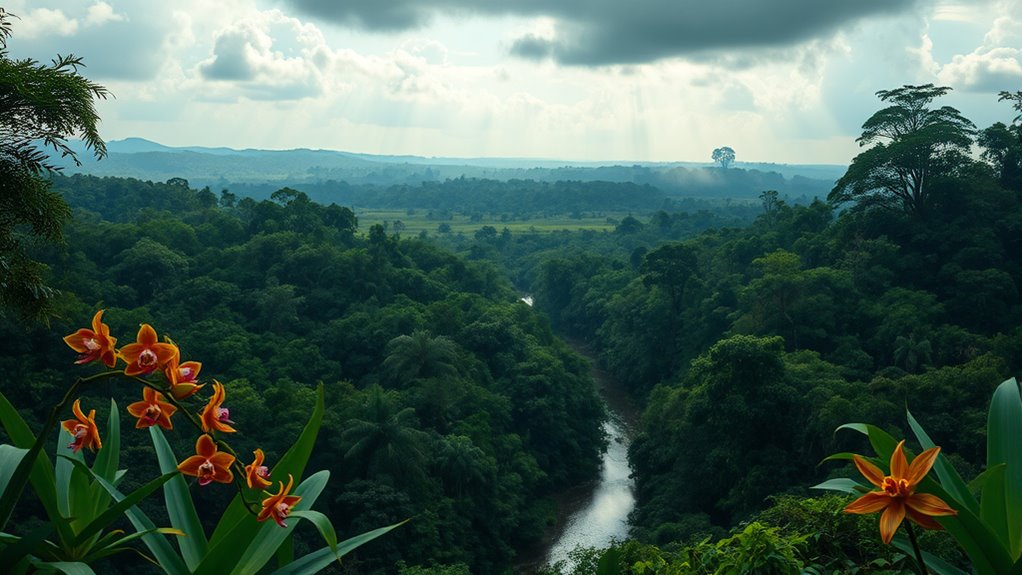

COP30 has resulted in clear commitments on adaptation, loss and damage, and Amazon conservation. Nations agreed to establish funds supporting vulnerable regions, improve ecosystem protection, and promote sustainable land use. There’s increased focus on safeguarding communities from climate impacts and ensuring transparency in financial mechanisms like carbon trading. If you want to understand how these plans aim to turn promises into action and what still needs attention, there’s more to explore below.
Key Takeaways
- COP30 emphasized scaling up adaptation efforts, including establishing funds for vulnerable regions like Africa and small island states.
- Increased commitments were made for loss and damage, seeking concrete mechanisms for climate impact compensation.
- The conference highlighted the importance of transparent oversight in carbon trading to ensure effective emissions reductions.
- Agreements focused on protecting the Amazon rainforest through sustainable land use, indigenous rights, and climate finance.
- Enhanced monitoring and data collection are prioritized to guide decision-making and ensure timely, effective climate action.
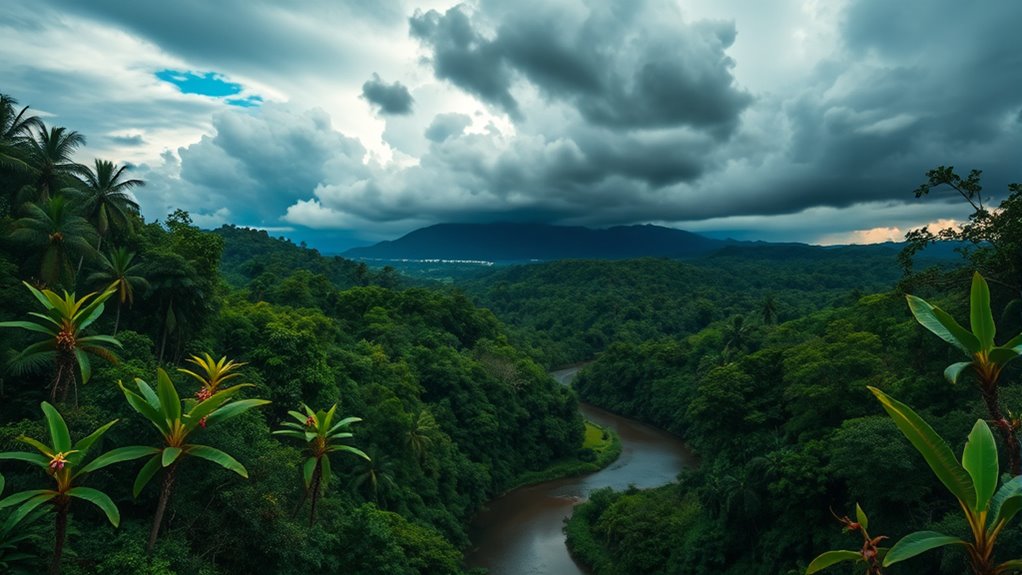
As COP30 concludes, tracking its outcomes becomes essential to understanding the progress made in addressing climate change. You need to see how commitments translate into tangible actions, especially in areas like adaptation, loss and damage, and the critical role of ecosystems such as the Amazon. One of the standout discussions revolves around carbon trading and climate finance, which are fundamental tools for mobilizing resources and incentivizing emissions reductions. These mechanisms are designed to channel funds into sustainable projects, but their effectiveness depends on clear agreements and transparent implementation. If you’re following the negotiations, you’ll notice a push for stronger oversight of carbon markets to prevent issues like double counting and to guarantee that trading genuinely leads to reduced global emissions. Climate finance, on the other hand, remains a focal point, with developed nations being called upon to fulfill promises of increased funding to support vulnerable countries. This financial support is indispensable for enabling adaptation measures, building resilience, and addressing loss and damage caused by climate impacts.
Specifically, in the context of adaptation, COP30 emphasized the need for countries to scale up efforts to protect communities from climate-related risks. You might observe agreements to establish dedicated funds for vulnerable regions, especially in Africa and small island states, where climate impacts are felt most acutely. These funds are intended to help communities develop climate-resilient infrastructure, improve water management, and implement early warning systems. Additionally, the importance of high-quality data and monitoring systems in assessing progress and guiding actions was highlighted, emphasizing the need for accurate information to inform decision-making. However, the challenge remains in guaranteeing that these commitments are funded promptly and effectively utilized. Loss and damage discussions have gained prominence, with nations seeking more concrete mechanisms to compensate countries suffering from irreversible climate impacts. This includes financial payouts and support for restoring ecosystems affected by climate-induced disasters.
Turning to the Amazon, the focus is on preserving this essential rainforest, which acts as a major carbon sink. COP30 underscored the importance of protecting the Amazon’s biodiversity while promoting sustainable land use. You’ll see efforts to strengthen indigenous land rights, as indigenous communities play a key role in conserving these forests. Additionally, climate finance is being directed toward sustainable agriculture and deforestation prevention projects in the region. The success of these initiatives hinges on international cooperation and the effective deployment of resources. Overall, COP30’s outcomes show a clear recognition that addressing climate change requires integrated solutions—balancing financial mechanisms like carbon trading, safeguarding ecosystems such as the Amazon, and supporting vulnerable populations through dedicated adaptation and loss and damage funding. As you follow these developments, it’s evident that the momentum is shifting toward more actionable commitments, but the real test lies in their implementation and on-the-ground impact.
climate adaptation funds for vulnerable regions
As an affiliate, we earn on qualifying purchases.
As an affiliate, we earn on qualifying purchases.
Frequently Asked Questions
How Will COP30 Outcomes Influence Local Climate Policies?
COP30 outcomes will shape your local climate policies by emphasizing climate finance and encouraging policy integration. You’ll likely see increased funding for adaptation projects and more coordinated efforts across sectors to address loss and damage. These global commitments push you to align your policies with international goals, ensuring your community invests in resilient infrastructure and sustainable practices. Ultimately, COP30’s decisions drive your local actions toward a more sustainable and climate-resilient future.
What Specific Funding Commitments Were Made for Loss and Damage?
Think of the funding commitments as seeds planted for recovery. You’re assured that financial pledges include new funding mechanisms aimed at loss and damage, with specific sums allocated to vulnerable regions. These commitments aim to bridge the gap, ensuring affected communities receive timely support. While the exact figures vary, the emphasis remains on establishing reliable, accessible funding channels to address the urgent needs caused by climate impacts.
How Are Indigenous Communities Involved in Adaptation Strategies?
You’re actively involved in adaptation strategies that prioritize indigenous knowledge and community-led initiatives. Indigenous communities contribute valuable insights on local ecosystems and sustainable practices, shaping effective, culturally appropriate solutions. By supporting their leadership, you empower these communities to manage climate impacts better, ensuring adaptation efforts are inclusive and sustainable. Your engagement recognizes their essential role in building resilience and fostering long-term environmental stewardship through traditional knowledge and grassroots actions.
What Are the Next Steps After COP30 for Amazon Conservation?
You’ll want to immerse yourself in forest restoration projects and explore carbon markets to protect the Amazon’s future. After COP30, focus on strengthening policies that promote sustainable conservation and empower local communities. Collaborate with governments, NGOs, and indigenous groups to implement tangible actions. Your involvement can help drive funding, guarantee accountability, and turn commitments into real change, ultimately safeguarding this essential ecosystem for generations to come.
How Will Progress Be Monitored Beyond COP30?
You’ll see progress monitored through robust monitoring frameworks that track environmental and social impacts over time. Accountability mechanisms will guarantee transparency and responsibility, allowing you to hold stakeholders accountable for their commitments. Regular reporting, independent assessments, and technological tools will keep everyone informed. By maintaining these structures beyond COP30, you can actively support ongoing conservation efforts and ensure that initiatives in the Amazon continue to advance effectively.

4 in 1 Upgrade Portable Carbon Monoxide Detectors Plug in, CO Detector & Natural Gas Leak Detector for Home, RV Travel with Audible & Visual Alarm, Battery, HD Digital Display Temp, Humidity (Grey)
【Upgraded Version Plug in Carbon Monoxide Detector Battery Powered】This new combination gas detector & carbon monoxide detectors features…
As an affiliate, we earn on qualifying purchases.
As an affiliate, we earn on qualifying purchases.
Conclusion
As you follow the COP30 outcomes, it’s striking how adaptation efforts, loss, and damage discussions unexpectedly converge with the Amazon’s fate. It’s as if nature itself is reminding us that these issues aren’t separate—they’re intertwined, just like our actions and their consequences. The coincidence isn’t lost on you; it’s a call to act now. Because if we don’t, the very heart of the Amazon—and our future—may be lost forever.

Rainforest Gifts | Real Piece of Rainforest in Peru | Highly Unique Gift idea | Blank Certificate to Write in The Name of Your Choice | for Women, Men, Birthday, Anniversary, Wedding
✅ 𝗠𝗔𝗞𝗘 𝗬𝗢𝗨𝗥𝗦𝗘𝗟𝗙 𝗧𝗛𝗘 𝗥𝗢𝗖𝗞𝗦𝗧𝗔𝗥 with the 𝗯𝗲𝘀𝘁 𝗴𝗶𝗳𝘁 𝗜𝗗𝗘𝗔 𝗲𝘃𝗲𝗿! 𝗔 𝗣𝗜𝗘𝗖𝗘 𝗢𝗙 Rainforest in Peru –…
As an affiliate, we earn on qualifying purchases.
As an affiliate, we earn on qualifying purchases.
Energy Resilience and Climate Protection: Energy systems, critical infrastructures, and sustainability goals
As an affiliate, we earn on qualifying purchases.
As an affiliate, we earn on qualifying purchases.