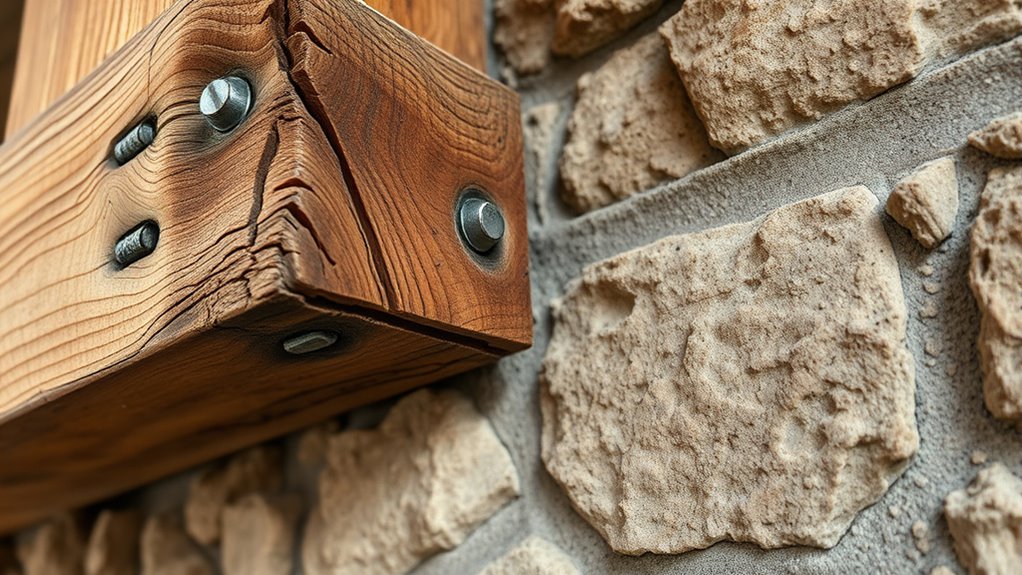

Material honesty means appreciating the true qualities of wood, steel, and stone without hiding their natural features or adding superficial finishes. You celebrate their authentic aging, like the patina on wood or rust on steel, which reveal their character and history. Natural imperfections and textures showcase their resilience and beauty, emphasizing what makes each material unique. If you stay curious, you’ll discover how embracing these qualities creates spaces rooted in genuine, unaltered material authenticity.
Key Takeaways
- Material honesty emphasizes transparency by showcasing the true qualities and natural aging of wood, steel, and stone.
- Authentic materials reveal their unique textures, colors, and imperfections, reflecting their true nature and history.
- Embracing natural aging and patina in wood, steel, and stone highlights their resilience and genuine character.
- Avoiding artificial concealment, honest materials demonstrate strength, wear, and natural variations as marks of authenticity.
- Respecting the natural evolution of materials fosters spaces rooted in genuine beauty and integrity.
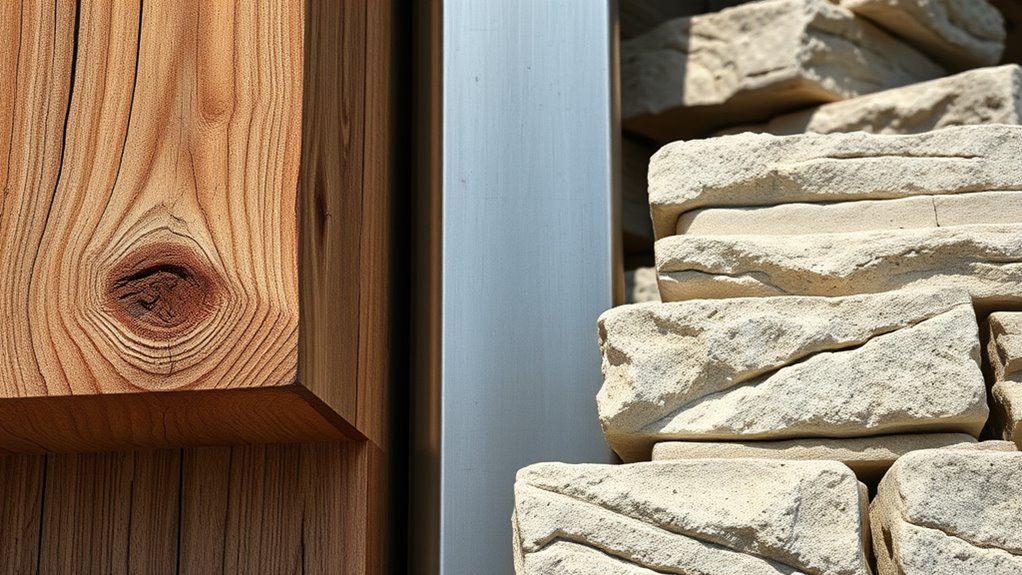
Material honesty is about being truthful and transparent in the way you handle and present physical possessions. When it comes to materials like wood, steel, and stone, this honesty shines through in how these substances reveal their true nature over time. For instance, with wood, natural aging becomes a testament to its authenticity. Unlike synthetic materials that maintain a uniform appearance, aged wood develops a patina—subtle variations in color, texture, and grain—that tell a story of use and time. This process isn’t something to hide; it’s a feature to celebrate. It offers a tactile experience, inviting you to feel the evolving surface, notice the smoothness of a well-worn table or the rugged edges of reclaimed wood. When you respect the natural aging process, you’re embracing the material’s history and character, not trying to mask it with paint or veneer. This approach fosters trust in the material’s integrity and adds depth to your space. Recognizing the authentic qualities of these materials encourages a more genuine and sustainable design philosophy.
Steel, on the other hand, embodies honesty through its strength and durability. Over time, steel can develop a patina or light surface rust if exposed to moisture, which is often seen as a sign of authenticity rather than neglect. Instead of hiding these marks, you acknowledge them as part of the material’s story. Steel’s tactile experience is equally compelling—you can feel the cool, smooth surface, or the roughness where rust has taken hold. Maintaining this honesty means resisting the temptation to polish every imperfection away, allowing the material’s true nature to be visible. Steel ages gracefully, revealing its resilience and capacity to withstand the test of time, and that truth becomes part of its beauty.
Stone materials also speak loudly about their honesty. Their natural formation process means they carry imperfections—veins, fissures, and color variations—that no artificial treatment can replicate authentically. When you choose stone, you appreciate these features, understanding they are part of its inherent character. The tactile experience of stone, whether it’s a cool countertop or a textured wall, reinforces its genuine origin. Over years, stone may weather or develop a patina, but these changes only enhance its honesty, showcasing its enduring strength and natural origin. Embracing these evolving qualities demonstrates a respect for material honesty, where you allow the material to age naturally and reveal its true essence. In doing so, you create a space rooted in authenticity, where the beauty of the materials is celebrated in their genuine, unaltered state.
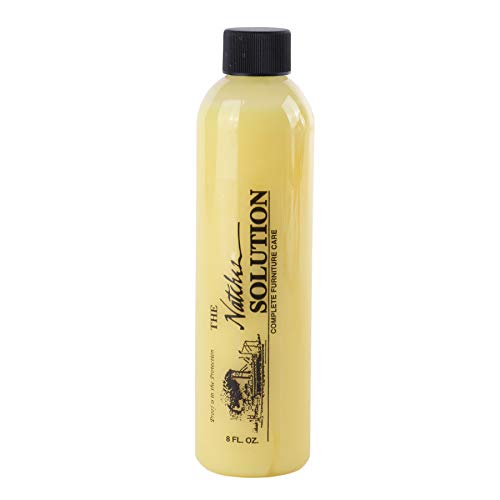
Natchez Solution Complete Furniture Care: All Natural Wood Cleaner and Polish- Replenishes and Restores Wooden Furniture (8 oz)
Hypoallergenic & safe
As an affiliate, we earn on qualifying purchases.
As an affiliate, we earn on qualifying purchases.
Frequently Asked Questions
How Do Material Choices Influence Architectural Authenticity?
Your material choices directly influence architectural authenticity by emphasizing material symbolism and enhancing sensory experience. When you select natural materials like wood and stone, you create a genuine connection to tradition and environment, reinforcing the building’s true character. Steel, on the other hand, offers modern strength and sleekness. By thoughtfully choosing and exposing these materials, you communicate honesty in design, allowing users to experience the space authentically and intuitively.
Can Mixed Materials Compromise Design Integrity?
Mixed materials can jeopardize design integrity if you neglect material compatibility and aesthetic harmony. When you combine incompatible textures or finishes, the overall look may feel disjointed or unbalanced. To avoid this, guarantee the materials complement each other in style and function. Thoughtful integration enhances your design’s authenticity, creating a cohesive space that respects each material’s unique qualities while contributing to a unified aesthetic harmony.
What Maintenance Is Required for Exposed Natural Materials?
Think of your exposed natural materials as living entities needing care. You should regularly apply weatherproofing essentials to protect against moisture, sun, and temperature changes. Follow cleaning protocols suited for each material—gentle washes for wood, rust prevention for steel, and sealing for stone—to maintain their integrity. By nurturing these elements, you guarantee their beauty endures, symbolizing resilience and harmony in your design, year after year.
Are There Sustainable Options for Traditional Building Materials?
You can choose sustainable options like recyclable materials and bio-based options for traditional building materials. Recyclable options, such as steel and certain woods, reduce waste and support circular economies. Bio-based materials, like hempcrete or bamboo, offer renewable, eco-friendly alternatives that lower environmental impact. By selecting these sustainable choices, you help conserve resources and promote greener construction practices without sacrificing quality or durability.
How Do Material Costs Impact Project Budgets?
Material costs directly impact your project budgets, as fluctuations in material prices can cause unexpected expenses. You need to stay aware of material price fluctuations and factor them into your planning. Relying on supplier reliability guarantees consistent pricing and timely deliveries, preventing delays and budget overruns. By choosing dependable suppliers and monitoring market trends, you can better manage costs and keep your project on track financially.

OULYDEKO 5PCS Rusty Birds Decoration,Outdoor Bird Wall Decor,Metal Birds Yard Decor, Metal Birds Craft Statue Ornaments – Garden Sculptures and Yard Art, Fence Decorations Outdoor,Rustic Garden Decor
【Metal Raven】A set of 5 metal birds, each bird has a different shape. It is designed based on…
As an affiliate, we earn on qualifying purchases.
As an affiliate, we earn on qualifying purchases.
Conclusion
As you stand before these materials—wood, steel, and stone—you see their truths shining through. Wood’s warmth whispers stories of nature’s gentle touch; steel’s strength echoes resilience; stone’s solidity reminds you of timeless endurance. Embrace their honesty, letting each one symbolize authenticity in your life. Like these elements, stay true to your core, standing firm and genuine. In their honesty, find the strength to build something lasting, something real.

Weiman Granite & Stone Sealer Spray – Protects Kitchen Countertops, Sinks, Showers, Vanities & Floors From Stains – For Granite, Quartz, Marble, Tile, Limestone, Slate – Water Based, 24 oz
SEAL & PROTECT YOUR VALUED STONE SURFACES: Keep your countertops and natural stone surfaces looking like new by…
As an affiliate, we earn on qualifying purchases.
As an affiliate, we earn on qualifying purchases.

vidaXL Vintage Cabinet Multicolor Reclaimed Solid Wood Compact Durable
【Stable & Sustainable Construction】: Crafted from reclaimed wood, this end table offers exceptional stability and durability while supporting…
As an affiliate, we earn on qualifying purchases.
As an affiliate, we earn on qualifying purchases.