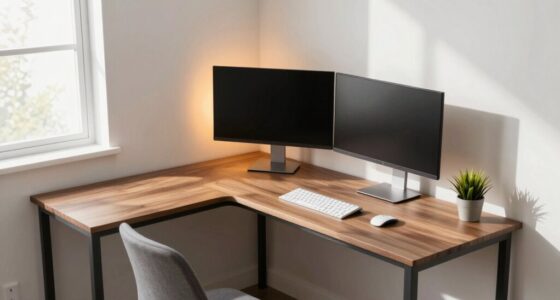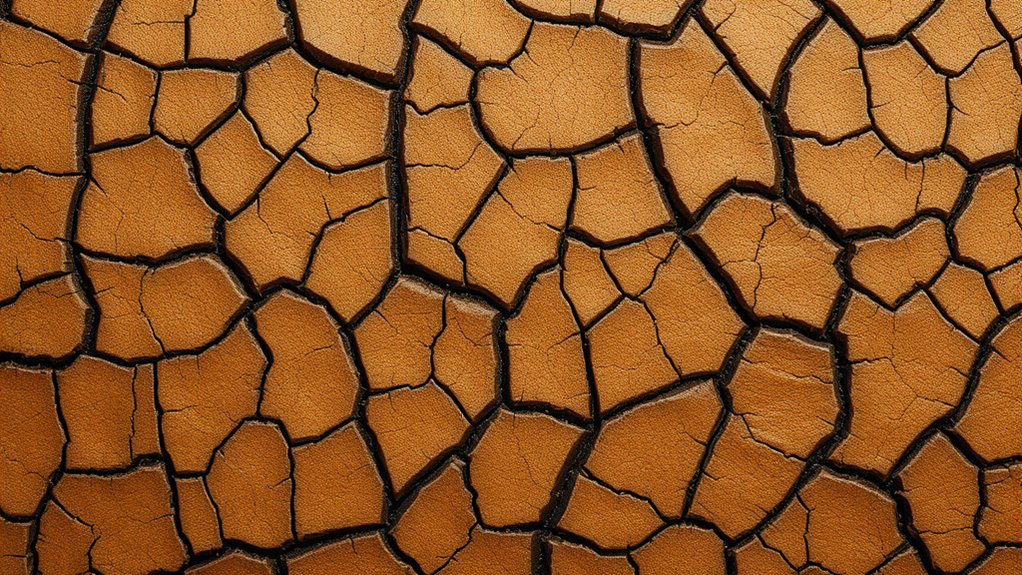
Choosing textures over patterns creates a subtle, inviting environment that sparks quiet interest and sensory engagement. By layering tactile fabrics like plush velvet, soft linen, and woven wool, you add depth and richness without visual clutter. Incorporating tactile contrasts—smooth with rough, matte with gloss—enhances ambient warmth and sophistication. This approach encourages natural interaction and a soothing atmosphere. Want to discover how to craft spaces that balance tactile charm and understated elegance? Keep exploring to find out more.
Key Takeaways
- Texture creates warmth and tactile interest, fostering a welcoming, sensory-rich environment that encourages interaction.
- Combining subtle textured elements enhances depth without overwhelming, maintaining an elegant, understated aesthetic.
- Tactile contrast between materials adds visual and sensory complexity, enriching ambiance through nuanced details.
- Prioritizing texture over bold patterns reduces visual clutter, promoting a layered yet calm space.
- Textural choices influence ambiance by engaging senses, resulting in inviting interiors that feel comfortable and refined.
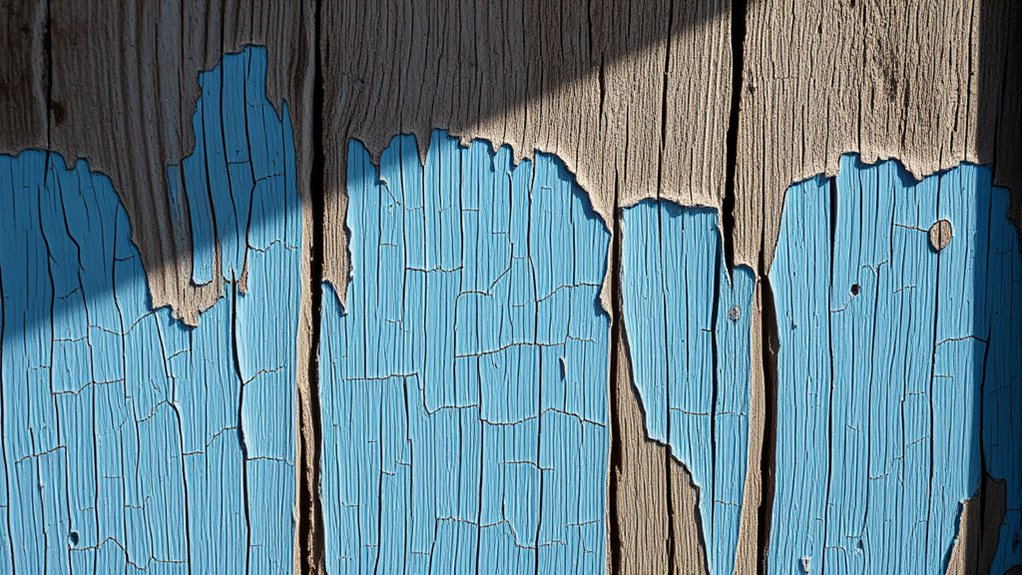
Have you ever wondered why some designs feel more inviting than others? Often, it’s the subtle interplay of texture that draws you in, creating a sense of warmth and comfort without overwhelming the senses. In design, texture over pattern emphasizes quiet interest, relying on tactile elements to craft a space that feels both refined and approachable. When you prioritize texture, you shift the focus from bold patterns to the nuanced details created by different fabric choices and tactile contrast. This approach encourages you to appreciate the sensory experience of a room, inviting touch and interaction rather than just visual appeal.
Your fabric choices play a vital role in establishing this quiet interest. Think about how a plush velvet sofa, a soft linen throw, or a woven wool rug instantly add depth to a space. These textures create a layered effect that invites exploration. Instead of cluttering a room with busy patterns, you select materials that have their own story to tell through touch. The richness of a textured fabric can subtly enhance the design without competing for attention. It’s about creating a balance where each element complements the other through tactile contrast, adding complexity and interest without overwhelming the eye.
Tactile contrast is your secret weapon in achieving a sophisticated, understated look. When you combine different textures—such as smooth silk with rough burlap, or matte ceramics alongside glossy metals—you develop a visual and tactile dialogue that adds dimension. This contrast doesn’t need to be loud or obvious; it can be as simple as layering a textured throw over a sleek armchair or mixing matte and shiny finishes in accessories. The key is to let these contrasts speak softly, enriching the space without dominating it. This subtle interplay invites you to engage with the environment more deeply, encouraging a sensory connection that feels natural and unforced. Additionally, understanding how tactile textures influence ambiance can help you design a space that truly resonates on a sensory level.
Frequently Asked Questions
How Do I Choose Between Texture and Pattern for My Space?
You should choose texture over pattern when you want to create tactile contrast and visual depth in your space. Texture adds subtle interest and warmth without overwhelming the room, making it feel cozy and inviting. Patterns can be lively, but they may compete for attention. Opt for texture if you prefer a calm, sophisticated look that invites touch and adds dimension, while patterns work better for bold, energetic statements.
Can Textures Be Combined Without Overwhelming a Room?
Yes, textures can be combined without overwhelming a room by layering textures thoughtfully and balancing visual weight. Use a mix of soft and rough textures, like a plush rug with sleek leather furniture, to create quiet interest. Keep larger pieces simple, and add interest through smaller textured accents. This approach guarantees the space feels inviting and dynamic without feeling cluttered or chaotic.
What Materials Create the Most Interesting Textures?
You should consider materials with rich texture like velvet, leather, woven rattan, and rough-hewn wood, as they create mesmerizing tactile contrast. Mixing these materials adds variety and visual interest without overwhelming your space. By thoughtfully combining different textures, you bring depth and subtle intrigue, allowing your room to feel inviting yet sophisticated. Embrace material variety to craft a balanced, layered look that captures quiet interest through tactile contrast.
How Does Lighting Affect the Perception of Texture?
Lighting transforms how you see texture, much like a painter’s brush revealing depth. It affects perception through light-shadow interplay and surface reflectivity, emphasizing subtle details or smoothing surfaces. Bright light highlights roughness, while softer lighting creates gentle shadows, adding quiet interest. When you adjust lighting, you control the visual conversation, making textures appear more tactile or subdued, guiding your eye to appreciate intricate surface qualities or a calm, uniform look.
Are There Specific Color Schemes That Enhance Textured Surfaces?
You can enhance textured surfaces with carefully chosen color schemes. Opt for harmonious color palettes that complement the texture, creating a subtle, unified look. Contrasting palettes, on the other hand, make textures pop by emphasizing differences in surface qualities. By balancing these approaches, you draw quiet interest to textures without overwhelming the senses, allowing the tactile qualities to shine through and add depth to your space.
Conclusion
By choosing texture over pattern, you create a space that feels inviting and layered without overwhelming. Imagine redesigning a living room with rich, tactile fabrics on your sofa and textured rugs, instead of busy patterns. This subtle approach invites curiosity and comfort, encouraging lingering touches and visual interest. When you prioritize texture, you craft a serene environment where every detail invites closer inspection—turning your space into a quiet, mesmerizing sanctuary.