

To start values-based decluttering, identify your core motivations—your “why”—by reflecting on what truly matters to you. Recognize emotional attachments and question whether items align with your current beliefs, like sustainability or minimalism. This awareness helps you make intentional choices, letting go of clutter while honoring your values. When you understand your underlying purpose, decluttering becomes more meaningful. Keep exploring to uncover how connecting with your core principles can transform your space and mindset.
Key Takeaways
- Clarify your core values to guide decluttering decisions intentionally and meaningfully.
- Reflect on why each item is kept, considering emotional attachment and personal significance.
- Use values like sustainability and minimalism to prioritize what truly aligns with your life principles.
- Recognize emotional ties to possessions to make honest, informed choices about letting go.
- Aligning possessions with your “why” fosters purpose, reduces clutter, and creates a space that reflects your authentic self.

Many people find that clutter accumulates not just from forgetfulness but from holding onto items that no longer align with their core values. When you keep things out of emotional attachment, it often becomes a barrier to creating a space that truly reflects what matters most to you. Recognizing this is the first step in a values-based decluttering process. It’s not just about throwing things away; it’s about understanding why you hold onto certain items and how those possessions fit into your larger life principles. When your decisions are driven by your values, decluttering becomes more intentional and meaningful. For example, if sustainability is a value you uphold, you might choose to donate or repurpose items instead of discarding them. If minimalism is important to you, you’ll likely find it easier to part with possessions that no longer serve your current lifestyle. This process requires honesty and self-awareness. You may find that some items are hard to let go of because they symbolize a particular time in your life or hold sentimental value. It’s okay to honor those feelings, but it’s equally important to evaluate whether keeping these items aligns with your present values. Understanding the emotional attachment to possessions can help you make more conscious decisions and foster a sense of intentionality in your decluttering journey.
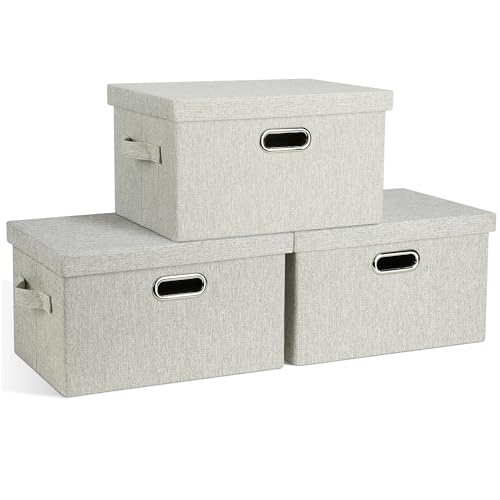
Graciadeco Medium 15" 21 Quart Collapsible Stackable Storage Bins with Lids, 3 Packs Beige Foldable Fabric Closet Boxes Heavy-duty Linen Cube Baskets Container for Bedroom Office (15 x 11 x 8)
✅[Sturdy and Stackable] The storage bins with lids are consist of heavy-duty thick hard cardboards with a solid…
As an affiliate, we earn on qualifying purchases.
As an affiliate, we earn on qualifying purchases.
Frequently Asked Questions
How Do I Identify My Core Personal Values?
To identify your core personal values, start with personal reflection by asking yourself what truly matters most in your life. Think about moments when you felt fulfilled or proud—these highlight your values. Look for patterns that reveal what aligns with your authentic self. By understanding your core values, you can guarantee your decisions and environment reflect genuine value alignment, leading to a more meaningful and intentional life.
Can Values-Based Decluttering Work for All Personality Types?
A wise man once said, “Different strokes for different folks.” Values-based decluttering can work for all personality types, but you might face unique decluttering challenges depending on yours. Your personality compatibility influences how you approach letting go of items, making some methods easier or harder. By customizing your decluttering process to fit your personality, you guarantee it’s effective and sustainable, turning chaos into clarity.
What if My Values Change Over Time?
If your values change over time, you can practice flexible decluttering by regularly revisiting and updating your core principles. Evolving values mean your priorities shift, so it’s okay to re-evaluate what items truly reflect who you are now. Stay mindful of these changes, and adjust your decluttering process accordingly, ensuring your space continues to align with your current beliefs and lifestyle. This keeps your environment meaningful and authentic.
How Do I Handle Sentimental Items That Conflict With My Values?
When you face sentimental items that conflict with your current values, acknowledge your emotional attachment but prioritize your well-being. You can preserve meaningful memories by taking photos or creating a memory book instead of keeping every item. If the value conflict feels overwhelming, consider gently letting go of items that no longer align with who you are now. This helps you honor your past while embracing your present and future.
Is Professional Help Necessary for Effective Decluttering?
You don’t necessarily need a professional organizer or expert in clutter psychology to declutter effectively, but they can make a big difference. If you feel overwhelmed, struggle to stay motivated, or can’t decide what to keep, seeking professional help can provide clarity, structure, and support. A professional can help uncover the emotional roots of your clutter, making your decluttering journey smoother, faster, and more aligned with your values.

The Joy of Less: A Minimalist Guide to Declutter, Organize, and Simplify – Updated and Revised (Minimalism Books, Home Organization Books, Decluttering Books House Cleaning Books)
As an affiliate, we earn on qualifying purchases.
As an affiliate, we earn on qualifying purchases.
Conclusion
By focusing on your core values, you’ll find it easier to let go of items that no longer serve your purpose. Remember, studies show that people who declutter based on their values experience a 20% increase in overall happiness. So, start with your why, and let your belongings reflect what truly matters most to you. This approach not only clears space but also brings clarity and joy into your life.

The Sentimental Person's Guide to Decluttering
As an affiliate, we earn on qualifying purchases.
As an affiliate, we earn on qualifying purchases.

The Empowering ADHD Workbook for Women: Evidence-based techniques and actionable tools to improve executive function, relationships, self-esteem, and emotional regulation
As an affiliate, we earn on qualifying purchases.
As an affiliate, we earn on qualifying purchases.