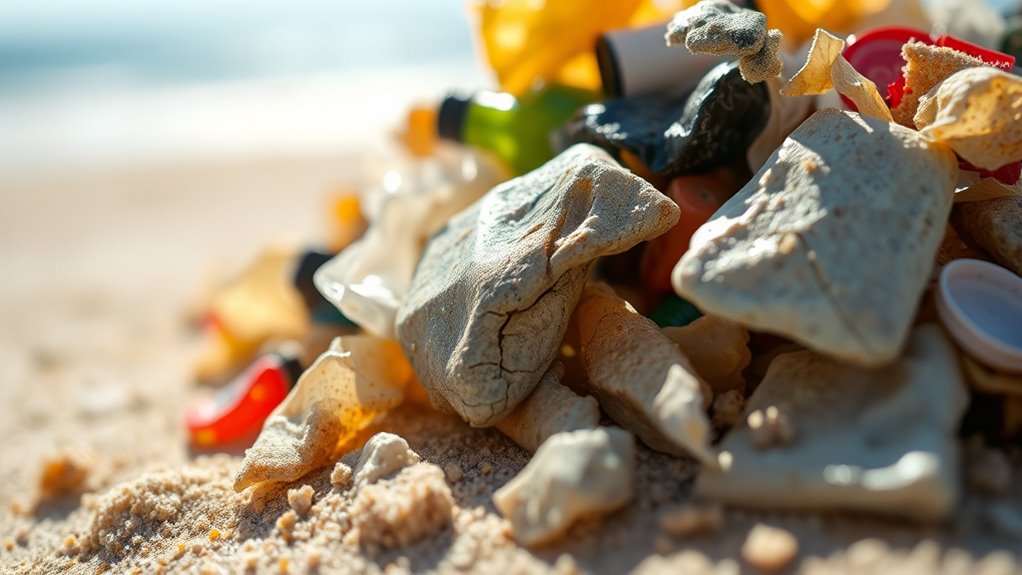

Biodegradable plastics are designed to break down naturally, but their environmental impact depends on proper disposal and conditions like temperature, humidity, and oxygen. Not all biodegradables decompose quickly or completely outside industrial composting facilities, and some can fragment into microplastics, harming ecosystems. Misunderstanding their capabilities often leads to pollution or contamination. To truly understand how these plastics work and how to use them responsibly, it’s important to explore their types, conditions needed, and common misconceptions.
Key Takeaways
- Not all biodegradable plastics break down quickly or completely without specific industrial conditions.
- Many biodegradable plastics, especially oxo-bio types, fragment into microplastics, potentially harming ecosystems.
- Proper disposal, such as industrial composting, is essential for biodegradable plastics to decompose effectively.
- Misconceptions exist that biodegradable plastics are a universal solution; their environmental benefits depend on proper handling.
- Contamination in recycling streams from biodegradable plastics can hinder waste processing and environmental safety.
What Does “Biodegradable” Really Mean?
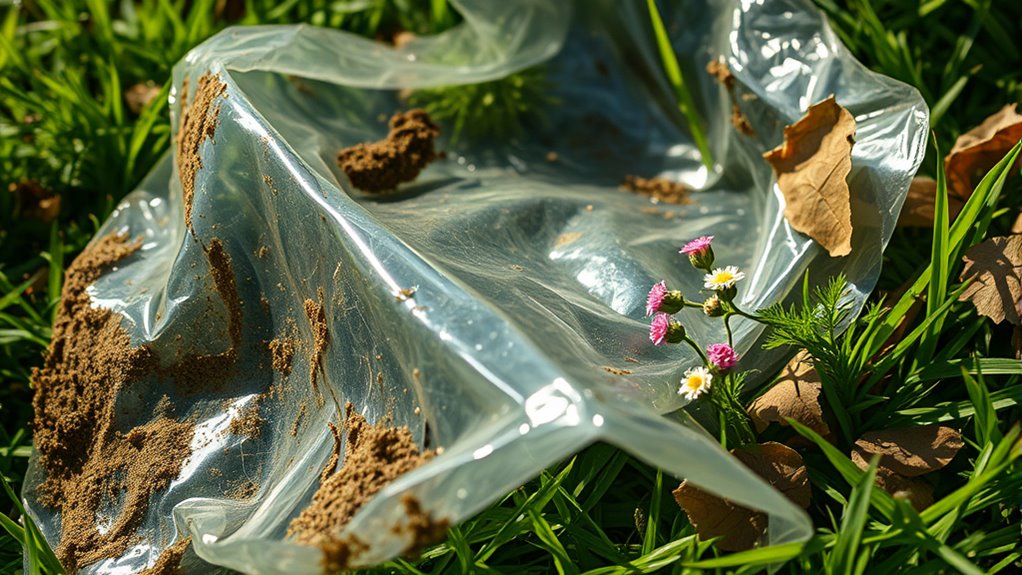
Have you ever wondered what “biodegradable” truly means? It’s more than just a buzzword. Biodegradable plastics are designed to break down naturally by microorganisms, but that process isn’t always straightforward. In marine environments, biodegradable plastics can still contribute to marine pollution if they don’t degrade quickly enough, harming marine life. Additionally, degradation rates vary widely depending on environmental conditions, making it difficult to predict how quickly these plastics will break down in real-world settings. Furthermore, the recycling challenges associated with biodegradable plastics mean many are not accepted in standard recycling streams, leading to contamination or waste. This environmental impact highlights the importance of understanding the full lifecycle of these materials. Environmental conditions, such as temperature and microbial activity, play a crucial role in biodegradation processes, which can differ significantly from laboratory settings. This confusion can result in biodegradable plastics ending up in landfills or the ocean instead of breaking down safely. While they promise an eco-friendly alternative, understanding what “biodegradable” actually entails helps you make smarter choices and avoid inadvertently contributing to pollution.
Types of Biodegradable Plastics and How They Differ

You’ll notice that not all biodegradable plastics are the same; some are compostable, breaking down in industrial facilities, while others, like oxo-bio plastics, degrade faster with exposure to oxygen. Bioplastics made from plants, such as corn or sugarcane, offer another option, often designed to be more sustainable. Understanding these differences helps you choose the right type for your environmental impact. Additionally, biodegradable plastics classification can help you better understand the terminology used when discussing different types of biodegradable plastics and their properties. Recognizing the environmental benefits of biodegradable plastics can further guide consumers toward more eco-friendly choices.
Compostable vs. Oxo-Bio
When comparing biodegradable plastics, it’s important to understand the key differences between compostable and oxo-bio types. Compostable plastics break down into natural elements in industrial composting facilities within a specific timeframe, leaving no harmful residue. They can help reduce marine debris by degrading more quickly in the environment. Oxo-bio plastics, on the other hand, contain additives that accelerate breakdown, but they often fragment into tiny plastic pieces, which can complicate recycling challenges and still contribute to marine debris. Unlike compostables, oxo-bio plastics may not fully biodegrade in natural conditions, posing risks to wildlife. Additionally, biodegradation processes vary depending on environmental conditions, influencing how effectively these plastics break down outside controlled settings. Understanding these differences helps you make more eco-conscious decisions. Diverse design options in biodegradable plastics can influence their environmental impact and usability, making informed choices important. Choosing the right type depends on disposal infrastructure and environmental impact, but neither offers a perfect solution to plastic pollution.
Bioplastics Derived From Plants
Bioplastics derived from plants are a promising alternative to traditional plastics because they naturally biodegrade and reduce reliance on fossil fuels. These bioplastics are primarily made from plant-based polymers, such as cornstarch, sugarcane, or cellulose, which are renewable resources. Unlike conventional plastics, plant-based polymers come from crops that can be grown repeatedly, making them more sustainable. They’re designed to break down more quickly in appropriate environments, minimizing environmental impact. You’ll find bioplastics derived from plants used in packaging, utensils, and even textiles. Their ability to originate from renewable resources helps lower greenhouse gas emissions during production. By choosing bioplastics from plants, you support eco-friendly options that align with efforts to reduce plastic pollution and dependency on finite fossil fuels. Additionally, self-watering plant pots made from biodegradable plastics exemplify how sustainable materials can be integrated into everyday items to promote environmental conservation. Environmental benefits of plant-based bioplastics include reduced carbon footprint and decreased reliance on non-renewable resources. Furthermore, advancements in biodegradation technology are improving how quickly and completely these plastics break down in various environments. An increased focus on dog breeds like the Black Golden Retriever and Golden Dachshund can inspire more environmentally conscious choices in pet products, encouraging sustainable materials in pet accessories and supplies.
Conditions Needed for Proper Decomposition

To guarantee biodegradable plastics break down properly, specific conditions must be met. You need to take into account industrial composting requirements, such as the right temperature and humidity levels. These factors directly influence how quickly and completely the plastics decompose. Additionally, glycolic acid products can play a role in enhancing the biodegradation process when used appropriately in composting environments. Incorporating exfoliating agents like glycolic acid may help break down plastic materials more efficiently by promoting microbial activity. Understanding the role of fathers in nurturing environmental responsibility can also inspire better practices for sustainable living and waste management.
Industrial Composting Requirements
What conditions are necessary for biodegradable plastics to break down effectively in industrial composting facilities? Proper decomposition depends on specific industrial processes that create ideal conditions. First, waste segregation is vital; separating biodegradable plastics from other waste ensures they receive proper attention. Second, the composting environment must be oxygen-rich, allowing microbes to thrive and accelerate breakdown. Third, the composting process needs consistent, controlled conditions to prevent contamination and promote biodegradation. If these steps aren’t followed, plastics may persist, undermining their environmental benefits. By understanding and maintaining these industrial composting requirements, you can guarantee biodegradable plastics truly decompose and contribute to a healthier planet. Without strict waste segregation and optimized processes, biodegradability remains an unfulfilled promise.
Temperature and Humidity Levels
Proper temperature and humidity levels are essential for the effective breakdown of biodegradable plastics in industrial composting. Maintaining consistent temperature prevents fluctuations that can slow or halt decomposition. Humidity effects are equally critical; too little moisture stalls microbial activity, while excess moisture can cause anaerobic conditions. To optimize breakdown, compost piles should stay between 55°C and 65°C, with humidity around 50-60%. Here’s a quick guide:
| Condition | Effect on Decomposition |
|---|---|
| Temperature fluctuations | Slow or uneven breakdown |
| Low humidity | Microbial activity decreases |
| High humidity | Risk of anaerobic conditions |
| Stable conditions | Faster, more complete decomposition |
Monitoring these factors ensures biodegradable plastics break down efficiently.
Timeframe for Breakdown
Achieving efficient breakdown of biodegradable plastics depends heavily on maintaining ideal conditions over a specific timeframe. Without proper environmental factors, these plastics can persist, contributing to plastic pollution and recycling challenges.
- Optimal conditions must last long enough—sometimes months or years—for microbes to fully decompose the material.
- Temperature and humidity need to stay consistent; fluctuations slow down the process and may leave plastics lingering in landfills.
- Proper disposal is vital—if biodegradable plastics end up in regular trash or recycling streams, they often won’t break down properly, worsening plastic pollution.
Understanding this timeframe highlights why biodegradable plastics aren’t a quick fix and emphasizes the importance of responsible disposal to truly reduce environmental impact.
Environmental Impact: Benefits and Challenges

Have you ever wondered how biodegradable plastics impact the environment? They can reduce pollution and lessen landfill waste, but they also present recycling challenges. Proper disposal is vital; if not managed correctly, they may still contribute to pollution. These plastics break down faster than traditional ones, helping to lower long-term environmental harm. However, their degradation depends on specific conditions that aren’t always available. Here’s a quick look at their impact:
| Benefit | Challenge | Impact on Environment |
|---|---|---|
| Pollution reduction | Recycling challenges | Less long-term waste |
| Faster breakdown | Contamination risks | Potential microplastic formation |
| Reduced landfill volume | Need for specialized facilities | Environmentally friendly if managed properly |
The Role of Microorganisms in Breaking Down Plastics
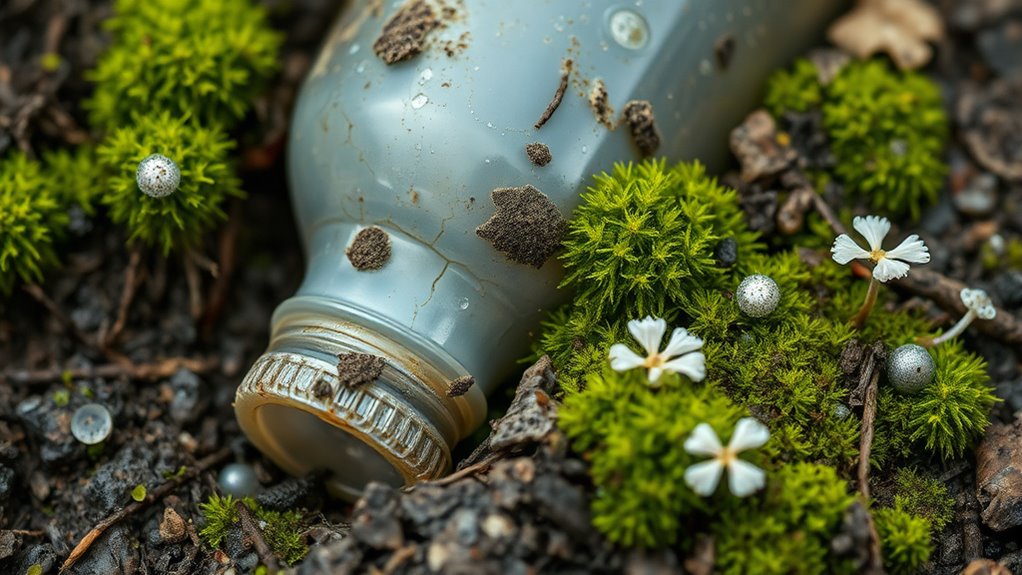
Microorganisms play a essential role in breaking down biodegradable plastics by secreting enzymes that fragment polymer chains into smaller, manageable molecules. These microbial enzymes enable efficient plastic degradation, transforming plastics into harmless substances. When microbe populations thrive, they accelerate the breakdown process, reducing environmental pollution. You can feel hopeful knowing that nature’s tiny workers are actively combating plastic waste.
Microorganisms secrete enzymes that efficiently break down biodegradable plastics, transforming waste into harmless substances and reducing pollution.
- They open the potential of microbial enzymes, turning stubborn plastics into compostable material.
- Their efforts can restore ecosystems harmed by persistent plastic pollution.
- You contribute to this process by supporting biodegradable plastics that attract beneficial microorganisms.
Understanding microbial enzymes and plastic degradation helps you see how biology fights back against pollution, offering a real path toward cleaner environments.
Common Misconceptions and Marketing Myths

Many people believe that biodegradable plastics automatically break down quickly and completely in any environment, but this is a common misconception. In reality, these plastics often require specific conditions, like industrial composting, to degrade properly. Outside those environments, they can persist much like traditional plastics, contributing to plastic pollution. This misunderstanding fuels marketing myths that suggest biodegradable plastics are a catch-all solution, leading consumers to overlook recycling challenges and proper disposal methods. Instead of reducing waste, improper disposal of biodegradable plastics can exacerbate plastic pollution problems, especially when they end up in landfills or oceans. It’s important to recognize that biodegradable does not mean instant breakdown everywhere, and misconceptions can hinder effective waste management efforts.
How Consumers Can Make Informed Choices
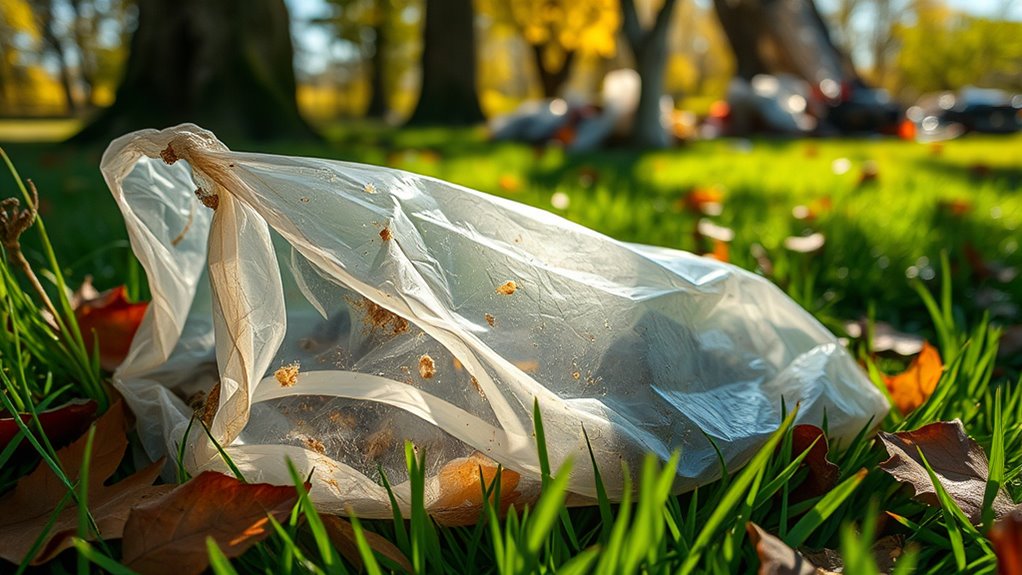
How can you guarantee you’re making environmentally responsible choices when it comes to biodegradable plastics? Start by examining packaging labels carefully—they often reveal if the product is truly biodegradable or just marketing hype. Educate yourself on proper recycling practices; improper disposal can cause more harm than good. To make a real impact, consider these steps:
- Verify labels—look for clear certifications indicating compostability or biodegradability.
- Research brands—choose companies committed to sustainable packaging and responsible waste management.
- Reduce reliance—opt for reusable alternatives whenever possible, minimizing waste altogether.
Frequently Asked Questions
Are Biodegradable Plastics Suitable for All Recycling Programs?
You might wonder if biodegradable plastics fit into all recycling programs. The truth is, their recycling compatibility varies, and not all facilities accept them. Incompatible plastics can contaminate recycling streams, reducing environmental impact benefits. Always check your local recycling guidelines before disposal. Proper sorting guarantees these plastics don’t hinder recycling processes and helps protect the environment by reducing waste and promoting sustainable waste management practices.
How Long Does It Take for Biodegradable Plastics to Decompose?
Imagine a plastic bag left in the wild, slowly breaking down. The decomposition timeline varies, often taking anywhere from a few months to several years, depending on conditions. As you consider its environmental impact, remember that faster breakdown isn’t always better if it releases harmful substances. Understanding this helps you gauge how biodegradable plastics fit into sustainable practices, balancing convenience with ecological responsibility.
Can Biodegradable Plastics Be Harmful to Wildlife During Degradation?
You may wonder if biodegradable plastics harm wildlife during degradation. While designed to break down faster, they can still pose risks like wildlife ingestion, where animals mistake them for food, or habitat contamination, affecting ecosystems. If not properly managed, these plastics can linger and cause harm. It’s essential to handle biodegradable plastics responsibly, ensuring they degrade safely and don’t end up harming wildlife or contaminating habitats.
Do Biodegradable Plastics Require Industrial Composting Facilities?
You might wonder if biodegradable plastics need industrial composting facilities. The answer is often yes; many require controlled conditions found only in industrial composting to break down properly. Without these facilities, biodegradable plastics may persist, negatively impacting the environment. Relying on industrial composting helps minimize environmental impact by ensuring plastics degrade efficiently, preventing litter and harm to wildlife. So, understanding this helps you make eco-conscious choices about using biodegradable plastics.
Are There Any Health Risks Associated With Biodegradable Plastic Breakdown Products?
You might wonder if biodegradable plastics pose health risks as they break down. While generally considered safe, some breakdown products could leave behind toxic residues, especially if the plastics contain certain chemicals. These residues might pose health risks if ingested or come into contact with skin. To minimize potential issues, it’s best to choose biodegradable plastics verified by rigorous testing and avoid products with questionable additives.
Conclusion
So, next time you toss that “biodegradable” plastic into the bin, remember you’re playing a game of hide-and-seek with Mother Nature—sometimes she wins, sometimes she doesn’t. While these plastics promise salvation, they often just delay the inevitable. Maybe it’s time to question the marketing hype and embrace truly sustainable habits. After all, if we can’t trust labels, we might as well trust that Mother Earth’s patience is wearing thin.