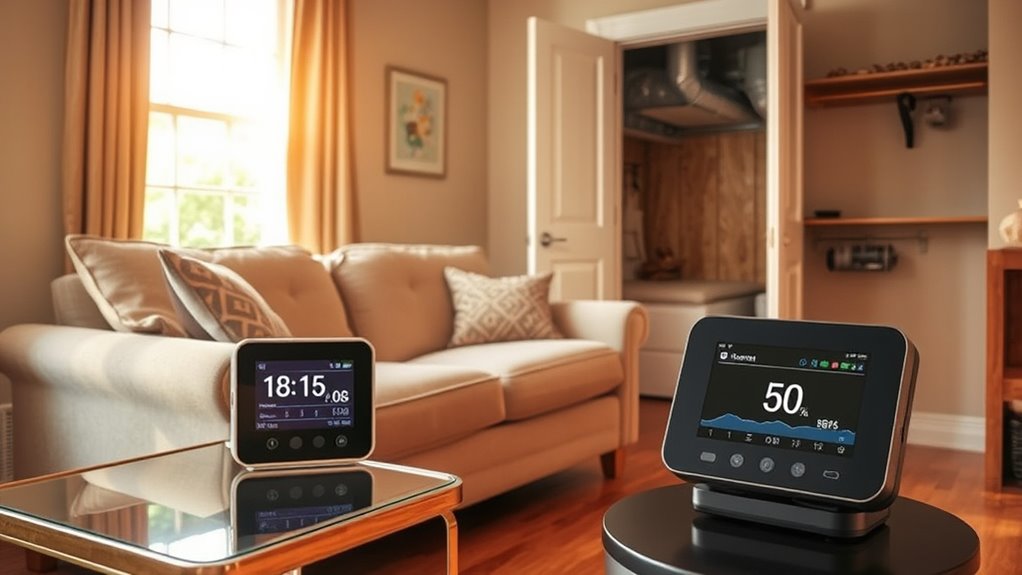

Start your room-by-room home energy audit by inspecting each space carefully. Check for drafts around windows and doors using a candle or incense stick, and seal any gaps with weatherstripping or caulk. Look inside attics and behind outlets to assess insulation levels, and note areas with uneven temperatures. Also, evaluate appliances and HVAC systems for signs of inefficiency. Taking these steps can reveal opportunities to improve comfort and save energy, so keep exploring to learn more tips and tricks.
Key Takeaways
- Inspect each room for drafts, gaps around windows and doors, and signs of poor insulation using a flashlight or incense stick.
- Check heating and cooling vents, filters, and ductwork for cleanliness and proper operation to ensure system efficiency.
- Evaluate appliances in each room for age, efficiency labels, and signs of malfunction; replace outdated units if necessary.
- Examine attic and wall spaces for insulation adequacy, adding or upgrading insulation where needed to improve energy retention.
- Conduct a comprehensive room-by-room assessment to identify energy leaks, insulation issues, and appliance inefficiencies for targeted improvements.
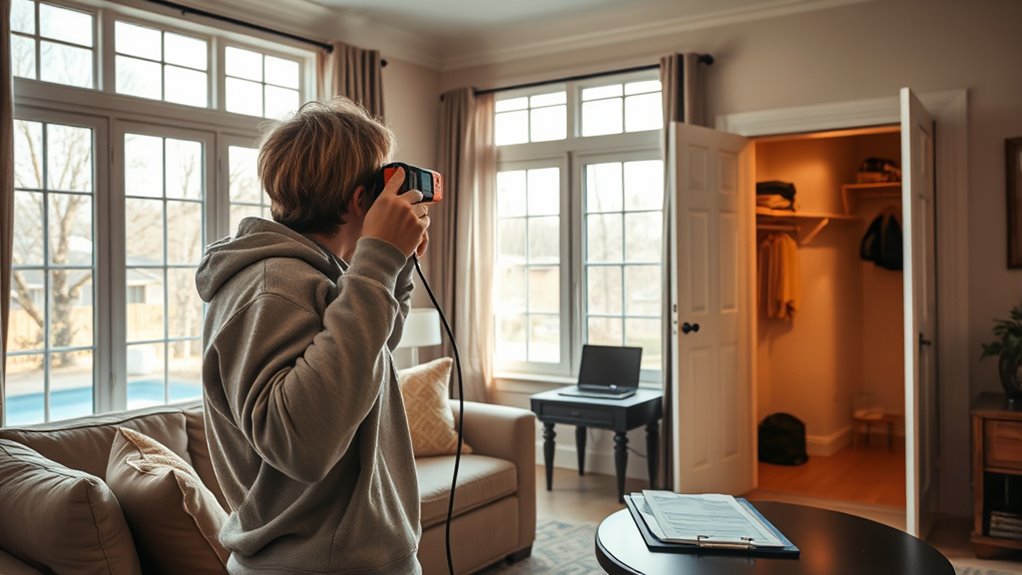
Have you ever wondered if your home is as energy-efficient as it could be? Conducting a room-by-room home energy audit is a great way to find out. Start by focusing on your insulation inspection. Proper insulation keeps your home warm in winter and cool in summer, but over time, it can settle or get damaged. Walk through each room and look for signs of inadequate insulation, like drafts, uneven temperatures, or visible gaps around windows and doors. Use a flashlight to peek into attic spaces and behind electrical outlets to check if insulation is present and sufficient. If you notice any areas lacking insulation or suspect it’s degraded, consider upgrading or adding more. Improving insulation in problem areas can considerably reduce heat loss, lowering your energy bills and increasing comfort. Additionally, local energy standards can guide you on recommended insulation levels for your area, ensuring optimal efficiency.
Conduct a room-by-room home energy audit to identify insulation gaps and boost efficiency.
Next, turn your attention to appliance efficiency. Many appliances work harder than they need to, wasting energy and driving up costs. Check how old your refrigerator, dishwasher, washer, dryer, and HVAC systems are. Older models tend to consume more power and may not operate efficiently. Look for energy labels like Energy Star, which indicate appliances meet energy-saving standards. When inspecting, note if appliances make unusual noises, leak water, or seem to run constantly, all signs they might be less efficient than newer counterparts. Replacing outdated appliances with energy-efficient models can lead to substantial savings over time. Additionally, ensure your appliances are used ideally: run full loads in dishwashers and laundry machines, and avoid leaving refrigerators and freezers open longer than necessary. These small adjustments can enhance appliance efficiency and reduce energy consumption.
While conducting the audit, also examine the condition of windows and doors. Drafts and air leaks around these openings often undermine insulation efforts. Use a candle or a lit incense stick near the edges to detect drafts—if the flame flickers or the smoke wavers, seal gaps with weatherstripping or caulk. Properly sealed windows and doors prevent unwanted air exchange, helping your insulation work more effectively. This not only keeps your home comfortable but also reduces the workload on your heating and cooling systems, further conserving energy.
Finally, don’t forget to evaluate your heating and cooling systems’ efficiency. Regular maintenance like filter changes and duct cleaning ensures your systems run smoothly. If your systems are outdated or inefficient, replacing them with newer, energy-efficient models can make a big difference. Combining these steps—insulation inspection, appliance efficiency checks, and sealing leaks—gives you a thorough view of your home’s energy performance. By identifying and addressing these key areas, you’re well on your way to reducing energy waste, lowering bills, and creating a more comfortable living environment.

Kenmore 30" Top Mount Refrigerator with Freezer – Adjustable Shelving, Humidity-Controlled Crispers, LED Lighting, ENERGY STAR Certified, Garage Ready, 18.1 cu. ft. Capacity – White
Spacious Yet Compact: This 30-inch, white refrigerator offers 18.1 cu. ft. of standard-depth storage space, giving you plenty…
As an affiliate, we earn on qualifying purchases.
As an affiliate, we earn on qualifying purchases.
Frequently Asked Questions
How Often Should I Conduct a Home Energy Audit?
You should conduct a home energy audit every 1 to 2 years to stay on top of energy saving tips and guarantee your home remains efficient. Regular audits help identify areas needing home maintenance, like leaks or insulation issues, saving you money and energy. Staying proactive allows you to implement improvements promptly, ensuring your home stays comfortable, efficient, and environmentally friendly over time.
Can I Perform a Home Energy Audit Myself?
Sure, you can totally perform a DIY assessment—who needs experts anyway? Just walk through your home, check for drafts, insulate where needed, and use energy-saving tips like sealing leaks and upgrading bulbs. It’s not rocket science, but it’ll save you money and boost efficiency. Just remember, a little effort now means less energy waste later, and maybe a little bragging rights for your eco-friendly skills!
What Tools Are Needed for a Comprehensive Audit?
To perform a thorough audit, you’ll need basic tools like a flashlight and a mirror for insulation inspection, a thermometer to check temperature differences, and a power meter for appliance assessment. A thermal camera can help identify heat leaks, and a blower door test can measure home airtightness. These tools allow you to spot energy losses, evaluate your appliances’ efficiency, and identify areas where you can improve insulation and reduce energy waste.
How Long Does a Home Energy Audit Typically Take?
You can expect a home energy audit to take anywhere from two to four hours, depending on your home’s size and the thoroughness of your inspection checklist. Ironically, despite the time, it’s worth every minute for energy saving tips. You’ll identify leaks, inefficiencies, and areas to improve, making your home more comfortable and cost-effective. So, grab some snacks, and enjoy the process of discovering how to save energy!
Are There Any Tax Incentives for Improving Home Energy Efficiency?
Yes, you can benefit from tax credits and rebate programs when improving your home’s energy efficiency. These incentives often cover upgrades like insulation, energy-efficient windows, and solar panel installations. By taking advantage of these programs, you reduce your overall costs and increase your home’s value. Be sure to check federal, state, and local sources for the latest qualifying projects and application procedures to maximize your savings.

Ninsula 33Ft Door Weather Stripping, (1/2in x 1/4in), Strong Adhesive, Sound Proof, Door Insulation, Weatherproof Foam Tape for Doors, Weatherstripping for Doors Frames, Windows
Extra Long Size: You'll get a 33FT door weather stripping (1/2in x 1/4in). Easy to install, no tools…
As an affiliate, we earn on qualifying purchases.
As an affiliate, we earn on qualifying purchases.
Conclusion
Now that you’ve started inspecting each room, imagine what you might discover—hidden leaks, drafts, or outdated insulation. Your home holds secrets that could be costing you more than you realize. But don’t stop here; the real savings—and comfort—await as you take action. Are you ready to uncover these surprises and make your home more efficient? The next step could transform your energy bills forever. The question is, are you prepared to find out?

Attic Stairway Insulation Cover – Premium Energy Saving Attic Stairs Door Ladder Insulator Pull Down Tent with Zipper 25 in x 54 in x 11In (Attic Cover)
【Attic Insulation Cover】Attic Door Insulation Cover works during the entire year, hot summers and cold winters; Creates a…
As an affiliate, we earn on qualifying purchases.
As an affiliate, we earn on qualifying purchases.
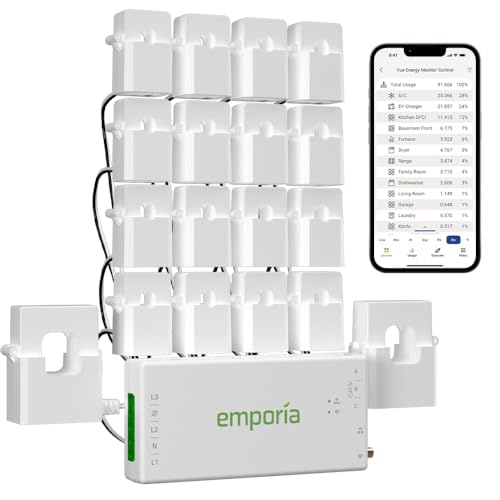
Emporia Vue 3 Home Energy Monitor – Smart Home Automation Module and Real Time Electricity Usage Monitor, Power Consumption Meter, Solar and Net Metering for UL Certified Safe Energy Monitoring
SAFETY YOU CAN TRUST WITH UL CERTIFICATION: With Emporia Energy, your home energy monitoring is safe, reliable, and…
As an affiliate, we earn on qualifying purchases.
As an affiliate, we earn on qualifying purchases.