
The EU has paused its green claims proposal to improve honesty and transparency in environmental marketing. This means that, for now, eco-labels and claims might not be as reliable as you’d like, since clearer standards are still being worked out. While some brands may continue to use green rhetoric, the delay aims to prevent misleading claims and protect consumers like you. If you want to understand how this could impact your choices, stay tuned for more details.
Key Takeaways
- The pause delays the implementation of stricter standards for eco-friendly marketing, affecting how green claims are verified.
- Consumers may continue to encounter unsubstantiated green labels until clearer regulations are established.
- The delay emphasizes the need for transparent supply chain data to trust environmental claims.
- Future regulations aim to improve transparency, helping shoppers distinguish genuine sustainability efforts from greenwashing.
- The pause signals ongoing regulatory complexities, but progress toward credible eco-label standards remains a priority.

Did you wonder why the EU has paused its green claims proposal? It’s because policymakers are grappling with how to guarantee that companies’ environmental claims are honest and verifiable. The goal was to create clear standards that companies would follow when marketing their products as eco-friendly or sustainable. But the pause signals a recognition that the proposal may need adjustments to better protect consumers and promote genuine sustainability efforts. As a shopper, this decision impacts how you interpret green labels and marketing messages. You want to trust that when a product claims to be eco-friendly, it truly is. That’s where supply chain transparency becomes vital. Without clear visibility into how products are made, it’s easy to be misled by vague or exaggerated claims. The EU’s delay suggests that regulators are cautious about rushing into a framework that might not effectively promote transparency or accountability. They aim to prevent greenwashing, where companies make false or misleading environmental claims just to attract more buyers. For you, this means that until the rules are finalized and enforced, some brands might continue using green rhetoric that isn’t fully substantiated. But it also means that future regulations could make it easier for consumers like you to distinguish genuine sustainable products from those that are just marketing tricks. The pause indicates a desire to get it right—balancing the need for stricter standards with the practical challenges companies face in verifying their supply chains. If supply chain transparency is improved, you’ll be better equipped to make informed choices. You’ll know which brands are genuinely committed to sustainability and which are just jumping on the green bandwagon. This, in turn, boosts consumer trust, a vital factor that influences your purchasing decisions. When you see consistent, credible eco-labels backed by transparent supply chain data, you’re more likely to favor brands that are accountable and sincere about their environmental impact. The EU’s move to pause doesn’t mean the end of progress but highlights the complexity of implementing effective green claims regulations. It underscores the importance of creating a framework that not only prevents greenwashing but also encourages companies to be more transparent about their sustainability practices. For you, this ongoing process means staying attentive to how brands communicate about their environmental efforts. As regulations evolve, expect more reliable information and clearer standards that help you shop more confidently, knowing that green claims are backed by real supply chain transparency and genuine commitments to sustainability. Additionally, regulatory standards play a crucial role in shaping how companies report their environmental impact.

FLEXISPOT E3 Solid Wood Dual Motor 71 x 30 Electric Standing Desk Sit Stand Desk, Holds 220 lbs, Adjustable Height w/Memory Presets, Butcher Block Rubberwood Desktop & Black Frame, Ships in 2 Boxes
【DURABLE RUBBER WOOD TOP】: Made from sustainable Hevea Solid Hardwood, this long-lasting, stain-resistant desk surface adds natural elegance...
As an affiliate, we earn on qualifying purchases.
Frequently Asked Questions
How Will the Pause Impact Existing Green Claims?
The pause might slow down enforcement of green claim accuracy and label consistency, so you could see less regulation oversight temporarily. This means some brands might not prioritize clear, truthful labels, making it harder for you to trust green claims. While existing green claims may stay, the lack of strict updates could lead to inconsistencies or exaggerations. Stay vigilant and check labels carefully to make sure you’re making eco-friendly choices.
Will Consumers See More Reliable Environmental Labels Soon?
Imagine a clear, steady compass guiding your choices—that’s what reliable environmental labels can be. While the pause might delay new standards, existing labels are likely to improve in accuracy over time, boosting your trust. You’ll see more trustworthy labels that help you make eco-friendly decisions confidently. As efforts continue, consumer trust grows, and the symbols you rely on become clearer, ensuring your shopping aligns with genuine sustainability.
Are There Alternatives to the EU Proposal for Green Claims?
Yes, there are alternatives to the EU proposal for green claims. You can look for certifications from trusted organizations or rely on independent third-party audits, which boost consumer trust. Brands are also adopting transparent marketing strategies by clearly explaining their eco-friendly efforts. These approaches help you make informed choices, even without a standardized regulation, ensuring you can trust the environmental claims made on products.
How Might This Pause Affect Companies’ Sustainability Commitments?
You might notice companies become less strict with their sustainability commitments, as the pause reduces pressure for corporate accountability. Without strict regulations, some firms could loosen their green claims, affecting consumer trust. This uncertainty may make it harder for you to verify genuine sustainability efforts. While some companies may continue to prioritize transparency, others might not feel compelled to uphold high standards without regulatory enforcement.
When Is the EU Likely to Resume or Revise the Proposal?
The EU is likely to resume or revise the proposal within the next year, as they work through regulatory hurdles to bolster market confidence. You should stay updated on official announcements, since delays could be caused by political debates or stakeholder concerns. Once resuming, the revised rules will aim to guarantee transparency and prevent greenwashing, helping you make more informed, trustworthy sustainability claims when shopping.
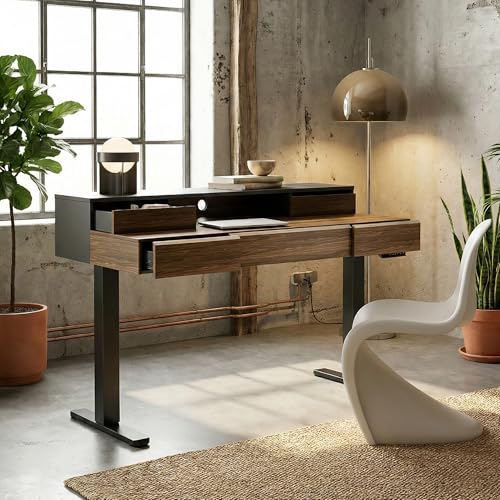
ErGear Electric Standing Desk with 5 Solid Wood Drawers, 48 x 26 Inches Whole Piece Desktop, with Desktop Riser Stand, Compatible with C-Clamp Monitor Arms, Modern Office Desk, Dark Walnut
Premium Electric Standing Desk with Solid Wood Drawers - Electric height adjustable standing desk offers smooth sit-to-stand transitions...
As an affiliate, we earn on qualifying purchases.
Conclusion
While the pause in the EU green claims proposal may feel like a setback, it’s a reminder that change often takes time. As a shopper, you should stay vigilant and informed, knowing that businesses may still stretch the truth. Keep your eyes peeled and don’t be afraid to ask questions—after all, actions speak louder than words. Patience is a virtue, but your awareness is your best tool in steering through these murky waters.
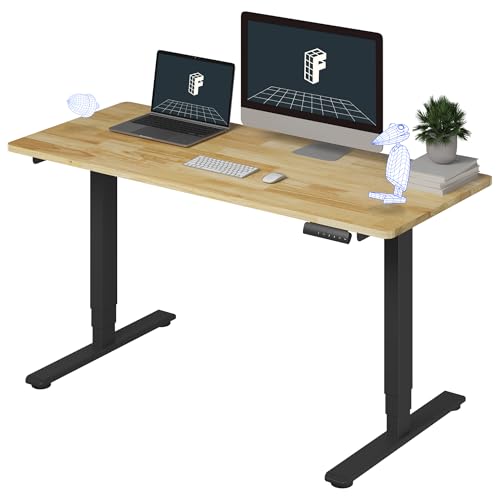
FlexiSpot E6 Solid Wood 3-Stage Dual Motor 55 x 24 Electric Standing Desk, Holds 220 lbs, Adjustable Height w/ Memory Presets, Butcher Block Rubberwood Desktop & Black Frame, Ships in 2 Boxes
【DURABLE RUBBER WOOD TOP】: Made from sustainable Hevea Solid Hardwood, this long-lasting, stain-resistant desk surface adds natural elegance...
As an affiliate, we earn on qualifying purchases.
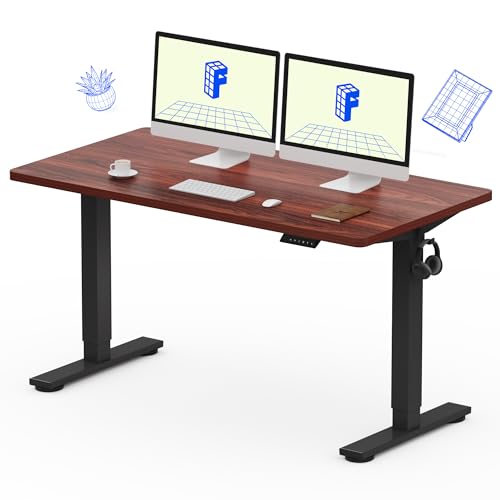
FLEXISPOT EN1 One-Piece Standing Desk with 1-Inch Thick Desktop, 55"x28" Electric Height Adjustable Desk for Home Office & Multi-Device Workstations, Mahogany
ONE-PIECE. ZERO WOBBLE: A seamless, rock-solid desktop built for home offices, creative studios, and designers running multi-monitor setups.
As an affiliate, we earn on qualifying purchases.