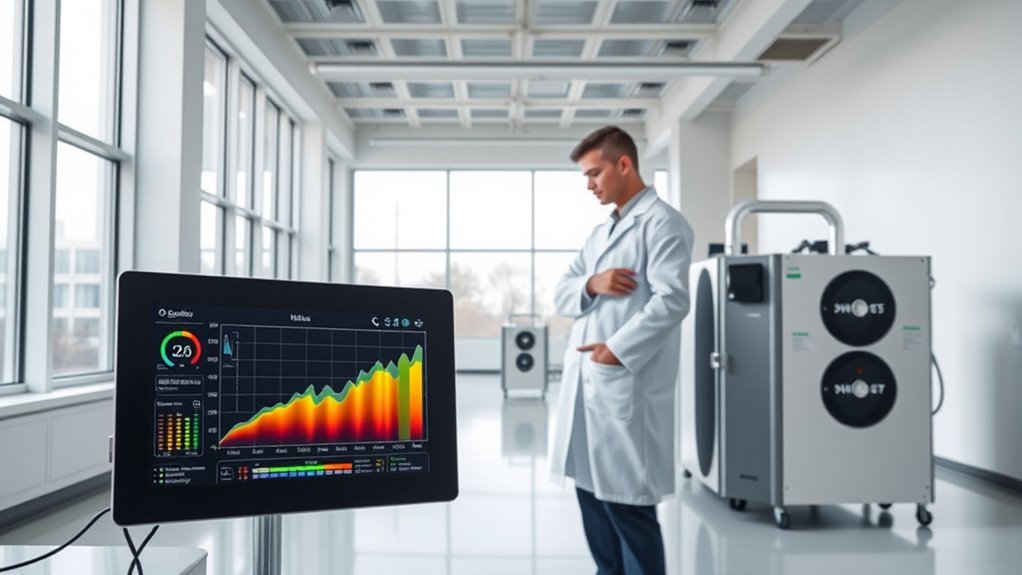

Indoor air quality standards are evolving to better protect your health and create safer, more comfortable indoor spaces. You need clear pollutant limits and effective filtration systems to prevent harmful particles from affecting your well-being. By understanding these standards, you can make smarter choices about air filtration and ventilation, ensuring cleaner air every day. Stay with us to discover how these advancements can help you achieve healthier indoor environments.

Get beauty and skincare favorites delivered free with Prime
- Fast, free delivery on millions of items
- Prime Video, Amazon Music and more included
- Member-only deals all year
Key Takeaways
- Emerging standards will incorporate real-time monitoring and smart technology for proactive indoor air quality management.
- Future guidelines may set stricter pollutant thresholds to address increasing health concerns from indoor contaminants.
- Integration of advanced filtration solutions, like HEPA and air purification systems, will be emphasized in new standards.
- Standards will likely expand to include VOCs, microbial agents, and chemical pollutants beyond particulate matter.
- Global collaboration aims to create unified, adaptable indoor air quality benchmarks for diverse environments.

Indoor air quality standards are essential guidelines designed to safeguard your health and guarantee a safe living or working environment. These standards set clear limits on the levels of pollutants in indoor spaces, helping you breathe cleaner air every day. At the core of maintaining good indoor air quality is effective air filtration, which plays a pivotal role in removing harmful particles and contaminants. Proper air filtration systems are designed to capture pollutants before they can reach your respiratory system, reducing symptoms of allergies, asthma, and other health issues. By adhering to established pollutant thresholds, these systems ensure that indoor environments stay within safe limits, preventing the buildup of dangerous substances like dust, mold spores, volatile organic compounds (VOCs), and airborne bacteria.
When it comes to air filtration, understanding pollutant thresholds is vital. These thresholds are the maximum allowable concentrations of specific pollutants in indoor air, determined by health experts and regulatory agencies. They serve as critical benchmarks for evaluating whether indoor environments are safe or require intervention. If pollutant levels exceed these thresholds, it indicates that your indoor air quality is compromised, and steps should be taken to improve filtration and ventilation. This might involve upgrading HVAC filters, installing air purifiers, or increasing ventilation rates. Recognizing the importance of these thresholds helps you make informed decisions about maintaining a healthy indoor environment, especially if you or your loved ones are sensitive to airborne irritants.
Standards also guide the design and operation of air filtration systems, ensuring they are effective enough to keep pollutant levels below these thresholds. For example, high-efficiency particulate air (HEPA) filters are rated to trap at least 99.97% of airborne particles as small as 0.3 microns, making them ideal for reducing particulate pollution. In addition, many standards specify the air change rate per hour or the minimum filtration efficiency needed for various indoor settings, whether it’s a home, office, or healthcare facility. These guidelines help you choose the right filtration solutions tailored to your specific environment, ensuring consistent air quality.
Ultimately, indoor air quality standards are about proactive management. They empower you to evaluate your indoor environment critically and take necessary actions to stay within safe pollutant thresholds. Understanding the role of air filtration and choosing appropriate systems can significantly impact your health and comfort. By prioritizing effective air filtration and adhering to these standards, you can considerably improve the quality of your indoor air, protect your health, and create a safer, more comfortable space for everyone. Keeping these standards in mind ensures that clean, healthy air isn’t just a goal but a consistent reality in your everyday life.
Frequently Asked Questions
How Do Indoor Air Quality Standards Vary Globally?
You’ll notice that indoor air quality standards vary globally based on pollutant regulation and ventilation requirements. Some countries enforce strict limits on pollutants like VOCs and particulate matter, while others have more lenient standards. Ventilation requirements also differ, impacting how buildings are designed to guarantee proper air exchange. These variations reflect differences in climate, health priorities, and regulatory frameworks, making it essential to comprehend local standards when addressing indoor air quality.
What Emerging Pollutants Are Influencing New Standards?
Like Pandora’s box opening, emerging pollutants are reshaping air quality standards. You need to watch out for volatile organic compounds and particulate matter, which now influence tighter regulations. These pollutants, linked to health issues and climate change, push standards to evolve rapidly. As you improve indoor environments, staying ahead of these threats means adopting new monitoring methods and stricter limits, ensuring healthier, safer spaces for everyone.
How Is Technology Shaping Future Air Quality Monitoring?
You’re seeing technology reshape air quality monitoring through sensor innovations that provide more accurate, real-time data. These advanced sensors detect emerging pollutants more effectively, while data analytics helps you interpret complex information quickly. Together, they enable proactive measures to improve indoor air quality, ensuring healthier environments. This synergy between sensor tech and data analysis drives the evolution of standards, making future air quality management smarter, more responsive, and tailored to emerging challenges.
What Are the Health Impacts of Non-Compliance With Standards?
When indoor pollutants go unchecked, you risk serious health consequences. Poor air quality can cause respiratory issues, allergies, and even long-term conditions like asthma or cardiovascular problems. You might notice symptoms like headaches or fatigue, but the impact runs deeper, affecting your overall well-being. Non-compliance with standards allows harmful particles to accumulate, making your environment unsafe. Staying vigilant and enforcing standards protects your health and creates a safer indoor space.
How Can Individuals Improve Indoor Air Quality Beyond Standards?
You can improve indoor air quality by using an air purifier with proven effectiveness to reduce pollutants and allergens. Additionally, enhance natural ventilation by opening windows regularly, especially when cooking or cleaning, to let fresh air in and stale air out. Keep your home clean, avoid smoking indoors, and minimize the use of harsh chemicals. These steps help create a healthier environment beyond standard guidelines.
Conclusion
As you navigate the future of indoor air quality standards, remember that setting clear, effective guidelines is vital for health and comfort. You have the power to advocate for better regulations and smarter building designs, ensuring everyone breathes easier—no matter if you’re in a modern skyscraper or a vintage speakeasy. Like a trusty steed in a wild west town, strong standards will stand the test of time, making indoor environments safer and more sustainable for generations to come.
Halloween Picks
halloween
As an affiliate, we earn on qualifying purchases.