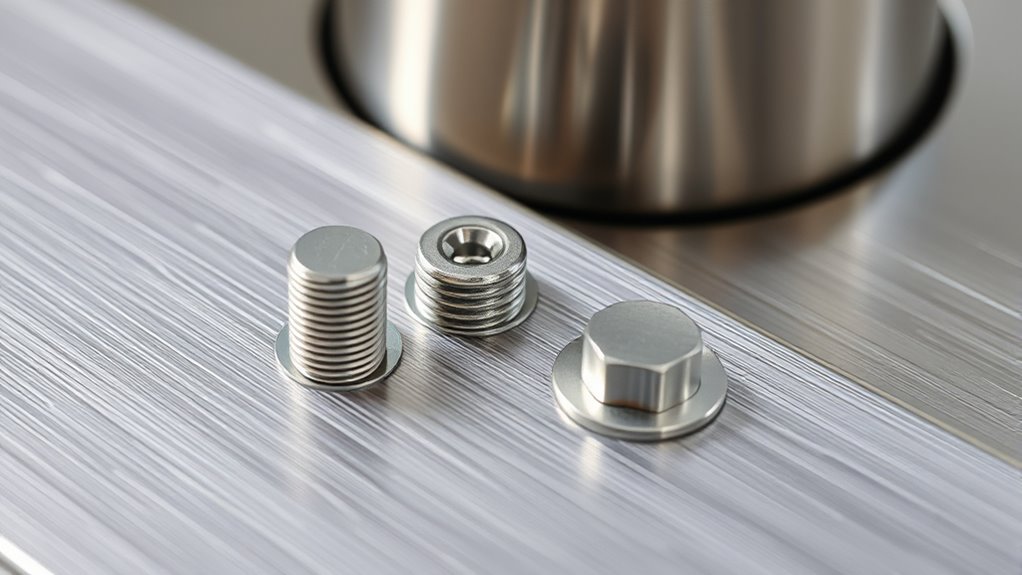

Designing for repair with visible fasteners helps you make maintenance easier and more accessible. By showing fasteners on the surface, you enable users to quickly identify repair points, promote modular replacements, and extend product lifespan. This approach not only demonstrates durability but also encourages sustainable use and reduces waste. If you explore further, you’ll discover how visible fasteners support a repair-friendly design philosophy that benefits both users and the environment.
Key Takeaways
- Incorporate visible fasteners to facilitate easy identification and access for repairs and maintenance.
- Use accessible fasteners to support modular design and simplify component replacement.
- Highlight fasteners as a sign of durable, repair-friendly construction, enhancing user confidence.
- Design with visible fasteners to promote transparency, reduce reliance on specialized tools, and empower users.
- Ensure fasteners contribute to a sustainable product lifecycle by enabling repair, reuse, and extended durability.
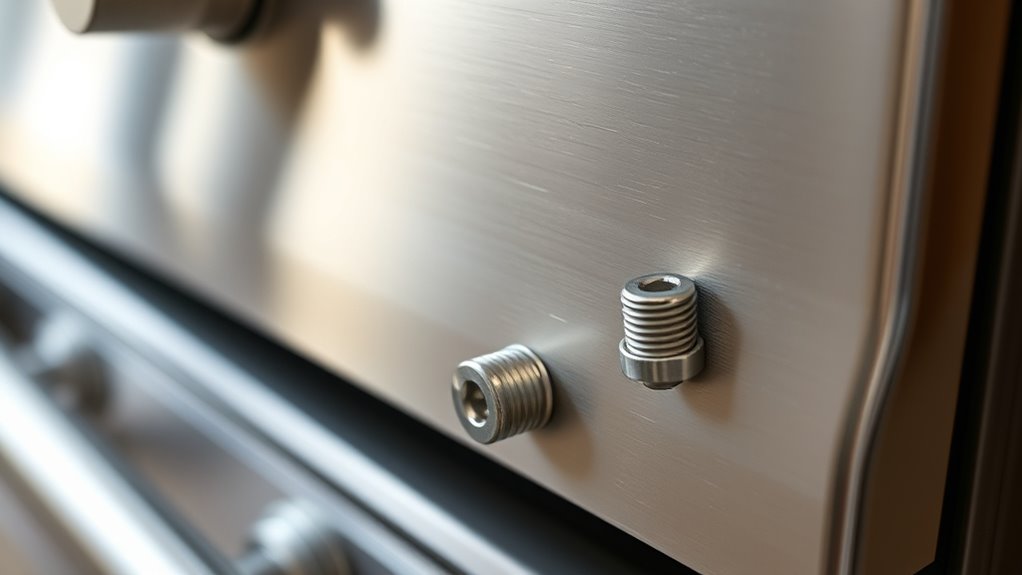
Have you ever considered how the design of a product can make it easier—or harder—to repair? One of the most effective ways to facilitate repairs is by using visible fasteners. When fasteners like screws, bolts, or clips are exposed and accessible, you can quickly identify where to start and what tools you’ll need. This straightforward approach eliminates the frustration of hidden or recessed fasteners that require special tools or extensive disassembly. Visible fasteners empower you to perform repairs efficiently, whether you’re replacing a broken component or performing routine maintenance.
Incorporating visible fasteners also aligns with the idea of designing for longevity and sustainability. When fasteners are easy to see and access, you’re more likely to repair instead of discard the product. This mindset supports the use of sustainable materials, as it encourages repair and reuse rather than waste. Furthermore, products designed with visible fasteners often embrace modular components. Modular design means each part can be independently replaced or upgraded without dismantling the entire product. When fasteners are clearly accessible, you can swap out a faulty module without hassle, extending the product’s lifespan and reducing environmental impact.
Using modular components in conjunction with visible fasteners creates a system that’s both user-friendly and eco-conscious. For example, imagine a household appliance where each module—for example, the motor, control panel, or power supply—is secured with visible screws. If one part fails, you can unscrew and replace just that module, rather than throwing away the entire device. This approach not only saves money but also minimizes waste and the demand for new resources, reinforcing the importance of sustainable materials. Plus, modular components make it easier to upgrade parts over time, keeping the device current without a complete overhaul.
Modular components with visible fasteners enable easy upgrades and reduce waste.
Designing with visible fasteners also signals transparency and confidence in the product’s construction. It shows that the manufacturer intends for the product to be repairable and durable. When fasteners are hidden or concealed, it often suggests a design focused on aesthetics or obfuscation rather than practicality. In contrast, visible fasteners demonstrate a commitment to repairability and user empowerment. You’re less likely to need specialized tools or professional help, which makes maintenance more accessible and less costly.
Ultimately, integrating visible fasteners into product design, especially alongside sustainable materials and modular components, transforms how you interact with your possessions. It promotes a culture of repair and reuse, helping you extend the life of products, reduce waste, and make more environmentally responsible choices. When repair becomes simple and accessible, it encourages you to view your possessions as durable and adaptable, fostering a more sustainable relationship with the things you own. Additionally, awareness of payment security can reinforce the importance of trustworthy design practices in product manufacturing.
Frequently Asked Questions
How Do Visible Fasteners Impact Product Longevity?
Visible fasteners can enhance your product’s longevity by allowing easier maintenance and repair. They often use corrosion-resistant materials, which protect against environmental damage, and provide fastening strength to hold components securely over time. This means your product stays durable longer, reducing the need for replacements. Plus, if issues arise, you can quickly identify and fix problems, extending its lifespan and ensuring consistent performance.
Are There Aesthetic Considerations With Visible Fasteners?
Yes, visible fasteners can enhance a product’s decorative appeal, making them a design feature rather than a flaw. You can use them to create a distinctive look or emphasize craftsmanship, strengthening brand identity. When thoughtfully chosen and placed, fasteners add visual interest, giving your product a unique character. However, you should balance their decorative role with the overall aesthetic to guarantee they complement rather than detract from your design.
What Materials Are Best for Visible Fasteners?
You should choose materials like stainless steel or brass for visible fasteners because they offer excellent material durability and resist corrosion. These materials work well with various fastening techniques, ensuring a secure attachment. They also maintain their appearance over time, which is vital for aesthetic appeal. Opting for durable materials and proper fastening techniques makes your design both practical and visually appealing, ensuring longevity and ease of repair.
How Do Visible Fasteners Affect Manufacturing Costs?
Visible fasteners can increase manufacturing costs due to higher material and labor expenses, as they often require precise placement and additional finishing steps. You might face increased assembly complexity, which can lengthen production times and require specialized tools. However, their benefits in ease of repair and aesthetic appeal can offset these costs. Carefully evaluate these trade-offs to balance upfront expenses with long-term value.
Can Visible Fasteners Be Easily Replaced or Upgraded?
Yes, visible fasteners are typically easy to replace or upgrade because of their fastener accessibility. You can usually access them without specialized tools or disassembly, making upgrades straightforward. This design feature simplifies maintenance and repairs, allowing you to swap out components quickly. As a result, visible fasteners enhance upgrade ease and maintainability, giving you confidence that your equipment or furniture stays functional and up-to-date with minimal effort.
Conclusion
By choosing visible fasteners, you make repairs simpler and more accessible, encouraging longevity and sustainability. Did you know that products designed with repairability in mind can extend their lifespan by up to 30%? When you prioritize visible fasteners, you empower yourself and others to fix things easily, reducing waste and environmental impact. So, next time you’re designing or choosing a product, consider how visible fasteners can make repair straightforward and support a more sustainable future.