
Negative space, or empty areas, holds quiet yet powerful influence in both UI design and interior spaces. It helps you create visual balance, making key elements stand out and guiding viewers’ focus naturally. In interiors, it fosters a sense of openness and tranquility, reducing clutter and stress. When used thoughtfully, negative space shapes emotional responses and enhances harmony. Want to discover how mastering this subtle tool can transform your spaces into something truly impactful?
Key Takeaways
- Negative space enhances clarity and focus in UI and interior design by emphasizing main elements and reducing clutter.
- Proper use of negative space guides user attention and creates a balanced, intuitive experience in digital interfaces.
- In interior design, negative space fosters openness, tranquility, and emotional well-being by emphasizing key features.
- Negative space influences emotional responses, promoting calmness or excitement, and supports spiritual harmony within environments.
- Thoughtful application of negative space transforms ordinary designs into memorable, harmonious, and emotionally impactful spaces.

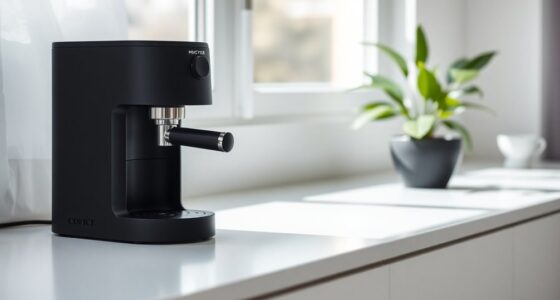
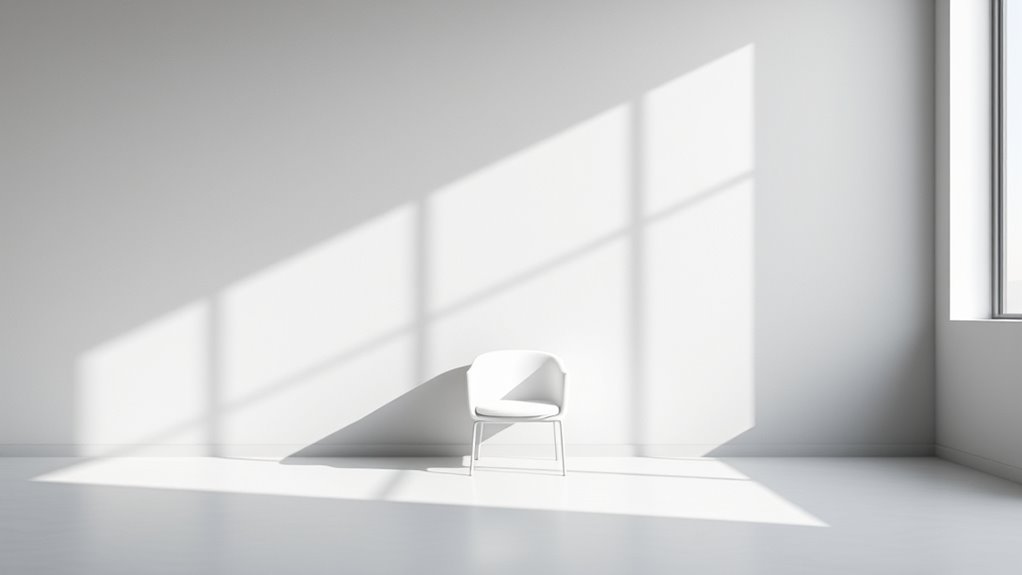
Have you ever noticed how empty areas in a design or space can make the main elements stand out more? That’s the power of negative space—those unoccupied zones that might seem insignificant but actually play a crucial role in shaping your experience. When you use negative space thoughtfully, you create a sense of visual balance that guides your eye naturally across a layout or room. This balance isn’t just about aesthetics; it influences how you feel. Proper negative space can evoke calmness, focus, or even excitement, depending on how it’s applied. It’s a strategic tool that helps you control the emotional impact of a design or environment, making sure the message or mood you want to communicate isn’t lost amid clutter. Additionally, understanding how spiritual energy interacts with our surroundings can enhance the harmony and flow within a space, fostering a more mindful and balanced environment. In user interfaces, negative space is essential for clarity. When you design a website or app, leaving enough space around buttons, text, and images prevents the interface from feeling overwhelming. This spacing allows users to process information easily, reducing confusion and frustration. It also directs attention precisely where you want it—whether that’s highlighting a call-to-action or making content more digestible. By balancing content with ample negative space, you create a clean, intuitive experience that feels both modern and approachable. This visual balance isn’t accidental; it’s a deliberate choice that impacts how users perceive your brand and how comfortable they feel *orchestrating* your digital space. Similarly, in interior design, negative space helps define the personality of a room. You don’t need to fill every inch; instead, you strategically leave areas empty to emphasize the main features—like a statement piece of furniture or a piece of art. This approach fosters a sense of openness and tranquility, making the space more inviting. Negative space also helps you avoid clutter, which can cause stress and diminish emotional impact. When you allow room for movement and breathing within a space, you enhance comfort and create a more balanced environment. The visual harmony achieved through well-placed negative space influences your mood, making a room feel more spacious, calm, and thoughtfully curated. Ultimately, negative space isn’t just about emptiness—it’s about purpose. It gives your designs and spaces room to breathe, making the main elements more impactful and emotionally resonant. When you master the art of using negative space, you craft environments that are both visually balanced and emotionally compelling. You guide your audience’s attention, evoke specific feelings, and elevate the overall experience. This quiet power of negative space transforms ordinary designs into memorable, harmonious spaces that truly speak to the viewer or inhabitant.
Frequently Asked Questions
How Does Negative Space Influence User Emotional Response?
Negative space influences your emotional response by creating a sense of calm and clarity, allowing you to focus without feeling overwhelmed. It enhances visual harmony, making the design more appealing and easier to navigate. When used effectively, negative space fosters emotional resonance, making you feel more connected and comfortable with the interface or interior. You’ll notice a more balanced, inviting experience that encourages you to stay longer and engage more deeply.
Can Negative Space Improve Accessibility in Design?
Yes, negative space can enhance accessibility in design by improving typography balance and visual hierarchy. You can make text easier to read by providing sufficient space around characters and sections, reducing clutter for users with visual or cognitive impairments. This clear separation helps guide attention and ensures important elements stand out, making your design more inclusive. Proper use of negative space empowers all users to navigate and understand your content effortlessly.
What Are Common Mistakes in Using Negative Space Effectively?
You often mistake visual clutter for busy design, but it’s actually a common mistake in using negative space effectively. When you disregard balance, your layout becomes imbalanced, making it harder for users to focus. Research shows cluttered screens reduce user engagement by 20%. To avoid this, guarantee you leave enough negative space to create harmony, guiding the eye naturally and preventing overwhelming your audience.
How Does Negative Space Vary Across Different Cultures?
You’ll notice that cultural perceptions influence how negative space is used and interpreted across different cultures. In some societies, ample negative space emphasizes simplicity and elegance, creating visual balance and harmony. In others, it might be seen as emptiness or neglect. By understanding these cultural nuances, you can design more effective visuals that resonate globally, ensuring your negative space enhances clarity and aesthetic appeal without unintended connotations.
Are There Tools to Measure the Impact of Negative Space?
You can use tools like eye-tracking software and user feedback surveys to measure the impact of negative space. These tools help you assess visual balance and design simplicity, showing how users interact with your layout and where their focus naturally falls. By analyzing this data, you gain insights into how negative space enhances clarity and user experience, allowing you to refine your design for maximum effectiveness and aesthetic harmony.
Conclusion
Embracing negative space can truly make your designs and interiors stand out. It’s the quiet strength that lets your main elements breathe and shine. When you give room to breathe, you’re not just filling space—you’re creating harmony and focus. Remember, sometimes less is more, and in this case, it’s the secret sauce that turns a good space into a great one. Trust the power of negative space, and watch your vision come alive effortlessly.