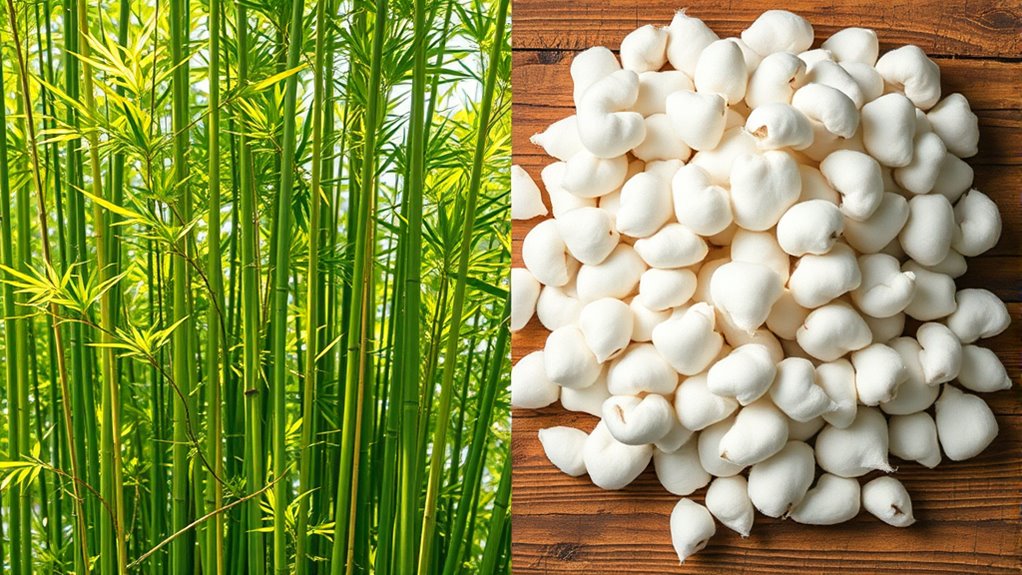

If you’re choosing a greener material, bamboo often comes out ahead because it grows quickly, needs less water and chemicals, and biodegrades faster than cotton. Bamboo’s sustainable farming minimizes environmental harm, while cotton’s resource-intensive cultivation harms ecosystems and requires heavy pesticide use. Processing methods also matter; bamboo’s eco-friendly treatments help reduce waste, but chemical treatments can limit recycling opportunities. Want to see how these factors stack up? Keep exploring to discover which option truly benefits your environment.
Key Takeaways
- Bamboo grows rapidly with minimal resources, reducing environmental impact, while cotton requires extensive water, pesticides, and energy.
- Bamboo’s biodegradability offers an eco-friendly end-of-life option, whereas chemical treatments in cotton can hinder recycling and decomposition.
- Sustainable bamboo farming enhances soil health and reduces erosion, contrasting with cotton’s resource-intensive cultivation that depletes soil quality.
- Processing bamboo generally involves fewer chemicals, lowering pollution, while cotton production often relies on harmful pesticides and chemicals.
- Bamboo’s fast growth and lower resource needs make it a greener choice overall, despite chemical treatments used in processing.
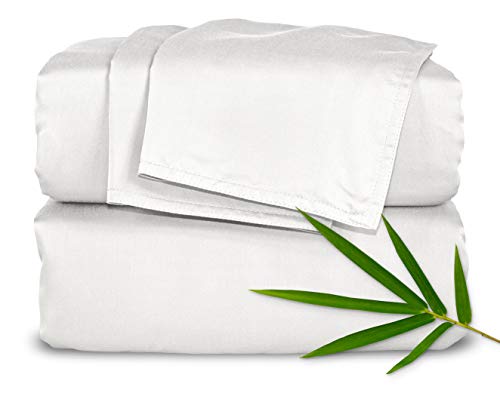
King Sheets by Pure Bamboo, Genuine 100% Organic Viscose Derived from Bamboo Bed Sheet Set, Soft & Cooling, Double Stitching, 2 Year Quality Promise (King, White)
✔ GENUINE 100% ORGANICALLY GROWN VISCOSE DERIVED FROM BAMBOO – Crafted from the finest quality luxusiously soft 100%…
As an affiliate, we earn on qualifying purchases.
As an affiliate, we earn on qualifying purchases.
Growing Conditions and Resource Usage

Bamboo and cotton have markedly different growing conditions and resource needs. Bamboo thrives in diverse environments and grows rapidly, often without the need for pesticides. Its extensive root system stabilizes soil, reducing soil degradation and preventing erosion. In contrast, cotton requires specific climate conditions, usually in warmer regions, and heavily relies on pesticide use to combat pests. This pesticide dependence can lead to soil degradation over time, harming soil health and biodiversity. Cotton farming typically demands significant water and chemical inputs, which can deplete resources and contaminate surrounding land. Bamboo’s low-resource growth makes it more sustainable in terms of environmental impact, especially when it comes to preserving soil quality and reducing chemical use. Additionally, bamboo’s fast growth rate allows for quicker harvest cycles, increasing its potential as a renewable resource sustainable material.

mioeco 20 Pack Reusable Kitchen Paper Towels Washable – Super Absorbent Natural unPaper Towels – Natural Cotton – Reusable, Paperless Kitchen Dish Cloths – 100% Organic
Eco-friendly Alternative: Embrace an earth-friendly lifestyle with these reusable paper towels, a great alternative to traditional ones. Expertly…
As an affiliate, we earn on qualifying purchases.
As an affiliate, we earn on qualifying purchases.
Farming Practices and Environmental Impact
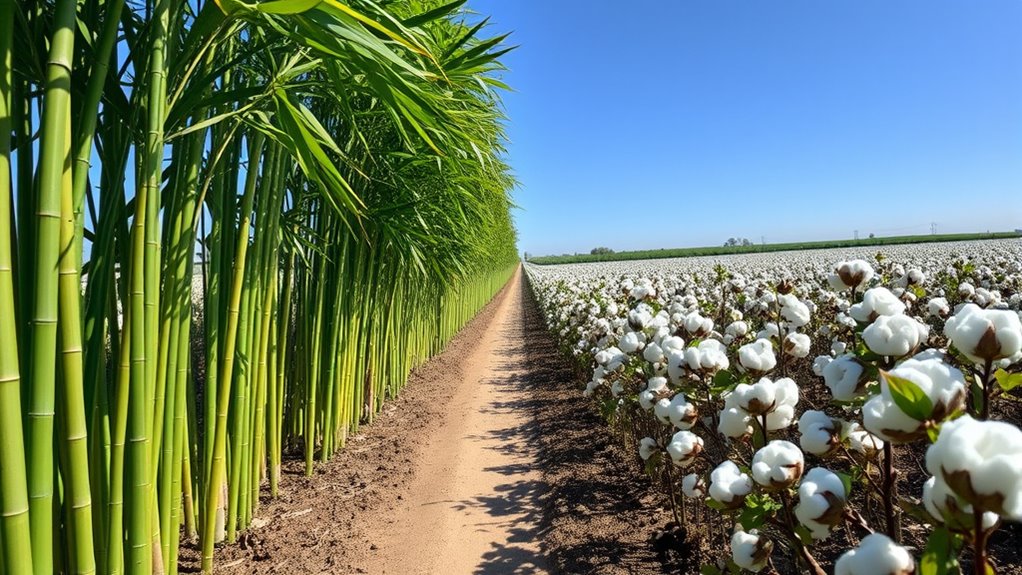
While bamboo farming generally involves fewer chemical inputs, the methods used can still vary considerably and impact the environment. Pest management plays a vital role; sustainable farmers often rely on natural predators or organic controls instead of pesticides, reducing chemical runoff. Crop rotation is another practice that benefits bamboo cultivation, helping prevent soil depletion and break pest cycles without heavy chemical use. In contrast, cotton farming often demands intensive pest management, leading to increased pesticide use that harms ecosystems and pollutes water sources. Sustainable bamboo farms tend to adopt practices that promote soil health and reduce environmental harm. Additionally, high-quality color accuracy in bamboo cultivation can be maintained through proper management, further enhancing sustainability. Moreover, implementing integrated pest management strategies can significantly decrease the reliance on chemical treatments. Another important aspect is biodiversity preservation, which can be supported through sustainable farming practices that maintain local ecosystems. Incorporating soil conservation techniques further minimizes erosion and enhances land resilience. Overall, mindful farming practices like integrated pest management and crop rotation can considerably lessen farming’s ecological footprint, making bamboo a greener option if these methods are applied effectively.

BAMBOO COOL Womens Oversized T Shirts Short Sleeve Tees Loose Fit Tops for Ladies Trendy Clothes Black
【Notice】:Our women's oversized t-shirts run bigger than regular sizes, please refer to the size chart we provided before…
As an affiliate, we earn on qualifying purchases.
As an affiliate, we earn on qualifying purchases.
Processing and Manufacturing Methods
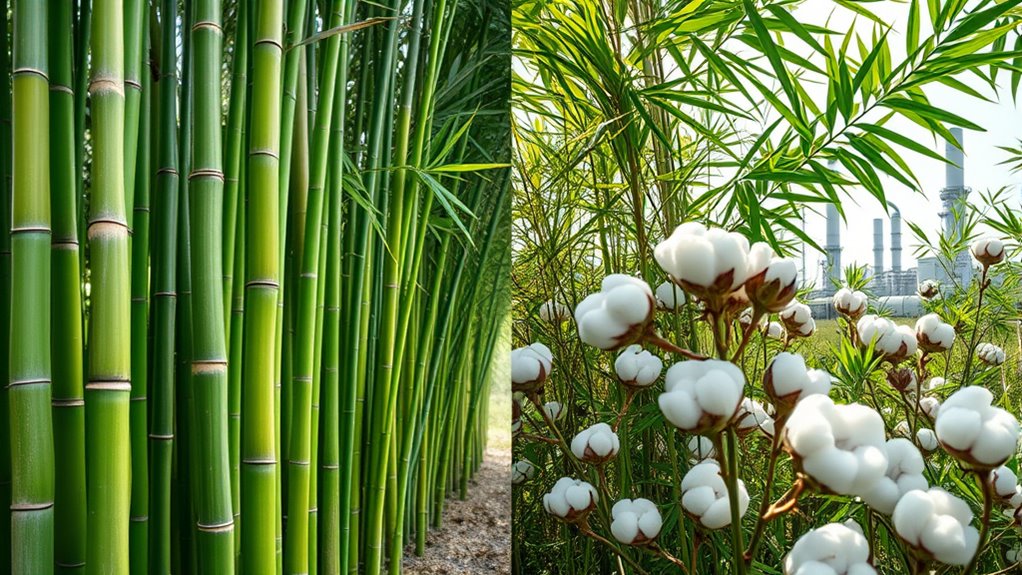
Processing and manufacturing methods considerably influence the environmental footprint of bamboo and cotton products. Bamboo often requires minimal pesticide use during processing because its natural properties deter pests, reducing chemical inputs. However, manufacturing bamboo into fabric involves chemical treatments, which can be harmful if not properly managed. Additionally, some processes use environmentally friendly techniques like mechanical processing to lessen chemical reliance. Moreover, advancements in eco-friendly processing techniques are helping to reduce environmental impacts in bamboo production. These innovations include biological treatments that further lessen chemical use and promote sustainability. Cotton, on the other hand, typically demands high pesticide use during cultivation, and these chemicals may carry over into processing, impacting ecosystems. Furthermore, chemical treatments during cotton processing can vary greatly, affecting environmental health. Additionally, labor practices play a vital role: some manufacturing facilities prioritize fair wages and safe conditions, while others cut corners. Sustainable processing emphasizes eco-friendly chemicals and ethical labor practices, making the overall environmental impact lower. By choosing products from responsible manufacturers, you support better environmental standards and more humane labor conditions. Environmental impact can vary significantly based on these processing methods and practices.

LaSilk Double Gauze Cotton Fabric by The Yard – 100% Cotton Muslin Fabric for DIY Craft & Sewing Material Like Dress, Towel, Bedding Sets, Cheesecloth, Boho Table Runner Fabric (White, 3 Yard)
100% Cotton & Double-Layer Design: Natural cotton double gauze muslin fabric with ultra-soft texture, no fluorescent agents or chemical…
As an affiliate, we earn on qualifying purchases.
As an affiliate, we earn on qualifying purchases.
Water Footprint and Soil Health
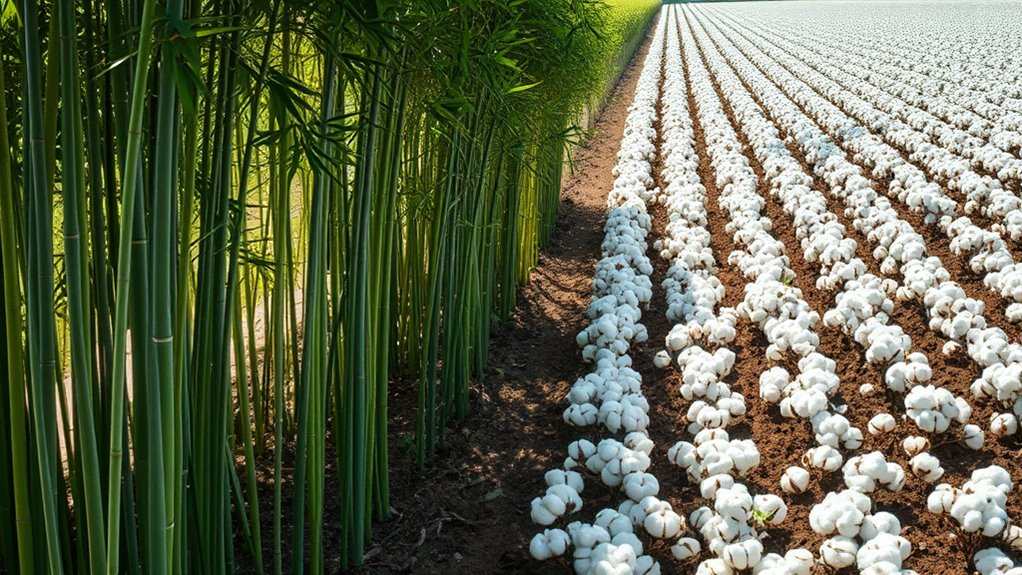
Understanding the water footprint and soil health of bamboo and cotton is essential for evaluating their environmental impact. Cotton typically requires high water consumption, which can lead to soil degradation and reduced land fertility. Additionally, the cultivation of cotton often involves the use of pesticides and chemical fertilizers that can further harm soil health. Bamboo, on the other hand, generally needs less water and tends to restore soil health when cultivated sustainably. Here are key points to contemplate:
- Cotton’s water use often causes soil degradation over time
- Bamboo absorbs more water efficiently, reducing overall water consumption
- Excessive irrigation for cotton can lead to salinization
- Bamboo’s root system helps prevent soil erosion
- Both crops impact soil health depending on farming practices used
- Sustainable farming practices can further influence the environmental footprint of these crops. Additionally, adopting regenerative agriculture techniques can enhance soil vitality and promote sustainable land management.
Carbon Emissions and Lifecycle Analysis
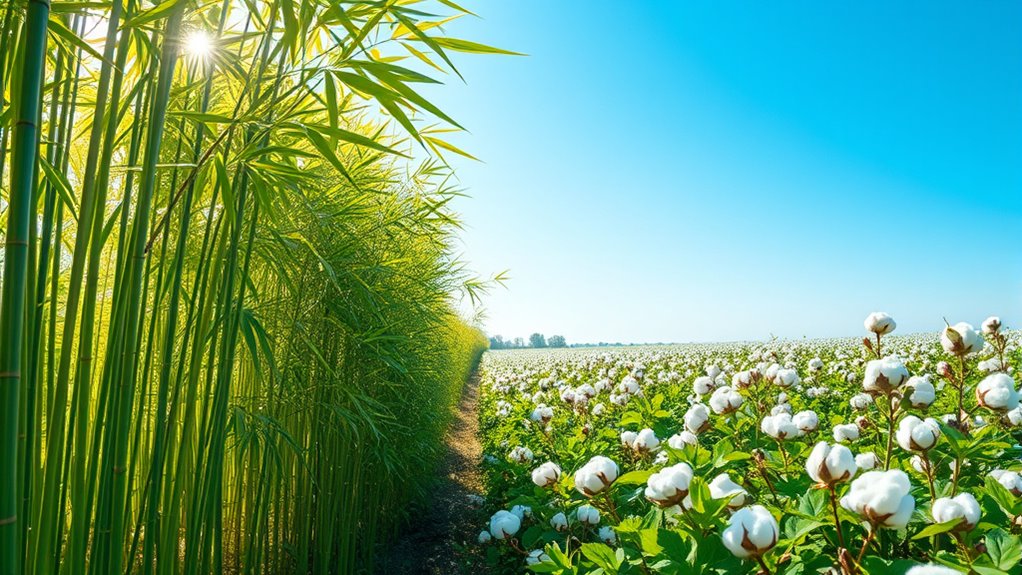
When comparing bamboo and cotton, you’ll notice differences in their carbon emissions during production and at end-of-life. Bamboo generally requires less energy to process, reducing its overall emissions, but disposal methods can influence its environmental impact. Understanding these lifecycle details helps you make more informed choices about sustainability.
Emissions During Production
While bamboo is often praised for its rapid growth and sustainability, its production process can generate significant carbon emissions. This happens mainly due to energy consumption and chemical treatments involved in transforming raw bamboo into usable fabric. Processing bamboo often requires heavy machinery, which burns fossil fuels, releasing carbon dioxide. Additionally, chemical treatments used to soften or preserve bamboo can produce emissions and waste. Compared to cotton, bamboo’s production may involve more intensive energy use in some cases. Key factors include:
- High energy consumption during mechanical processing
- Use of chemical treatments to ensure softness and durability
- Emissions from machinery and transportation
- Waste management of chemical byproducts
- Variable emissions based on manufacturing practices
- Environmental impact during manufacturing practices can vary significantly depending on the methods employed. Manufacturing practices can also influence the overall carbon footprint of bamboo production. Furthermore, the chemical processing involved may lead to environmental pollution if not properly managed.
End-of-Life Impact
Both bamboo and cotton fabrics have significant impacts once they reach the end of their usable life, influencing their overall environmental footprints. When it comes to biodegradability comparison, bamboo generally breaks down faster and more completely in natural environments, reducing waste and emissions. Cotton, however, can take longer to decompose, especially if treated with chemicals or dyes, which can hinder biodegradation. Recycling challenges also differ: bamboo fibers often require specialized processes to convert into new textiles, which aren’t widely available, limiting recycling options. Cotton, on the other hand, can be more easily recycled or repurposed, but contamination with dyes and chemicals complicates recycling efforts. Additionally, the proper disposal methods for each material significantly affect their environmental impact during the end-of-life phase. Overall, bamboo’s biodegradability gives it an edge, but recycling challenges for both materials impact their end-of-life environmental footprint, emphasizing the importance of sustainable disposal practices. Moreover, the biodegradation process of each material can be influenced by environmental conditions, further affecting their overall ecological impact.
End-of-Life and Recycling Potential

Bamboo and cotton differ markedly in how they break down and can be recycled at the end of their lifecycle. Bamboo is highly biodegradable, decomposing quickly in natural environments, which reduces biodegradability issues. However, recycling challenges arise if bamboo fibers are processed with chemical treatments. Cotton, on the other hand, is also biodegradable but can pose recycling issues due to dyes and synthetic blends that hinder composting.
Here’s what you should consider:
- Bamboo decomposes faster in natural settings
- Cotton may take longer to break down if heavily dyed
- Chemical treatments can complicate bamboo recycling
- Dyes and synthetic fibers affect cotton’s recyclability
- Both materials face challenges in recycling, but bamboo generally offers a greener end-of-life profile
Frequently Asked Questions
How Does Bamboo’s Biodegradability Compare to Cotton’s?
You might wonder how bamboo’s biodegradability compares to cotton’s. Biodegradability factors, like decomposition rates, show that bamboo generally breaks down faster because it’s naturally more biodegradable and requires fewer chemicals during processing. Cotton, especially conventional types, takes longer to decompose because of pesticide residues and processing chemicals. So, bamboo typically has quicker decomposition rates, making it a more eco-friendly option regarding biodegradability.
Are There Any Health Risks Associated With Bamboo or Cotton Fibers?
Imagine walking through a lush garden, feeling safe among natural elements. When it comes to health risks, you should consider chemical safety and allergenic potential. Bamboo is often treated with chemicals to soften it, which could pose risks if not properly processed, while cotton may cause allergies from pesticides and dyes. Always choose organic options when possible, and check labels to verify fibers are free from harmful chemicals.
What Is the Energy Consumption Difference During Processing?
You might wonder about the energy consumption difference regarding processing. Bamboo generally has a lower processing impact due to its rapid growth and fewer chemical treatments, making it more energy-efficient overall. Cotton, on the other hand, requires extensive water, pesticides, and energy for cultivation and processing. So, if you’re looking for a more sustainable option, bamboo tends to be better concerning energy efficiency during processing.
How Do Dyeing Processes Affect Environmental Impact?
You should consider how dyeing processes impact the environment, especially the dyeing chemical impact on ecosystems. Traditional dyeing often involves toxic chemicals, polluting water sources and harming wildlife. Opting for eco-friendly dye alternatives can markedly reduce this impact, making your textile choices more sustainable. By choosing fabrics dyed with natural or low-impact dyes, you help minimize pollution and support environmentally responsible practices.
Can Bamboo or Cotton Be Sustainably Sourced Globally?
You can find sustainably sourced bamboo and cotton by prioritizing brands that focus on sustainable farming practices and uphold strict supply chain ethics. Look for certifications like Fair Trade or Organic, which guarantee environmentally friendly cultivation and fair labor conditions. By choosing products from responsible sources, you support eco-friendly agriculture and help reduce the environmental impact of your clothing choices. Always research brands’ sourcing policies to make informed, greener decisions.
Conclusion
So, next time you pick out your fabric, remember—what seems greener might not be. Bamboo’s fast growth and low water needs sound ideal, but its processing can be tricky. Cotton’s long history of sustainability has its flaws too, especially with water and pesticide use. Ironically, choosing the truly eco-friendly option isn’t as simple as picking the “greener” plant. Sometimes, the greener choice is just knowing what’s hidden behind the label.