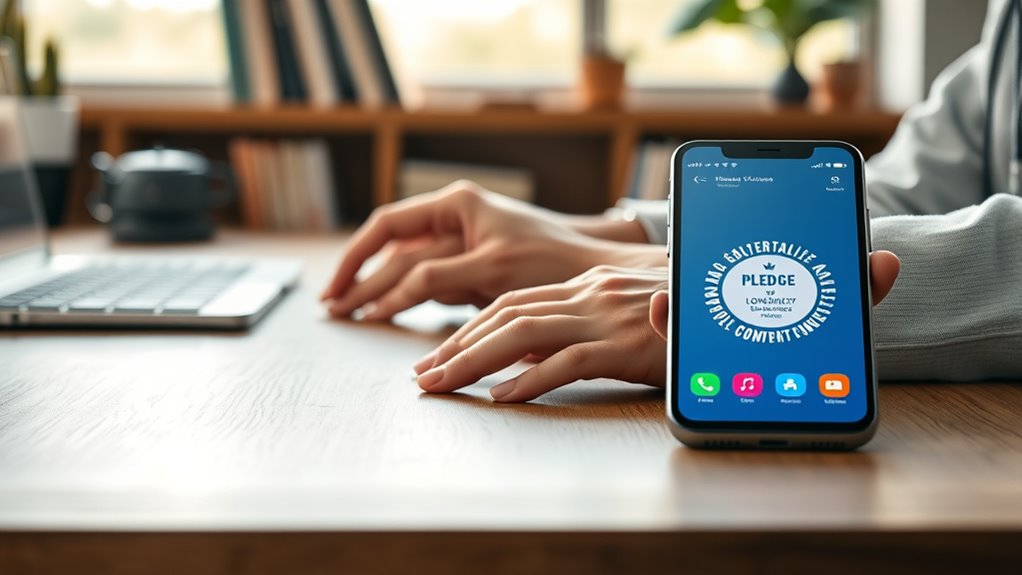

Smartphone longevity pledges aim to promote sustainable use by encouraging repairs and reducing waste. Their impact depends on addressing repairability issues like sealed batteries and proprietary screws, which often make repairs costly or difficult. Raising consumer awareness about repair options and proper device care also plays a key role. Manufacturers adopting modular designs and transparency can boost trust and extend device lifespans. To discover how these efforts evolve and influence your choices, explore the ongoing developments in this area.
Key Takeaways
- Many companies have committed to longer-lasting smartphones through repairability improvements and transparency initiatives.
- Despite pledges, repairability challenges like glued components and proprietary screws remain common.
- Industry updates include modular designs, official repair kits, and software support to extend device lifespan.
- Consumer awareness efforts focus on educating users about repair options, proper maintenance, and software updates.
- The impact of longevity pledges depends on addressing repair barriers and promoting sustainable device use practices.

Many smartphone makers are now encouraging consumers to extend the life of their devices through longevity pledges. These commitments aim to promote sustainability and reduce electronic waste, but they also bring attention to practical challenges like repairability issues and consumer awareness. When companies pledge to make devices last longer, they often highlight efforts to improve repairability, such as offering spare parts or providing detailed repair guides. However, repairability remains a key obstacle for many users. Smartphones are increasingly designed with sealed batteries, glued components, and proprietary screws, making repairs difficult and often costly. This limits your ability to fix common problems like battery degradation or damaged screens on your own or through third-party services. As a result, even with good intentions, longevity pledges can fall short if repairability isn’t adequately addressed. Additionally, the Worth of companies that prioritize repairability can influence consumer trust and industry standards, encouraging more brands to adopt sustainable practices.
Longevity pledges often overlook repairability, limiting users’ ability to fix devices and undermining sustainability efforts.
Consumer awareness plays an essential role in the success of these initiatives. Many users are still unaware of the repairability challenges their devices pose or the options available for maintenance and repairs. When you’re uninformed about how to extend your phone’s lifespan, you may prematurely replace it, contributing to unnecessary waste. Smartphone companies that emphasize longevity need to actively educate consumers about repair options, software updates, and proper device care. By increasing awareness, they empower you to make more sustainable choices and advocate for easier repair processes. When you understand the importance of maintaining your device properly, you’re more likely to keep it functional longer, aligning with the goals of these pledges.
Moreover, addressing repairability issues involves more than just encouraging repairs; it requires a shift in design philosophy. Some manufacturers are starting to incorporate modular parts or provide official repair kits, making it easier to fix components without needing specialized tools or skills. These efforts can considerably boost consumer confidence in repairing their devices and reduce the stigma associated with broken or outdated phones. As a user, you benefit from this transparency and accessibility, gaining more control over your device’s lifespan.
Ultimately, the success of smartphone longevity pledges depends on how well companies tackle repairability issues and raise consumer awareness. When both factors are prioritized, you’re more likely to keep your device longer, save money, and contribute to a more sustainable tech industry. As these initiatives evolve, your role becomes even more essential — staying informed, understanding repair options, and supporting brands that prioritize repairability will help foster a future where smartphones are built to last.

YOSUDA Magnetic Rowing Machine 350 LB Weight Capacity - Rower Machine for Home Use with LCD Monitor, Tablet Holder and Comfortable Seat Cushion-New Version
Choose YOSUDA: Design and produce top-quality exercise machines for home use for over 20 years. YOSUDA has been...
As an affiliate, we earn on qualifying purchases.
Frequently Asked Questions
How Do Smartphone Longevity Pledges Influence Consumer Behavior?
Smartphone longevity pledges influence your behavior by boosting your consumer trust, making you feel more confident about your purchase decisions. When brands commit to longer-lasting devices, you’re more likely to choose their products, knowing they’ll support you longer and reduce waste. This trust encourages repeat purchases and brand loyalty, ultimately shaping your buying habits toward sustainability and quality. Pledges serve as a reassurance, guiding your decisions with confidence.
Are There Any Legal Consequences for Companies Not Fulfilling Pledges?
You should know that there are limited legal implications for companies not fulfilling smartphone longevity pledges. Enforcement mechanisms vary by region, but generally, these pledges aren’t legally binding. Some governments may introduce regulations to hold companies accountable, but currently, most rely on consumer pressure and reputation. If a company fails to meet its promises, you might have limited legal recourse, so stay informed about any updates or new regulations.
What Technological Advancements Support Increased Smartphone Lifespan?
Battery breakthroughs and repairability standards bolster your smartphone’s lifespan. Advances in battery technology, like solid-state batteries, offer longer-lasting power and quicker charging, reducing the need for replacement. Repairability standards make it easier and more affordable to fix components instead of discarding the device altogether. These technological strides help you extend your smartphone’s life, support sustainability, and save money, making your device more durable and dependable over time.
How Do Longevity Pledges Vary Across Different Smartphone Brands?
You’ll notice that brand-specific commitments vary widely, with some brands promising longer software support and easier repairs, while others focus on eco-friendly materials. Regional pledge differences also exist, as companies tailor their promises based on local regulations and market expectations. These variations impact how long your smartphone remains functional and sustainable, encouraging you to choose brands that align with your longevity values and regional commitments.
What Role Do Government Policies Play in Promoting These Pledges?
Government policies play a vital role in promoting longevity pledges by establishing regulatory frameworks that encourage sustainable practices. Through policy incentives like tax breaks or subsidies, they motivate brands to design longer-lasting smartphones. These measures also hold manufacturers accountable, pushing them toward transparency and durability standards. Your awareness of these policies helps you advocate for more eco-friendly options, ultimately influencing brands to prioritize longevity and reduce electronic waste.

Rowing Machine for Home, 350 LB Capacity, 16-Level Silent Resistance, Magnetic Rowing Machines for Home Foldable, Full-Body Workout Compact Rowing Machine for Cardio & Strength with APP Support
【Power & Silent Magnetic Resistance】Enjoy powerful and quiet workouts with the YPOO Magnetic Rowing Machine. Featuring 99 lbs...
As an affiliate, we earn on qualifying purchases.
Conclusion
By embracing smartphone longevity pledges, you extend device lifespans, reduce e-waste, and promote sustainability. You choose durability over disposability, repair over replace, and quality over quantity. You support a future where technology lasts longer, harming less, and benefiting more. Your commitment makes a difference, your actions set a standard, and your choices shape a sustainable world. Together, you and your device can create a lasting impact—because longevity isn’t just a goal, it’s a responsibility.
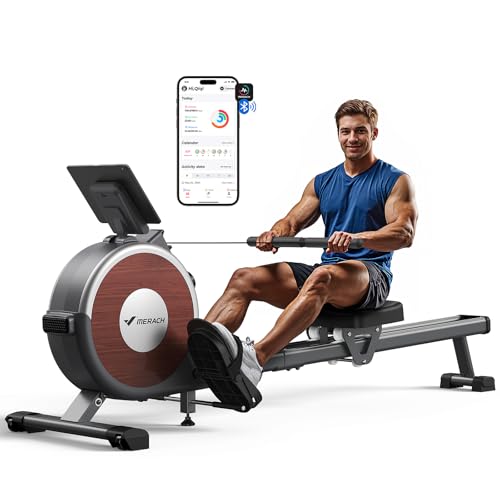
Merach Rowing Machine, Magnetic Rower Machine for Home, 16 Levels of Quiet Resistance, Dual Slide Rail with Max 350lb Weight Capacity, App Compatible with LCD Monitor, Q1S
MERACH APP: Our App offers various courses and programmed exercises for you, Taking the courses can bring your...
As an affiliate, we earn on qualifying purchases.

MERACH Sculls Rowing Machines for Home, Magnetic Rowing Machine with 16-Level, Simulate Real Row, Ultra-Quiet Rower, MERACH App and 1000+ Champion Coaching Course & Games
Sculls-Style Rowing: Simulates real rowing with 120° outward arm motion for full chest expansion. Trains back, arms, and...
As an affiliate, we earn on qualifying purchases.