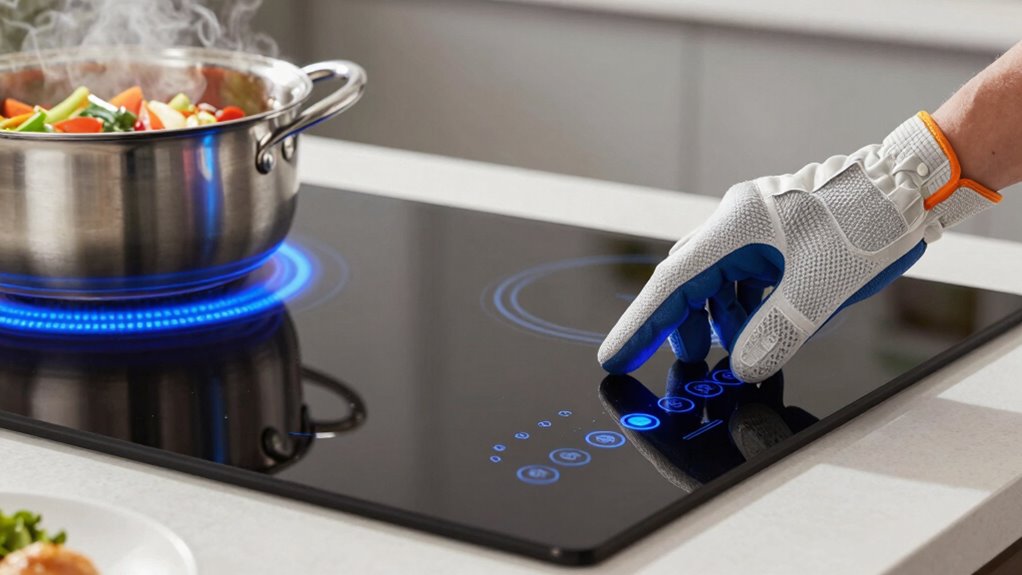

Many concerns about induction cooking are outdated myths, but some real risks do exist. It’s generally safe for most people, but you should be cautious if you have medical implants like pacemakers, as electromagnetic interference can be an issue. Proper cookware, regular maintenance, and smart use habits minimize safety worries, while modern features like auto shut-off boost safety. To discover how to cook safely and dispel common misconceptions, keep exploring these essential facts.

Get beauty and skincare favorites delivered free with Prime
- Fast, free delivery on millions of items
- Prime Video, Amazon Music and more included
- Member-only deals all year
Key Takeaways
- Electromagnetic fields from induction cooktops are localized and generally within safety limits, posing minimal health risks.
- Modern induction stoves include safety features like automatic shut-off and sensors to prevent accidents.
- Using compatible, undamaged cookware and proper installation reduces fire and malfunction risks.
- Child locks and supervision minimize burn hazards, but electromagnetic interference remains a concern for medical devices.
- Many safety concerns are myths; proper practices and technological advances make induction cooking safer than traditional methods.
induction cooktop safety features
As an affiliate, we earn on qualifying purchases.
As an affiliate, we earn on qualifying purchases.
Is Induction Cooking Safe for Everyone?
Is Induction Cooking Safe for Everyone?
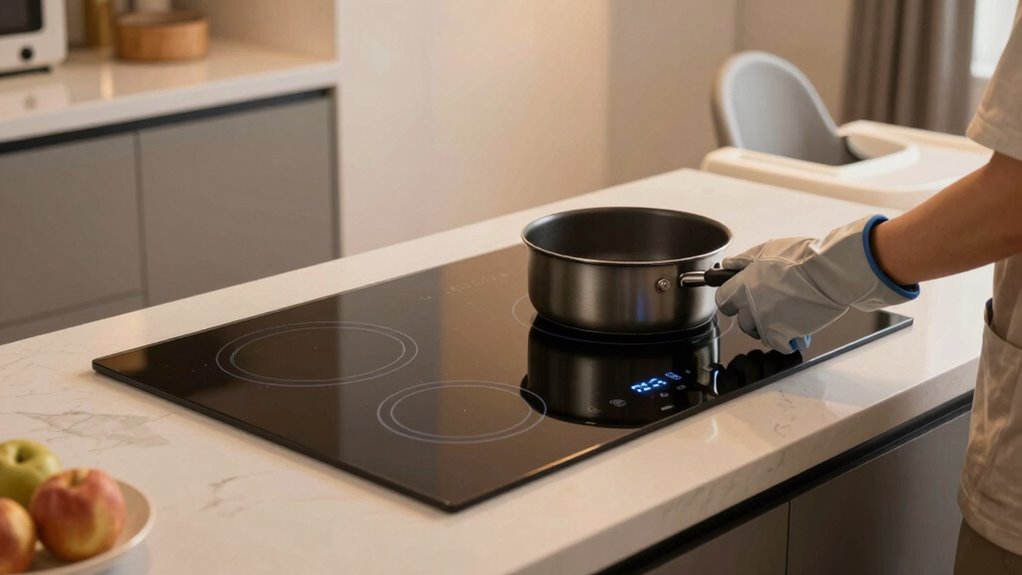
While induction cooking is generally safe for most people, it’s important to take into account individual health conditions. If you have a pacemaker or other medical devices, consult your doctor before using an induction stove, as electrical interference might affect device operation. Child safety is also a key concern; induction cooktops heat only cookware, so children are less likely to get burned, but you should still implement safety measures like child locks and supervision. Additionally, some people with certain health sensitivities may experience minor discomfort from exposure to electromagnetic fields, though these are usually low-level and well within safety standards. Overall, with proper precautions, induction cooking remains a safe option for most households. Proper gear maintenance can also enhance your overall cooking experience by ensuring that your cookware is compatible and safe for use on induction surfaces. Moreover, understanding safety standards can help you make informed choices about your cooking appliances, similar to how electric bike safety regulations ensure safe riding practices. It’s also important to note that induction cooking offers high efficiency rates, which can contribute to energy savings in your home. It’s also advisable to be aware of high-pressure sales tactics when purchasing induction cooking appliances to avoid potential scams.
induction compatible cookware set
As an affiliate, we earn on qualifying purchases.
As an affiliate, we earn on qualifying purchases.
What Are the Real Safety Risks of Using Induction Stoves?

Induction stoves are generally safe, but they do pose some real risks that users should be aware of. One concern is electromagnetic interference, which can disrupt nearby electronic devices like pacemakers or sensitive medical equipment. While rare, it’s important to guarantee your stove is properly shielded and used correctly. Appliance malfunction is another risk; faulty wiring or damaged components can cause sparks, overheating, or electrical shorts. Regular maintenance and proper installation can minimize these issues. Additionally, if cookware isn’t compatible or is damaged, it may lead to uneven heating or safety hazards. Staying alert to signs of malfunction and following manufacturer instructions can help you avoid these risks and safely enjoy the benefits of induction cooking. Moreover, ensuring your kitchen space is well-decorated and organized can contribute to a safer cooking environment, as effective space planning can reduce the risk of accidents during meal preparation. Furthermore, understanding the importance of cooking safety guidelines can help prevent accidents and ensure a smooth cooking experience. It’s also essential to remember that DIY safety tips can apply to maintaining your kitchen appliances to further enhance safety. Additionally, being aware of cybersecurity tactics can help protect smart kitchen devices from potential vulnerabilities that could lead to unsafe conditions.
child safety lock induction stove
As an affiliate, we earn on qualifying purchases.
As an affiliate, we earn on qualifying purchases.
How Do Magnetic Fields Affect Your Health and Safety?
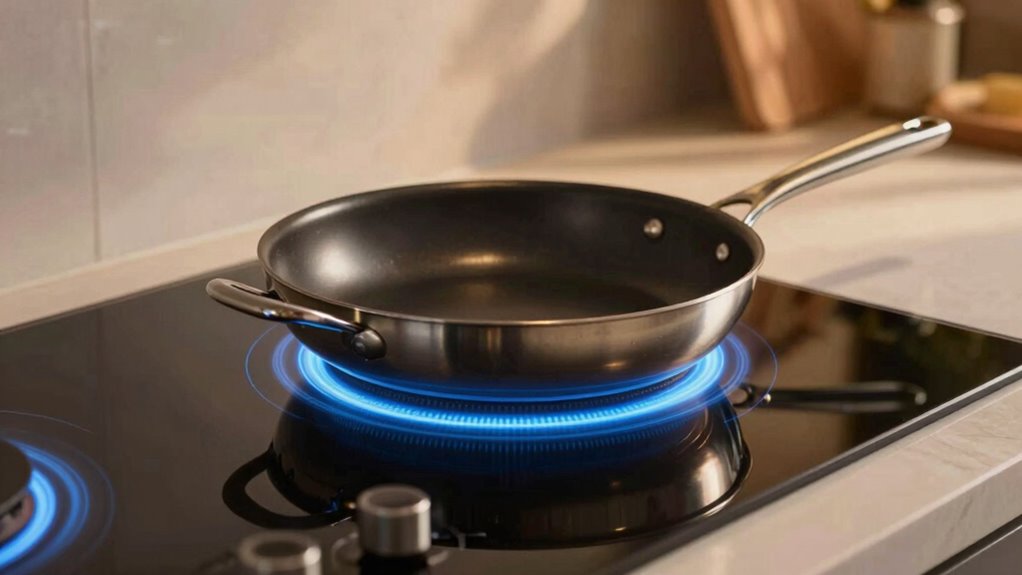
Magnetic fields generated by induction stoves are generally considered safe, but it’s important to understand how they can affect your health and safety. While electromagnetic exposure from these stoves is typically low and well within safety limits, some people worry about long-term health concerns. The magnetic fields are localized and decrease rapidly with distance, so standing a few inches away minimizes exposure. Current research shows no clear evidence linking typical induction stove use to adverse health effects. However, if you have a pacemaker or other electronic implants, you should consult your doctor, as strong electromagnetic fields can interfere with device functioning. Overall, for most people, the magnetic fields pose minimal risk, but staying informed helps you make safer choices in your kitchen. Additionally, understanding local ingredients can enhance your cooking experience and promote healthier meal choices. Maintaining work-life harmony can also support your overall well-being while cooking.
induction stove electromagnetic interference shield
As an affiliate, we earn on qualifying purchases.
As an affiliate, we earn on qualifying purchases.
Tips for Safe Use of Your Induction Cooktop
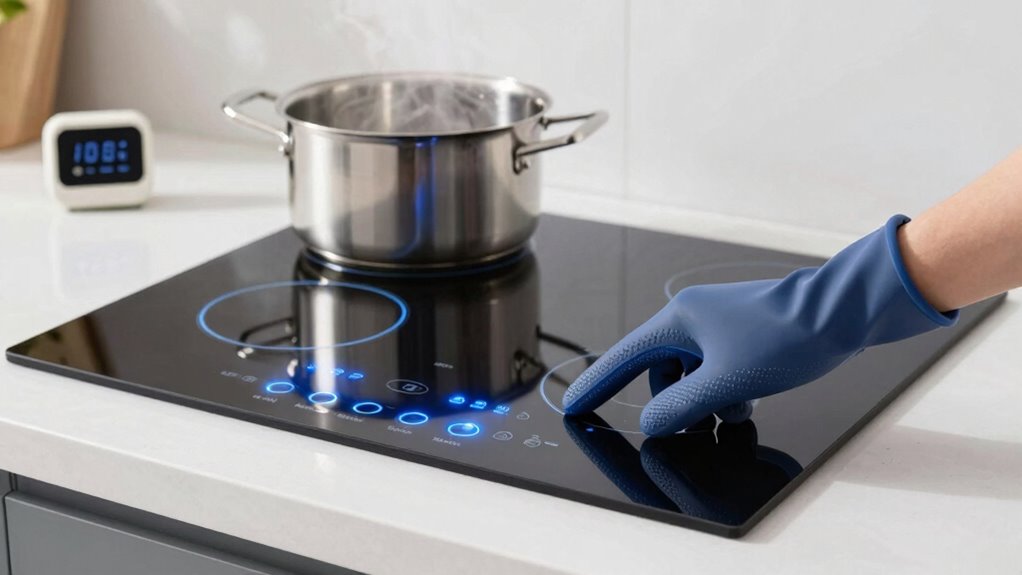
To use your induction cooktop safely, make sure you select the right cookware that’s compatible with induction technology. Practice safe operating habits, like keeping the area clear and never leaving it unattended while in use. By following these tips, you’ll minimize risks and enjoy efficient, safe cooking.
Proper Cookware Selection
Are you choosing the right cookware for your induction cooktop? Ensuring cookware compatibility is essential for safe and efficient cooking. Look for pots and pans with a flat, magnetic base—this guarantees proper heat transfer and prevents accidents. Material durability matters too; choose sturdy, high-quality cookware that withstands regular use without warping or cracking. Avoid flimsy or thin materials that can break or become unsafe over time. Stainless steel, cast iron, and certain enameled cookware are excellent options because they’re durable and work well with induction surfaces. Additionally, incorporating self-watering planters into your kitchen can enhance your cooking experience by providing fresh herbs on hand. Proper selection not only enhances performance but also reduces the risk of accidents caused by incompatible or fragile cookware. Furthermore, using AI-powered virtual reality tools can help you visualize cookware compatibility and cooking techniques. Additionally, understanding IRA investment strategies can help you make informed decisions about your cooking tools. Prioritize quality and compatibility to make your induction cooking safer and more reliable.
Safe Operating Practices
Sure! Here’s your revised content with the specified changes:
—
Ever wonder how to guarantee your induction cooktop stays safe during everyday use? Always keep the surface clean and confirm cookware is properly centered to prevent accidents. Use the right-sized pots to maximize energy efficiency and reduce unnecessary energy waste, which benefits the environment. Additionally, practicing mind-body healing techniques can help you stay calm and focused while cooking, enhancing your overall experience. Maintaining a clean cooktop also contributes to optimal indoor air quality, as it reduces the release of particles into the air. Remember that using a portable oil radiator can help maintain a comfortable cooking environment during colder months. To further enhance your cooking, consider employing crisping techniques that can improve food texture and flavor. Avoid overheating by adjusting the temperature promptly, as excessive heat can damage the cooktop and pose safety risks. Never leave the cooktop unattended while in use, especially when boiling or frying. Make sure to unplug or turn off the device when not in use to prevent electrical hazards. These safe operating practices help maintain your cooktop’s performance, minimize environmental impact, and ensure a safer, more efficient cooking experience every time. Additionally, consider using mount leveling kits to ensure your induction cooktop is installed correctly and safely.
—
Let me know if you need any further modifications!
Common Myths About Induction Cooking and Safety

Many people believe that induction cooking is inherently unsafe, but this is a common misconception. Historical misconceptions about induction technology have persisted despite significant technological advancements. Early fears stemmed from unfamiliarity with how induction works, leading some to think it posed unique risks. In reality, induction cooking uses electromagnetic fields that directly heat cookware, eliminating open flames and hot coils. Modern safety features, such as automatic shut-offs and sensors, further reduce risks. These advancements make induction appliances safer than many traditional methods. If you understand how induction technology has evolved, you’ll see that the fears rooted in outdated beliefs no longer hold true. Instead, induction offers a safer, more efficient way to cook, dispelling old myths that have stubbornly persisted. Additionally, the use of sound healing techniques can enhance the overall cooking experience by creating a calming atmosphere in the kitchen. Furthermore, understanding Frühwarnzeichen für Brustkrebs can help you recognize the importance of early detection in health matters. Moreover, mindful room design can also contribute to a stress-free cooking environment, helping to alleviate anxiety while preparing meals.
Dispelling Heat and Fire Risk Myths
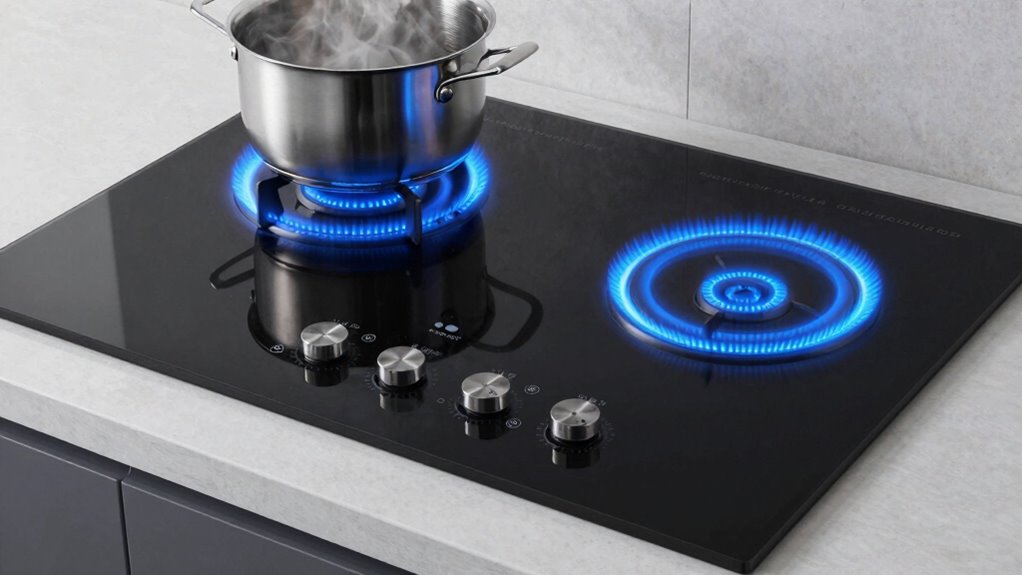
While concerns about safety often stem from misconceptions about induction cooking, one of the most persistent myths involves heat and fire risks. People believe induction stoves might overheat or cause fires, but the reality is quite different. Induction cooking offers precise temperature control, allowing you to adjust heat instantly and avoid dangerous overheating. The cooktop itself remains cool to the touch, reducing the risk of burns or fires. Additionally, induction’s energy efficiency means less wasted heat, minimizing the chance of accidental fires caused by residual heat. Most heat is generated directly in the cookware, not on the surface, making induction safer than traditional methods. Understanding these facts helps you see that induction cooking actually enhances safety rather than compromising it.
Frequently Asked Questions
Can Induction Cooktops Cause Interference With Medical Devices Like Pacemakers?
Induction cooktops can cause electromagnetic interference that might affect medical devices like pacemakers. However, modern induction cooktops are designed with device compatibility in mind, reducing this risk considerably. If you have a pacemaker or similar device, check with your healthcare provider and the manufacturer’s guidelines. Generally, staying a safe distance from the cooktop while it’s on minimizes potential electromagnetic interference, ensuring your device’s proper function.
Are There Specific Safety Concerns for Children Around Induction Stoves?
Think of the stove as a gentle yet powerful guardian, but one that requires your watchful eye. You should always supervise children around induction stoves, as they may accidentally touch hot surfaces or change the stove temperature. The magnetic field itself isn’t harmful, but the heat generated can cause burns. By maintaining constant supervision, you protect children from potential injuries while letting them learn safely about cooking.
How Energy-Efficient Are Induction Cooktops Compared to Traditional Stoves?
Induction cooktops are highly energy-efficient, often surpassing traditional stoves in energy savings. They use electromagnetic fields to directly heat cookware, which means less heat loss and faster cooking times. This results in lower power consumption overall. You’ll notice that induction stoves convert more of the electrical energy into heat, making them not only quicker but also a smarter choice for energy-conscious households.
Do Induction Stoves Emit Any Harmful Radiation During Operation?
Induction stoves emit electromagnetic fields during operation, but these fields are generally safe and don’t produce harmful radiation. As part of cooking safety, it’s important to understand that these electromagnetic fields are localized and weaken quickly with distance. You’re unlikely to experience adverse health effects if you follow proper usage guidelines. Overall, induction cooking remains a safe and efficient method, with minimal risks related to electromagnetic exposure.
What Maintenance Is Required to Ensure Ongoing Safety of Induction Appliances?
To keep your induction appliances safe, regularly check that they’re properly grounded to prevent electrical issues. Keep the surface clean by wiping with a damp cloth after use, avoiding abrasive cleaners that could damage the surface. Regularly inspect power cords for damage, and make certain all connections are secure. Proper electrical grounding and consistent appliance cleaning help prevent malfunctions and maintain safe, efficient operation over time.
Conclusion
While myths about induction cooking may linger, understanding the facts reveals a safer reality. By following proper guidelines and debunking misconceptions, you can enjoy the convenience without fear. Think of induction safety as a lighthouse guiding you through foggy waters—illuminating the truth amidst confusion. Embrace the technology confidently, knowing that with awareness and care, your kitchen becomes a haven rather than a hazard. Safe cooking starts with informed choices—are you ready to make them?
Halloween Picks
halloween
As an affiliate, we earn on qualifying purchases.