
To spot false eco claims fast, look out for vague language like “eco-friendly” without specifics, which masks superficial efforts. Beware of lush nature images or buzzwords that lack proof, and ignore vague promises about future goals. Check for authentic third-party certifications or transparent disclosures—if these are missing, the claim may be greenwashing. If you keep exploring, you’ll discover how to recognize these red flags and make smarter, eco-conscious choices.
Key Takeaways
- Look for vague language like “eco-friendly” or “sustainable” without supporting details or measurable proof.
- Be cautious of companies emphasizing future goals with distant deadlines instead of current achievements.
- Watch for superficial visuals of nature that lack concrete evidence or certification to back their claims.
- Scrutinize buzzwords and fake certification symbols that may be used to create a false impression of sustainability.
- Check for transparency and independent verification, as vague disclosures and missing third-party seals are red flags.
Top picks for "greenwash flag spot"
Open Amazon search results for this keyword.
As an affiliate, we earn on qualifying purchases.
Vague or Ambiguous Language
Vague or ambiguous language is a common tactic in greenwashing that can easily mislead consumers. Companies often use environmental jargon or vague claims that sound impressive but lack concrete proof. Phrases like “eco-friendly,” “sustainable practices,” or “green initiatives” are often too broad or undefined, making it hard to verify their truth. These ambiguous statements create an illusion of environmental responsibility without providing specifics. When you see these kinds of claims, be cautious. They’re designed to evoke positive feelings without backing them up with clear evidence. Recognizing the use of vague language helps you avoid being duped by insincere environmental claims. Instead, look for detailed explanations and verifiable data to truly understand a company’s environmental impact.
Lack of Specific Details

One clear sign of greenwashing is when companies make broad environmental claims but fail to provide specific details to back them up. Without specific product details or detailed environmental data, it’s hard to verify their sustainability promises. You should look for concrete information like ingredient lists, sourcing methods, or carbon footprint metrics. Vague claims such as “eco-friendly” or “green” often lack transparency. Be wary if a product’s environmental benefits aren’t supported by measurable data. Companies that provide detailed environmental data make it easier for you to assess their true impact. When details are missing, it’s a red flag that their claims may be superficial or exaggerated. Always ask yourself whether the company offers enough specifics to genuinely validate their eco-friendly assertions. Additionally, using natural materials like wood, stone, and linen can help verify if a product aligns with true sustainability practices. Transparency about supply chain practices is also a key indicator of genuine eco-conscious efforts. Recognizing self watering plant pots that include clear information about their reservoir system and materials can help determine their authenticity. Furthermore, examining product certifications from reputable organizations can provide more assurance of genuine eco claims.
Green Imagery Without Substance

Companies often rely on lush green images—such as forests, leaves, or nature scenes—to create an eco-friendly impression. These visuals evoke feelings of sustainability and environmental care, but they often lack real substance. When you see products or brands using only nature scenes or eco-friendly colors, be cautious. These images are designed to appeal to your sense of environmental responsibility without backing up claims with meaningful actions. The green imagery might look convincing, but it can be superficial, masking a lack of genuine eco-friendly practices. Remember, visuals alone don’t prove a company’s commitment to sustainability. Green marketing tactics can sometimes be misleading, so it’s essential to look for concrete evidence, such as transparent policies or verified certifications, to ensure the claims are more than just greenwashing. Additionally, understanding AI in Education can help consumers better evaluate the authenticity of corporate claims through data-driven insights. Recognizing eco-labels and certifications can also aid in distinguishing authentic sustainability efforts from superficial marketing.
Overuse of Buzzwords and Certifications
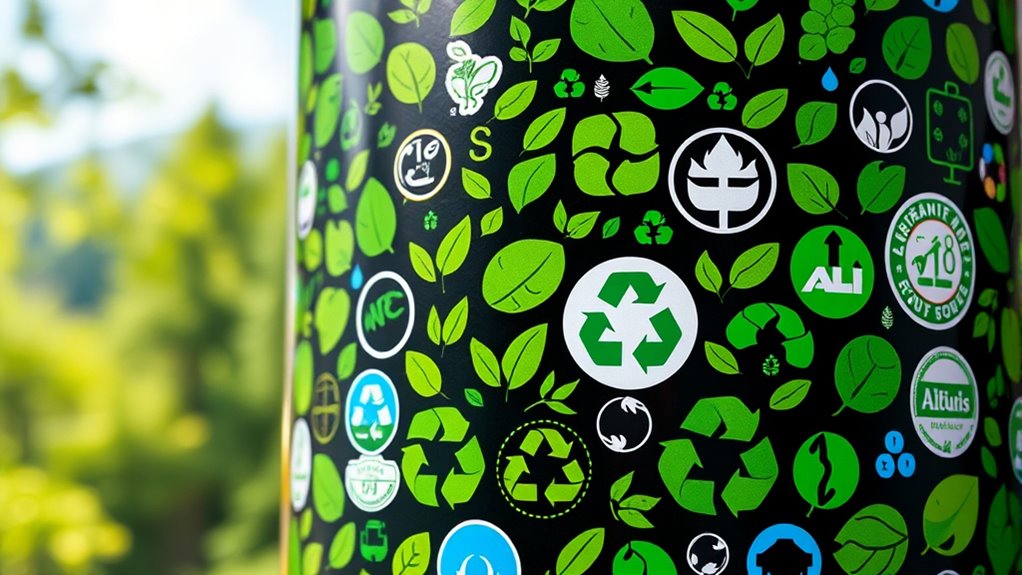
While certifications and buzzwords can signal environmental responsibility, their overuse often clouds the truth. You might encounter what’s called buzzword bingo—where vague terms like “green,” “eco-friendly,” or “sustainable” are thrown around without proof. Watch out for fake labels that mimic legitimate certifications but lack verification. These tactics can make a product seem more eco-conscious than it truly is.
Beware of vague claims and fake labels that falsely suggest eco-friendliness without proof.
- Use of vague phrases instead of specific, measurable claims
- Reliance on superficial symbols or logos without official backing
- Overloading packaging with multiple buzzwords to create an illusion of sustainability
Hidden or Confusing Disclosures

Companies often hide the truth with vague language or confusing disclosures that make it hard to understand their true environmental impact. You might notice labels that use unclear certification marks or buzzwords that sound impressive but lack specifics. Being aware of these tactics helps you see through the smoke and mirrors of greenwashing. Paying attention to product labels and verifying claims with reputable sources can help you identify genuine eco-friendly products. Additionally, examining the tea accessories materials can reveal whether they truly align with eco-conscious practices or are just marketed as sustainable. Recognizing the ingredients used in products can also provide insight into their environmental and health impacts, as some ingredients may be more eco-friendly than others. Understanding cookie categories and user consent can further help you navigate how companies collect and use data related to their environmental claims.
Vague Language Usage
Vague language can be a powerful tool in greenwashing, often making environmental claims seem more credible than they really are. When companies use ambiguous terms, it becomes harder to verify their eco-friendly branding efforts. Look out for phrases like “sustainable materials,” “green initiatives,” or “eco-conscious packaging,” which can be intentionally broad or misleading.
- Words like “natural,” “green,” or “eco-friendly” without clear definitions
- Vague claims about “reducing impact” without specifics
- Descriptions emphasizing “innovative packaging” as environmentally beneficial without proof
These tactics hide the truth behind superficial language, making it appear you’re supporting eco-friendly brands when you’re not. Always ask for concrete details to verify if a product’s claims are genuine or just greenwashing.
Opaque Certification Labels
Have you ever looked at a certification label and found it confusing or hard to interpret? Opaque certification labels can make it difficult to gauge a product’s certification legitimacy. Instead of clear, straightforward information, these labels often hide details or use vague symbols that are hard to decipher. This intentional ambiguity can mislead you into believing a product is eco-friendly when it may not be. To spot these red flags, pay attention to labels that lack transparency or rely on obscure symbols. Good certifications should help you confidently interpret a product’s eco credentials. If the label leaves you guessing or requires extensive research, it’s a sign that the disclosure isn’t genuine. Trust labels that are clear, honest, and easy to understand—these are the ones that truly verify eco claims. Additionally, being aware of common vegan-related misconceptions can help you better evaluate the integrity of eco claims on labels. Recognizing transparent certification practices ensures you’re making informed and ethical choices, especially when considering health benefits associated with eco-friendly products.
Excessive Focus on Future Goals
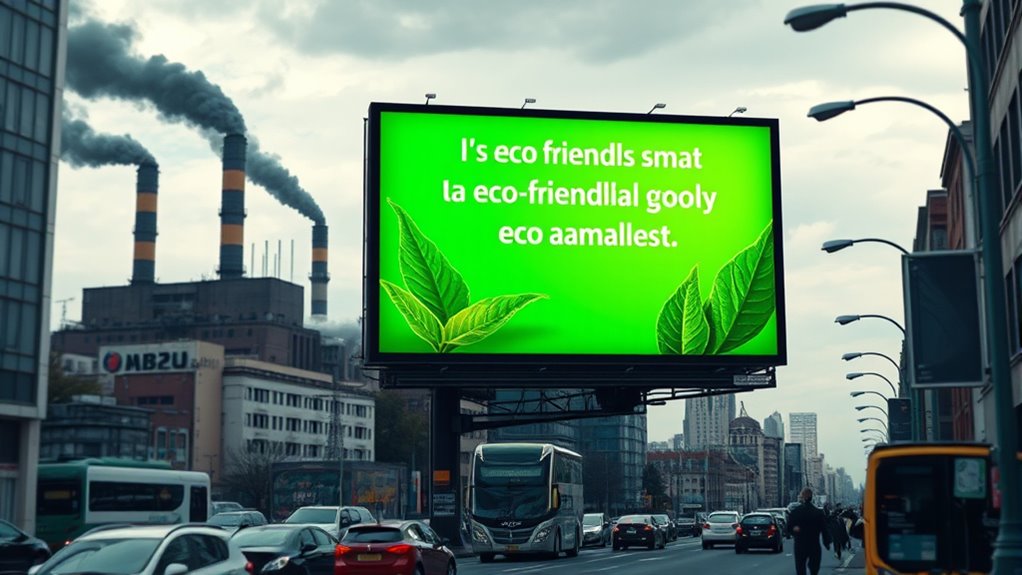
When companies focus too much on future promises, they might be hiding underwhelming current results. Vague sustainability targets and delayed environmental impacts can make it hard to assess true progress. Be cautious of promises that sound great but lack concrete performance evidence. Incorporating effective workflows and clear benchmarks can help evaluate ongoing achievements more accurately. Additionally, a comprehensive review of nutritional content can reveal whether these claims are backed by factual data rather than just optimistic projections. Monitoring performance metrics can further assist in discerning genuine improvements from mere marketing claims. Paying attention to specific nutritional advantages can provide a more transparent picture of a company’s true sustainability efforts.
Promises Over Performance
While companies often highlight ambitious future goals to appeal to environmentally conscious consumers, an excessive focus on promises over actual performance can be a red flag. Watch out for brands that emphasize vague commitments like “going green” without backing them up with tangible results. They might tout eco friendly packaging or renewable energy claims, but lack transparency about progress.
- Promising future reductions without current data
- Highlighting aspirational goals instead of measurable achievements
- Relying on vague language like “sustainable” or “eco-friendly” without specifics
These tactics can mask a lack of real progress. If a company’s claims seem overly optimistic or feel detached from actual results, it’s worth scrutinizing their performance rather than falling for empty promises.
Vague Sustainability Targets
Many companies set ambitious sustainability targets for the future, but these vague goals can be a red flag if they lack specifics or deadlines. Broad commitments like “becoming eco-friendly” or “achieving sustainability” sound impressive but often lack clear actions. When targets have distant deadlines, they can serve as placeholders rather than real plans. Without concrete steps or interim milestones, these vague promises may be intended to distract from current shortcomings. Be wary of companies that rely on broad language and indefinite timelines; they might be avoiding accountability or genuine progress. Instead, look for specific, measurable objectives with clear deadlines. Vague sustainability targets often mask the absence of tangible commitments, making them a common tactic in greenwashing efforts.
Delayed Environmental Impact
Companies often emphasize future sustainability goals, but this focus can obscure their current environmental impact. By highlighting plans like carbon offset projects or ambitious eco footprint reduction targets, they divert attention from present issues. This delayed impact tactic can give false reassurance, making it seem like they’re making immediate progress. Watch for signs such as:
- Promises of future carbon offset initiatives that aren’t yet implemented
- Claims of eco footprint improvements without current data
- Vague timelines for achieving sustainability milestones
These tactics can mask ongoing environmental harm and create a misleading picture of responsibility. Remember, genuine eco-consciousness requires transparency about current practices, not just future promises. Don’t be fooled by companies that delay meaningful change, focusing instead on what they plan to do down the line.
No Third-Party Verification
Without third-party verification, green claims can easily be misleading or untrustworthy. When companies skip independent audits or avoid third party seals, you lack an objective check on their eco-claims. This absence makes it easier for false or exaggerated statements to slip through. Look for certifications from recognized organizations; they signal that an impartial body has verified the claims.
| Trust Factor | What to Watch For |
|---|---|
| Independent audits | Verifies eco-claims with impartial checks |
| Third party seals | Recognized certifications ensure credibility |
| Transparency | Clear, verifiable evidence of sustainability |
Irrelevant Eco Claims
Are eco claims on products or packaging genuinely relevant to their environmental impact? Often, companies make misleading product claims by highlighting irrelevant environmental benefits to distract you from real issues. These tactics can make a product seem eco-friendly even when it’s not. To spot these red flags, look out for claims that:
- Focus on minor or unrelated environmental benefits
- Highlight a single feature while ignoring broader impacts
- Use vague language that doesn’t connect to actual sustainability
Limited or No Transparency

Limited or no transparency is a common red flag that signals you should question a product’s true environmental impact. When a company hides details about its practices, it fuels consumer skepticism and suggests they might be hiding something. Lack of transparency makes it difficult to verify eco claims and trust the brand.
| Transparency Level | Indicator |
|---|---|
| High | Openly shares supply chains, certifications, and data |
| Moderate | Provides some info but lacks detailed verification |
| Low/None | Offers little to no information, raising doubts |
Without company transparency, you risk supporting greenwashing. Always seek brands willing to share their sustainability efforts transparently.
Misleading Product Labels
How can you tell if a product’s labels are truly trustworthy? Look beyond the surface—greenwashing often hides behind misleading claims. Check for labels that seem too good to be true, like “biodegradable plastics” that don’t specify conditions or timeframes. Scrutinize packaging for recycled materials; if it’s not clear, it might be a false claim. Be wary of vague terms like “eco-friendly” without certification.
To spot false eco claims fast, watch for:
- Labels claiming “biodegradable plastics” without clear disposal instructions
- Packaging marketed as “recycled” but lacking proof or certification
- Vague or unverified eco-claims on product labels
Always verify claims with trusted third-party certifications to avoid falling for greenwashing.
Frequently Asked Questions
How Can I Verify a Company’s Actual Environmental Impact Beyond Their Claims?
To verify a company’s actual environmental impact, you should look beyond their claims by investigating their sustainable sourcing practices and conducting a carbon footprint analysis. Research third-party certifications like Fair Trade or LEED, and review independent environmental reports. Ask about their supply chain transparency and reduction targets. This way, you get a clearer picture of their genuine eco efforts, not just marketing statements.
What Are the Common Tactics Companies Use to Mask False Eco-Friendly Assertions?
You notice companies often use deceptive labels or highlight minor eco-friendly aspects to mask their true impact. They might hide ingredients or practices that aren’t eco-friendly, giving you a false impression. Watch for vague claims like “green” or “natural” without proof. By scrutinizing labels, researching ingredients, and questioning vague assertions, you can uncover these tactics and avoid falling for false eco-friendly claims.
Are There Specific Industries More Prone to Greenwashing Than Others?
Like a chameleon blending into its surroundings, some industries hide their lack of true eco commitment. You’ll find that fashion, beauty, and fossil fuels are more prone to greenwashing. These sectors often prioritize corporate responsibility for image, not impact, targeting consumer awareness. Being aware helps you see past false claims and makes you a smarter, more eco-conscious buyer, encouraging companies to genuinely adopt sustainable practices.
How Do Green Certifications Differ in Credibility and Reliability?
You should know that environmental labels and certification standards vary in credibility and reliability. Some certifications, like USDA Organic or FSC, follow strict standards and are more trustworthy, while others might lack rigorous oversight. Always check the certification’s background and whether it’s backed by recognized organizations. By understanding the differences in environmental labels and certification standards, you can better spot genuine eco-friendly products and avoid greenwashing.
What Steps Can Consumers Take to Hold Companies Accountable for Greenwashing?
You can hold companies accountable for greenwashing by engaging in environmental activism and promoting consumer education. Start by researching companies’ claims and supporting brands with credible green certifications. Share your findings on social media to raise awareness and encourage others to question false eco claims. Contact companies directly to demand transparency, and participate in campaigns advocating for stricter environmental standards. Your actions can pressure companies to be honest and environmentally responsible.
Conclusion
Watch out for greenwashing like a fog that clouds your vision. When claims seem vague or sprinkled with buzzwords, don’t let them drown out the truth. Seek transparency as your lighthouse, guiding you through the murky waters of marketing tricks. Remember, genuine eco efforts shine brightly under scrutiny, while false claims fade into the shadows. Stay sharp, question everything, and let your awareness be the beacon that leads you to truly sustainable choices.