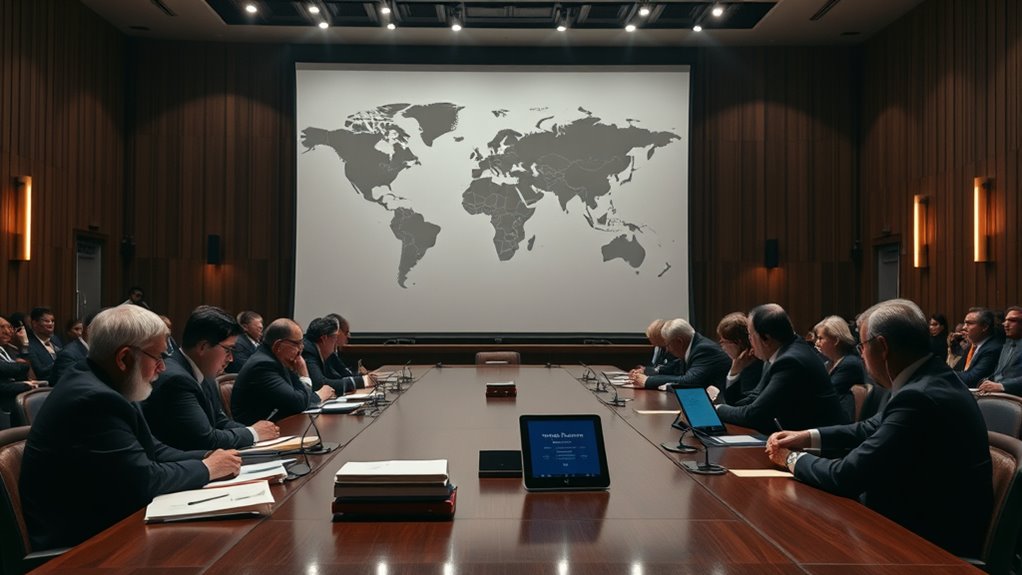

After Geneva 2025, expect that plastics treaty talks will face ongoing hurdles due to strong corporate influence, enforcement challenges, and economic worries from nations. Companies push voluntary measures, making binding agreements hard to secure. Countries also hesitate to enforce standards without clear mechanisms or fear economic fallout. These issues can stall progress further, but understanding these obstacles can help you see what future steps are likely. If you keep exploring, you’ll uncover more about how these challenges might be addressed.

Get beauty and skincare favorites delivered free with Prime
- Fast, free delivery on millions of items
- Prime Video, Amazon Music and more included
- Member-only deals all year
Key Takeaways
- Corporate influence and lobbying efforts have hindered the development of strong, enforceable treaty provisions.
- Enforcement mechanisms remain challenging due to lack of resources, infrastructure, and international consensus.
- Economic and supply chain concerns cause resistance, delaying binding regulations and comprehensive commitments.
- Divergent national interests and fear of economic repercussions complicate negotiations post-Geneva 2025.
- Progress requires managing corporate influence, establishing effective enforcement, and addressing economic and supply chain complexities.

As countries around the world come together to address the mounting plastic pollution crisis, negotiations for a global plastics treaty have gained momentum. However, progress has hit a wall, and the recent Geneva talks highlight the complex hurdles still ahead. One significant obstacle is the pervasive influence of corporations that benefit from the plastic economy. Many multinational companies have deep ties to the production and consumption of plastics, and they often exert substantial influence over negotiations. Their lobbying efforts can shape the treaty’s provisions, often favoring weaker regulations or voluntary measures instead of binding commitments. This corporate influence complicates efforts to establish enforceable standards, as some nations fear economic repercussions or losing access to key markets. Consequently, this dynamic hampers the development of a strong, all-encompassing treaty that effectively curbs plastic pollution.
Enforcement challenges further complicate the negotiations. Even if nations agree on ambitious targets, implementing and monitoring compliance remains a formidable task. Many countries lack the infrastructure or resources needed to enforce regulations or track plastic waste effectively. Without clear enforcement mechanisms, countries might commit to lofty goals on paper but fall short in practice. This creates loopholes that corporations can exploit, undermining the treaty’s overall effectiveness. Additionally, there’s often a lack of international consensus on how to hold violators accountable, which hampers efforts to create a truly enforceable framework. The divergence in national interests and economic priorities makes it even harder to agree on strict enforcement measures, leaving the treaty vulnerable to non-compliance and backsliding. Recognizing the importance of robust enforcement is essential for turning commitments into tangible results.
These issues are compounded by the fact that plastics are deeply embedded in global supply chains, making regulation complex. Many countries fear economic fallout if stricter controls lead to job losses or reduced exports. This economic concern fuels resistance from some nations, further stalling negotiations. The influence of powerful industry players, combined with enforcement challenges, creates a web of obstacles that the international community needs to untangle. Until these issues are addressed, progress towards a meaningful, enforceable plastics treaty remains uncertain. It’s clear that tackling plastic pollution isn’t just about setting targets but also about managing corporate influence and establishing effective enforcement mechanisms. Only then can the global community hope to make real strides in reducing plastic waste and safeguarding the environment.
Frequently Asked Questions
What Are the Main Obstacles to Reaching a Global Plastics Treaty?
You face main obstacles like differing national interests, making it hard to agree on regulations. Recycling innovations are uneven across countries, complicating global standards. Public awareness varies, affecting support for strict measures. These factors stall negotiations, as countries hesitate to commit without clear benefits. To move forward, you need to foster international cooperation, promote recycling innovations, and boost public awareness, encouraging unified action toward a holistic plastics treaty.
How Will Countries With Different Economic Interests Cooperate?
Imagine a vast table where nations sit like puzzle pieces, trying to fit together despite jagged edges. You’ll see trade disputes and economic disparities create cracks in cooperation, yet dialogue and compromise can bridge these gaps. Countries must recognize shared benefits, leveraging diplomacy to turn conflicting interests into common goals. By focusing on long-term environmental health over short-term gains, you can foster collaboration that transcends economic differences, forging a sustainable future together.
What Role Do Corporations Play in Treaty Negotiations?
You should recognize that corporations play a significant role in treaty negotiations through their influence on policies and negotiation strategies. They often leverage their economic power to sway decisions, aiming to protect their interests. By engaging in lobbying and strategic alliances, corporations can shape outcomes, making it essential for negotiators to carefully consider corporate influence and develop strategies that balance industry input with environmental priorities.
How Might Future Technology Impact Plastic Waste Reduction?
Future technology can substantially reduce plastic waste by advancing biodegradable plastics and recycling innovations. You might see more effective biodegradable options that break down easily without harming the environment, and smarter recycling systems that sort and process plastics more efficiently. These innovations could make waste reduction easier for you, encouraging sustainable habits and reducing your environmental footprint, ultimately helping to create a cleaner, healthier planet.
What Are the Legal Implications of a New Plastics Treaty?
You’ll need to understand that a new plastics treaty creates new legal frameworks to regulate plastic production, use, and disposal. The treaty establishes enforcement mechanisms to guarantee compliance across nations, which means countries could face penalties if they don’t follow agreed rules. These legal implications help promote accountability and global cooperation, but they also require clear enforcement strategies to be effective and prevent loopholes that could undermine environmental goals.
Conclusion
As you watch these plastics treaty talks stall, remember that history shows even the toughest negotiations can find a way forward—just like the Allies did during WWII. Though Geneva 2025 seems like a distant dream now, don’t lose hope. You’ve seen how persistence and global effort can turn the tide. Keep pushing for change; the future of our planet depends on it. After all, every great journey begins with a single step, even in the age of dinosaurs.
Halloween Picks
halloween
As an affiliate, we earn on qualifying purchases.