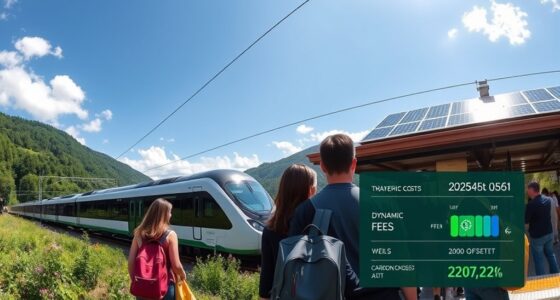
In the 2025 awards season, sustainable design takes center stage, emphasizing renewable energy, eco-friendly materials, and responsible innovation. You’ll notice projects integrating solar panels, wind turbines, and recycled resources that reflect a commitment to environmental responsibility. These designs blend functionality with aesthetic appeal while promoting energy efficiency and resource conservation. If you keep exploring, you’ll discover how these themes are shaping the future of responsible and innovative design practices across the industry.
Key Takeaways
- Emphasis on integrating renewable energy sources like solar panels and wind turbines into award-winning projects.
- Increased use of eco-friendly, recycled, and sustainably sourced materials in design solutions.
- Focus on maximizing natural light and ventilation to enhance energy efficiency and occupant well-being.
- Designs challenge traditional luxury by prioritizing environmental responsibility and circular economy principles.
- Industry trends highlight sustainability as a core value, influencing aesthetic, functional, and innovative aspects of award-winning work.

As the 2025 awards season unfolds, sustainable design themes are taking center stage, reflecting a growing commitment within the industry to environmentally responsible innovation. You’ll notice how designers and architects are increasingly integrating renewable energy sources and eco-friendly materials into their projects. This shift isn’t just about aesthetics; it’s about making a tangible difference in reducing environmental impact while creating stunning, functional spaces. Renewable energy, such as solar panels and wind turbines, is now a common feature in award-winning designs, showcasing a move toward self-sufficient, low-carbon solutions. These innovations not only lower operational costs but also serve as visual statements of sustainability. When you see a building with sleek solar arrays or wind turbines incorporated seamlessly into its architecture, you realize how renewable energy has become a defining element of modern design.
Renewable energy like solar and wind is now a hallmark of award-winning, sustainable design.
Eco-friendly materials are also at the forefront of this season’s themes. You’ll find designers opting for recycled metals, sustainably sourced woods, and biodegradable composites that minimize waste and pollution. These materials are no longer just an afterthought; they’re central to the story of a project, demonstrating how thoughtful choices can enhance both form and function. By prioritizing eco-friendly materials, designers are reducing reliance on non-renewable resources and promoting a circular economy where waste is minimized. When you walk through spaces featuring natural, locally sourced materials, you can sense a conscious effort to connect with nature and reduce environmental footprints. This approach isn’t just trendy—it’s a necessity for future-proofing the built environment.
Incorporating renewable energy and eco-friendly materials sends a clear message: sustainability can be beautiful, innovative, and practical. As you observe the latest award winners, you’ll see how these themes are shaping the industry’s future. These designs challenge traditional notions of luxury and comfort by proving that environmental responsibility enhances, rather than detracts from, aesthetic appeal. You might notice how natural light and ventilation are optimized alongside renewable energy solutions, creating spaces that are both energy-efficient and inviting. This season’s focus on sustainability encourages you to think differently about how spaces are constructed and experienced, emphasizing harmony with the environment.
One notable trend is the use of wall organization systems that incorporate sustainable materials, highlighting how functional and aesthetic elements can coexist responsibly. Ultimately, the 2025 awards season highlights a shift toward conscious design choices that prioritize the planet’s health. By championing renewable energy and eco-friendly materials, you’re witnessing a movement that’s redefining what it means to create responsibly. This isn’t just a trend; it’s a fundamental evolution in how you can contribute to a more sustainable future through thoughtful, innovative design.

FLEXISPOT E3 Solid Wood Dual Motor 71 x 30 Electric Standing Desk Sit Stand Desk, Holds 220 lbs, Adjustable Height w/Memory Presets, Butcher Block Rubberwood Desktop & Black Frame, Ships in 2 Boxes
【DURABLE RUBBER WOOD TOP】: Made from sustainable Hevea Solid Hardwood, this long-lasting, stain-resistant desk surface adds natural elegance...
As an affiliate, we earn on qualifying purchases.
Frequently Asked Questions
How Are Sustainability Metrics Measured for Award Eligibility?
You measure sustainability metrics for award eligibility by evaluating eco-friendly certifications like LEED or BREEAM and calculating the project’s carbon footprint. You guarantee designs meet specific standards for energy efficiency, waste reduction, and sustainable materials. By documenting these credentials and quantifying reductions in emissions, you demonstrate your project’s commitment to sustainability. This evidence helps determine whether your work qualifies for awards emphasizing eco-conscious and innovative sustainable design practices.
What Role Do Emerging Technologies Play in Sustainable Design?
Emerging technologies like smart materials and digital fabrication play a vital role in sustainable design by enabling you to create innovative, resource-efficient solutions. Smart materials adapt to environmental conditions, reducing energy use, while digital fabrication streamlines production, minimizes waste, and allows for precise customization. By integrating these technologies, you can push the boundaries of sustainability, making your designs more resilient, efficient, and aligned with future ecological standards.
How Are Indigenous and Local Practices Integrated Into Sustainable Themes?
You integrate indigenous knowledge and local craftsmanship into sustainable themes by respecting traditional techniques and materials, ensuring cultural authenticity. You collaborate with local communities to incorporate their practices, which promotes preservation and empowers these groups. Using indigenous insights helps create designs that are environmentally sound and culturally meaningful. This approach fosters sustainability, supports local economies, and enriches your projects with unique, time-tested methods that resonate deeply with the community’s heritage.
What Are the Future Trends Beyond 2025 in Sustainable Design?
Looking beyond 2025, you’ll see innovative materials transforming sustainable design, making structures more eco-friendly and resilient. Community engagement will deepen, encouraging local input and fostering a sense of ownership. You’ll notice a shift toward regenerative design, restoring ecosystems rather than just minimizing harm. These trends emphasize collaboration, cutting-edge technology, and nature-based solutions, guiding you to create spaces that are not only sustainable but also vibrant, inclusive, and adaptive for the future.
How Do Award Winners Influence Industry Sustainability Standards?
Award winners influence industry standards by setting a benchmark for sustainable design excellence. When you highlight innovative, eco-friendly projects, you encourage others to adopt similar practices. Your award influence inspires designers and companies to prioritize sustainability, gradually shifting industry norms. As more projects gain recognition, these standards become mainstream, fostering a culture of environmental responsibility and pushing the entire industry toward more sustainable, responsible design practices.
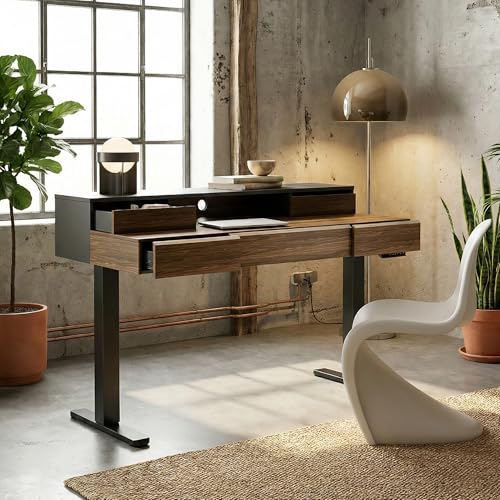
ErGear Electric Standing Desk with 5 Solid Wood Drawers, 48 x 26 Inches Whole Piece Desktop, with Desktop Riser Stand, Compatible with C-Clamp Monitor Arms, Modern Office Desk, Dark Walnut
Premium Electric Standing Desk with Solid Wood Drawers - Electric height adjustable standing desk offers smooth sit-to-stand transitions...
As an affiliate, we earn on qualifying purchases.
Conclusion
As you watch the 2025 awards season unfold, remember the enduring legacy of those who valued sustainability, much like the timeless wisdom of those who built the Parthenon. By embracing eco-conscious design, you’re part of a movement shaping a future where beauty and responsibility go hand in hand. Let this season be a reminder that, like the phoenix rising anew, sustainable choices can inspire lasting change—illuminating the path toward a brighter, greener tomorrow.
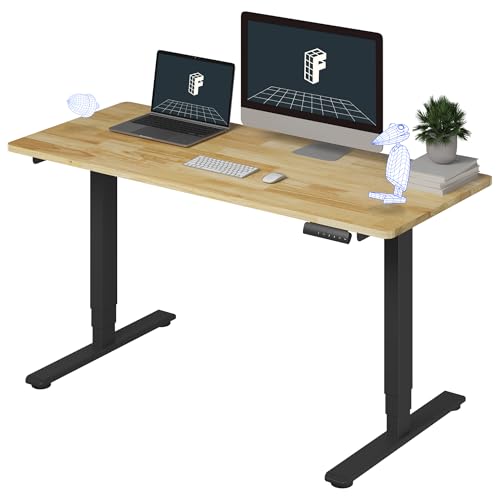
FlexiSpot E6 Solid Wood 3-Stage Dual Motor 55 x 24 Electric Standing Desk, Holds 220 lbs, Adjustable Height w/ Memory Presets, Butcher Block Rubberwood Desktop & Black Frame, Ships in 2 Boxes
【DURABLE RUBBER WOOD TOP】: Made from sustainable Hevea Solid Hardwood, this long-lasting, stain-resistant desk surface adds natural elegance...
As an affiliate, we earn on qualifying purchases.
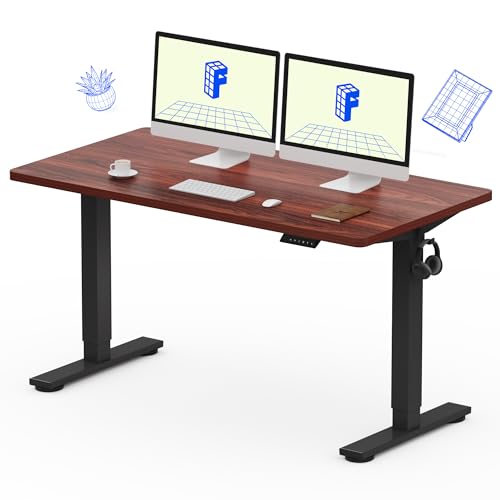
FLEXISPOT EN1 One-Piece Standing Desk with 1-Inch Thick Desktop, 55"x28" Electric Height Adjustable Desk for Home Office & Multi-Device Workstations, Mahogany
ONE-PIECE. ZERO WOBBLE: A seamless, rock-solid desktop built for home offices, creative studios, and designers running multi-monitor setups.
As an affiliate, we earn on qualifying purchases.