Among these fitness trackers, I’d put the Fitbit Charge 6 forward as the best overall choice for a balanced mix of everyday activity and workout tracking. The Garmin vívoactive 5 is a stronger fit for people who want GPS-focused training features, while the Fitbit Inspire 3 keeps things simpler for basic health and movement tracking. The main tradeoffs are whether you want a compact band, a full smartwatch, or a screenless design—and whether you are comfortable with an app, subscription, or a more limited set of metrics. Comfort, battery habits, phone compatibility, and the usefulness of the data matter as much as the feature list. Read on for the full breakdown and help matching a tracker to your priorities.

Get beauty and skincare favorites delivered free with Prime
- Fast, free delivery on millions of items
- Prime Video, Amazon Music and more included
- Member-only deals all year
Complete the kit


Key Takeaways
- The Fitbit Charge 6 is the most balanced pick: It sits between basic bands such as the Inspire 3 and larger smartwatch-style options, making it a sensible place to start for mixed everyday and workout use.
- GPS and training priorities point toward Garmin: The vívoactive 5 is the clearest choice here for buyers who want a fitness-first watch, while the Pixel Watch 5 and Apple Watch Series 12 lean further into smartwatch functions.
- Form factor changes what you will wear: The Oura Ring 5 and Fitbit Air offer less traditional, screen-light approaches, while the Galaxy Fit3 and display-equipped trackers put workout and activity information on the wrist.
- Subscription and app expectations separate the screenless picks: WHOOP 5.0 is built around a membership and ongoing insights; shoppers seeking a simpler setup should check how each device works without paid services.
- Feature counts do not equal reliable guidance: Several budget-style models list many sports modes and health measurements, but buyers should prioritize clear data presentation, compatibility, and trustworthy use over long spec lists.
| Google Fitbit Inspire 3 Fitness Tracker with Small and Large Bands, Midnight Zen/Black |  | Best Overall for Everyday Fitness Tracking | Color: Midnight Zen/Black | Included bands: Small and large | Compatibility: Apple iOS 16.4 or later; Android OS 11.0 or later | VIEW ON AMAZON | See Our Full Breakdown |
| Google Pixel Watch 5 (41mm) – Canyon Wi-Fi | 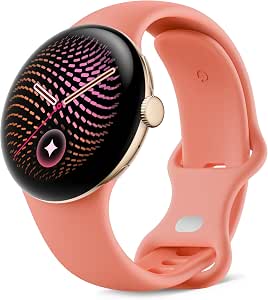 | Best Premium Android Health Companion | Size: 41 mm | Operating system: Android | Display: Domed Actua-360 with Gorilla Glass | VIEW ON AMAZON | See Our Full Breakdown |
| Fitness Tracker Watch with Heart Rate Monitor, No App Required, Pedometer, Sleep Monitor, IP68 Waterproof |  | Best for App-Free Simplicity | Display: 1.3 inches, 240 × 240 resolution | Water resistance: IP68 (listed as 50 meters) | Battery life: 5–7 days | VIEW ON AMAZON | See Our Full Breakdown |
| WHOOP 5.0 Activity Tracker with 12-Month Membership |  | Best for Recovery-Focused Training | Model: WHOOP 5.0 | Membership: 12 months | Display: Screenless | VIEW ON AMAZON | See Our Full Breakdown |
| Fitness Tracker with Heart Rate, Blood Pressure, Sleep Tracking, and 25 Sports Modes |  | Best for a Bright Screen and Broad Health Readouts | Display: 1.1-inch AMOLED touch color screen | Battery life: Up to 7 days regular use; up to 15 days standby | Charging time: 1–2 hours | VIEW ON AMAZON | See Our Full Breakdown |
| Google Fitbit Air Screenless Activity Tracker, Obsidian |  | Best Screenless Tracker | Operating system: Fitbit OS | Band size: One size, 130–210 mm | Band material: Google Performance Loop Band | VIEW ON AMAZON | See Our Full Breakdown |
| Apple Watch Series 12 GPS Smartwatch, 42mm | 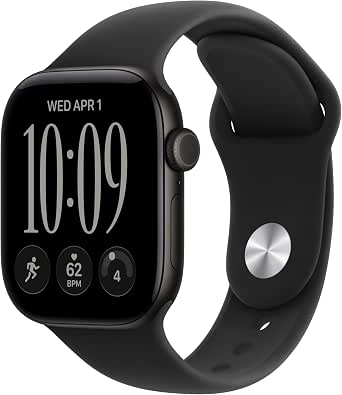 | Best for iPhone-Based Health and Safety Features | Case size: 42 mm | Connectivity: GPS, iPhone, and Wi-Fi | Battery life: Up to 24 hours of normal use | VIEW ON AMAZON | See Our Full Breakdown |
| Oura Ring 5 Smart Ring, Silver, Size 8 |  | Best Wearable for Screen-Free Health Tracking | Material: Titanium | Size: 8 | Health metrics: 50+ | VIEW ON AMAZON | See Our Full Breakdown |
| Samsung Galaxy Fit3 Fitness Tracker, 1.6-Inch AMOLED Display, Black |  | Best for Long Battery Life and On-Wrist Workout Stats | Display: 1.6-inch AMOLED, 320 x 320 | Body material: Aluminum | Weight: 18.5 g | VIEW ON AMAZON | See Our Full Breakdown |
| Zeacool Fitness Tracker with 24/7 Heart Rate, Blood Oxygen, Blood Pressure Sleep Monitor, Activity Tracker 5 ATM Waterproof, Step Calorie Counter Pedometer Smart Watch for Women and Men |  | Best Feature-Packed Entry-Level Pick | Display: 1.1-inch AMOLED HD touchscreen | Battery life: 10-day average; 10–14 days with regular use | Sensors: Heart rate, blood oxygen, blood pressure, and temperature | VIEW ON AMAZON | See Our Full Breakdown |
| Garmin vívoactive 5 Health and Fitness GPS Smartwatch, 42 mm, Black |  | Best for Training Variety | Display: AMOLED | Case size: 42 mm | Battery life: Up to 11 days in smartwatch mode | VIEW ON AMAZON | See Our Full Breakdown |
| Zeacool Fitness Tracker Smart Watch with 24/7 Heart Rate, Blood Oxygen, Sleep Monitor, 123 Sports Modes, IP68 Waterproof |  | Best for Mode Selection | Screen: 1.47-inch AMOLED HD touch screen | Battery life: 10–14 days of use; up to 30 days standby | Compatibility: iPhone and Android | VIEW ON AMAZON | See Our Full Breakdown |
| T7 Smart Watch for Women with Bluetooth Calling, 1.83-Inch HD Touchscreen and Two Bands |  | Best for On-Wrist Calling | Display: 1.83-inch HD touchscreen | Watch faces: More than 100 customizable dials | Connectivity: Bluetooth calling and smart notifications | VIEW ON AMAZON | See Our Full Breakdown |
| Fitness Tracker with 1.10-Inch AMOLED Screen, Heart Rate and Sleep Monitoring |  | Best Compact Option | Display: 1.10-inch AMOLED touchscreen | Health tracking: Heart rate, breathing rate, heart rate variability, sleep, and female health | Activity tracking: Steps, calories, distance, and exercise time | VIEW ON AMAZON | See Our Full Breakdown |
| Fitbit Charge 6 Fitness Tracker – Obsidian/Black |  | Best for Google Services | Color: Obsidian/Black | Band material: Silicone | Case material: Stainless steel | VIEW ON AMAZON | See Our Full Breakdown |
| fitness tracker | Battery life | Water resistance | Compatibility | Display |
|---|---|---|---|---|
| Google Fitbit Inspire 3 Fitnes | — | — | Apple iOS 16.4 or later; Android OS 11.0 or later | — |
| Google Pixel Watch 5 | Up to 40 hours | 50 meters | — | Domed Actua-360 with Gorilla Glass |
| Fitness Tracker Watch with Hea | 5–7 days | IP68 (listed as 50 meters) | iOS 8.0+ / Android 4.0+ with Bluetooth 4.0+ | 1.3 inches, 240 × 240 resolution |
| WHOOP 5.0 Activity Tracker wit | Up to 14+ days | — | — | Screenless |
| Fitness Tracker with Heart Rat | Up to 7 days regular use; up to 15 days standby | Waterproof claim; level unspecified | Android 5.0+ and iOS 9.0+ | 1.1-inch AMOLED touch color screen |
| Google Fitbit Air Screenless A | Up to 7 days | Up to 50 meters | Android 11.0 or higher; Apple iOS 16.4 or higher | — |
| Apple Watch Series 12 GPS Smar | Up to 24 hours of normal use | — | — | — |
| Oura Ring 5 Smart Ring | 6–9 days | 100 meters | iOS and Android smartphones | — |
| Samsung Galaxy Fit3 Fitness Tr | Up to 14 days | 5ATM and IP68; listed depth 1.5 meters | Android devices only; not compatible with iPhone or iOS | 1.6-inch AMOLED, 320 x 320 |
| Zeacool Fitness Tracker with 2 | 10-day average; 10–14 days with regular use | 5 ATM | iPhone and Android smartphones | 1.1-inch AMOLED HD touchscreen |
| Garmin vívoactive 5 Health and | Up to 11 days in smartwatch mode | — | — | AMOLED |
| Zeacool Fitness Tracker Smart | 10–14 days of use; up to 30 days standby | — | iPhone and Android | — |
| T7 Smart Watch for Women with | Up to 10 days | IP67; not suitable for swimming or hot showers | — | 1.83-inch HD touchscreen |
| Fitness Tracker with 1.10-Inch | Up to 7 days; up to 15 days standby | IP68 | Android 5.0 or later; iOS 9.0 or later | 1.10-inch AMOLED touchscreen |
| Fitbit Charge 6 Fitness Tracke | — | 50 meters | — | — |
More Details on Our Top Picks
Google Fitbit Inspire 3 Fitness Tracker with Small and Large Bands, Midnight Zen/Black
I’d make the Fitbit Inspire 3 my everyday pick for buyers who want activity, sleep, and stress tracking without the smartwatch bulk. Its 40+ exercise modes, automatic sleep tracking, Sleep Score, and Daily Readiness Score give a more rounded routine picture than the simpler nine-mode tracker in this lineup. The included small and large bands also make fit easier to tailor. Compared with the WHOOP 5.0, the Inspire 3 adds an on-device display and avoids the listed 12-month membership requirement, though WHOOP offers longer battery life and a stronger focus on recovery coaching. The tradeoff is that the Fitbit requires a recent phone operating system, and some health features vary by region. I’d choose it for balanced daily tracking, not advanced outdoor navigation or a full smartwatch experience.
Pros:- Tracks activity and heart rate throughout the day, alongside stress and sleep metrics
- Offers more than 40 exercise modes and automatic exercise tracking
- Includes sleep scoring, a vibrating smart wake alarm, and sleep mode
- Comes with small and large bands and supports recent iOS and Android devices
Cons:- Requires iOS 16.4 or later or Android 11.0 or later
- Some health features may not be available in every region
- Does not provide the more focused recovery coaching or longer battery life listed for WHOOP 5.0
Best for: Everyday walkers and fitness beginners who want sleep, stress, heart-rate, and varied workout tracking in a compact band.
Not ideal for: People using older phones or seeking built-in GPS, advanced training tools, or full smartwatch functions.
- Color:Midnight Zen/Black
- Included bands:Small and large
- Compatibility:Apple iOS 16.4 or later; Android OS 11.0 or later
- Exercise modes:40+
- Health and activity tracking:Activity, heart rate, stress, SpO2, menstrual health, and irregular heart rhythm notifications
- Sleep features:Automatic sleep tracking, Sleep Score, vibrating smart wake alarm, and sleep mode
Our verdict“Choose the Inspire 3 for a balanced, approachable fitness tracker with broad daily and sleep tracking, provided your phone meets its compatibility requirements.”
Google Pixel Watch 5 (41mm) – Canyon Wi-Fi
The Google Pixel Watch 5 is the premium pick here for Android users who want fitness and health tracking wrapped in a smartwatch-style experience. Its Google Health integration supports personalized fitness plans, while heart-rate monitoring, sleep scoring, and pulse-loss detection extend beyond the basics offered by the Fitbit Inspire 3. The 41 mm domed display is protected by scratch-resistant Gorilla Glass, and the listed battery life reaches up to 40 hours. That is more smartwatch functionality than the screenless WHOOP 5.0, but WHOOP lasts up to 14 days and puts recovery tracking first. The Pixel Watch’s largest fitness limitation is more direct: it has no built-in GPS, so it is a weaker choice for mapping outdoor workouts without relying on another device. It also works with Android only.
Pros:- Combines heart-rate and sleep tracking with pulse-loss detection
- Google Health integration provides personalized fitness plans
- Domed Actua-360 display uses scratch-resistant Gorilla Glass
- Up to 40 hours of listed battery life and 50-meter water resistance
Cons:- No built-in GPS limits independent outdoor route tracking
- Android-only compatibility excludes iPhone users
- Shorter listed battery life than the screenless WHOOP 5.0
Best for: Android users who want health insights and fitness plans on a premium smartwatch display, and who do not need built-in GPS.
Not ideal for: iPhone owners or runners and cyclists who want the watch itself to record GPS routes.
- Size:41 mm
- Operating system:Android
- Display:Domed Actua-360 with Gorilla Glass
- Battery life:Up to 40 hours
- Weight:31 g
- Storage capacity:64 GB
- Water resistance:50 meters
- GPS:No built-in GPS
- Health sensors:Heart rate, sleep tracking, and pulse-loss detection
Our verdict“Pick the Pixel Watch 5 if you want a premium Android health smartwatch and can accept phone-dependent outdoor tracking.”
Fitness Tracker Watch with Heart Rate Monitor, No App Required, Pedometer, Sleep Monitor, IP68 Waterproof
This tracker’s defining advantage is straightforward: basic tracking works without a smartphone app. That makes it a useful fit for buyers who want steps, heart rate, and sleep information without setting up another account or phone connection. It offers nine sport modes, automatic heart-rate and sleep monitoring, call and message notifications, and a 5–7 day battery life. Compared with the Fitbit Inspire 3, it has fewer exercise modes and less detailed sleep tooling, but it supports much older iOS and Android versions. Its 1.3-inch screen also gives the wearer a larger display than a slim band. The tradeoffs are the lack of built-in GPS and the inability to place or answer calls from the watch. I’d treat the IP68 claim as useful for water exposure, not as a substitute for route-tracking features.
Pros:- Provides basic fitness tracking without requiring a smartphone app
- Lists 5–7 days of battery life and a two-hour charging time
- Includes automatic heart-rate and sleep monitoring with nine sport modes
- IP68 water-resistance rating is listed for everyday active use
Cons:- No built-in GPS for recording outdoor routes
- Cannot make or receive phone calls directly from the watch
- Offers fewer sport modes and sleep features than the Fitbit Inspire 3
Best for: People who want basic step, heart-rate, and sleep tracking on the wrist without needing an app for core functions.
Not ideal for: Outdoor runners who need GPS routes or buyers who want a wide selection of workout modes and detailed coaching.
- Display:1.3 inches, 240 × 240 resolution
- Water resistance:IP68 (listed as 50 meters)
- Battery life:5–7 days
- Charging time:2 hours
- Sport modes:9
- Compatibility:iOS 8.0+ / Android 4.0+ with Bluetooth 4.0+
- GPS:No
- Materials:Silicone band and stainless steel case
Our verdict“Choose this model for uncomplicated, app-free basic tracking, but look elsewhere for GPS or a broader training toolkit.”
WHOOP 5.0 Activity Tracker with 12-Month Membership
The WHOOP 5.0 takes a different approach from the display-led trackers in this roundup: it is screenless, worn around the clock, and centered on strain, sleep, and recovery. Its 12-month membership includes personalized coaching and insights covering heart rate, VO2 max, stress, and menstrual-cycle tracking. Up to 14 days of battery life and the included waterproof wireless PowerPack suit people who want continuous monitoring with fewer charging breaks. Compared with the Fitbit Inspire 3, WHOOP offers a more training-oriented recovery lens but gives up the glanceable screen, smart wake alarm, and listed exercise-mode count. Membership dependence is a real commitment, not a minor detail, and this is a poor match for anyone who wants on-device notifications or quick workout stats. I’d rank it for training insight rather than general-purpose convenience.
Pros:- Tracks activity, sleep, strain, and recovery around the clock
- Includes personalized coaching and insights through a 12-month membership
- Up to 14+ days of listed battery life
- Package includes a SuperKnit band and waterproof wireless PowerPack
Cons:- Screenless design does not provide on-device stats or notifications
- Coaching and insights require the included membership
- Less suited than the Fitbit Inspire 3 to buyers seeking a conventional display-led tracker
Best for: Consistent exercisers who want ongoing recovery and strain insights, personalized coaching, and long battery life.
Not ideal for: Buyers who want a screen, on-device notifications, or fitness insights without a membership.
- Model:WHOOP 5.0
- Membership:12 months
- Display:Screenless
- Battery life:Up to 14+ days
- Health tracking:Heart rate, sleep, strain, recovery, VO2 max, stress, and menstrual cycle
- Included components:Tracker, SuperKnit band, wireless waterproof PowerPack, and quick start guide
- Connectivity:Apple Health, Google Health Connect, Strava, and Natural Cycles
- Warranty:Lifetime warranty
Our verdict“Choose WHOOP 5.0 if recovery-focused coaching matters more to you than a screen and you are comfortable with membership-based insights.”
Fitness Tracker with Heart Rate, Blood Pressure, Sleep Tracking, and 25 Sports Modes
This tracker aims to put a wide set of readings on your wrist: heart rate, blood pressure, blood oxygen, and sleep analysis, displayed on a 1.1-inch AMOLED touchscreen. Its 25 sports modes give it more workout variety than the nine-mode app-free tracker, while its up to seven-day battery life avoids daily charging. Magnetic charging is also convenient for topping it up between workouts. Compared with the Fitbit Inspire 3, it offers a clearly specified AMOLED screen and lists blood-pressure tracking, but Fitbit provides 40+ exercise modes and more developed sleep features in the supplied data. The major caution is that the water-resistance level is unspecified, so I would not choose it for swimming based on this listing alone. Full functionality and notifications also rely on a smartphone connection.
Pros:- 1.1-inch AMOLED touchscreen presents readings on a color display
- Lists heart-rate, blood-pressure, blood-oxygen, and sleep tracking
- Supports 25 sports modes
- Up to seven days of regular-use battery life with magnetic charging
Cons:- Water-resistance level is not specified, making swim suitability unclear
- Full functionality and notifications require a smartphone connection
- Has fewer listed sports modes than the Fitbit Inspire 3 and no listed GPS
Best for: Phone-connected users who want a color AMOLED display, multiple health readouts, and a moderate range of workout modes.
Not ideal for: Swimmers or buyers who need a clearly defined water-resistance rating, GPS, or app-independent functionality.
- Display:1.1-inch AMOLED touch color screen
- Battery life:Up to 7 days regular use; up to 15 days standby
- Charging time:1–2 hours
- Sports modes:25
- Compatibility:Android 5.0+ and iOS 9.0+
- Connectivity:Bluetooth
- Health features:Heart rate, blood pressure, blood oxygen, and sleep tracking
- Additional features:Sedentary and water reminders, alarm, stopwatch, remote photo, and find device
- Water resistance:Waterproof claim; level unspecified
Our verdict“Pick this tracker for its AMOLED screen and range of health readouts, but skip it if you need reliable swim guidance or phone-free tracking.”
Google Fitbit Air Screenless Activity Tracker, Obsidian
The Fitbit Air is the lineup’s clearest choice for people who want activity and sleep tracking without a display competing for their attention. Its screenless design and adjustable loop band suit all-day and overnight wear, while heart-rate, sleep, skin-temperature, and SpO2-related sensors cover more than basic step counting. Battery life of up to seven days is a practical middle ground: it needs charging less often than the Apple Watch Series 12, though the Galaxy Fit3 lasts longer on its stated battery estimate. The tradeoff is that this tracker relies on a phone for GPS, and personalized coaching requires a separate Google Health Premium subscription. I’d choose it for quiet, continuous tracking, not for checking workout stats on your wrist.
Pros:- Screenless design is suited to unobtrusive wear, including during sleep.
- Tracks activity, heart rate, sleep, and additional health metrics.
- Up to seven days of battery life, with quick charging for a day’s use in five minutes.
- Water resistant to 50 meters.
Cons:- GPS requires a compatible smartphone.
- Personalized coaching requires a separately sold subscription.
- No display for viewing stats or workout progress on the wrist.
Best for: People who prioritize discreet overnight and all-day health tracking over an on-wrist screen.
Not ideal for: Runners who want built-in GPS or anyone who wants to view workout stats and notifications directly on the tracker.
- Operating system:Fitbit OS
- Band size:One size, 130–210 mm
- Band material:Google Performance Loop Band
- Battery life:Up to 7 days
- Water resistance:Up to 50 meters
- GPS:Via smartphone
- Compatibility:Android 11.0 or higher; Apple iOS 16.4 or higher
- Health sensors:Optical heart rate monitor, accelerometer, gyroscope, skin temperature sensor, and red and infrared sensors for SpO2 monitoring
Our verdict“Choose the Fitbit Air if you want a low-profile tracker for continuous health and sleep data and can do without a screen or built-in GPS.”
Apple Watch Series 12 GPS Smartwatch, 42mm
The Apple Watch Series 12 is the most smartwatch-oriented option here, pairing workout tracking with health insights and safety features such as fall and severe car crash detection. It goes beyond the screenless Fitbit Air by putting workout information and connected features on your wrist, making it better for people who want an interactive companion as well as a tracker. Heart rate, HRV, sleep, blood oxygen, and menstrual-cycle tracking broaden its health picture, while GPS connectivity suits outdoor activity. The main compromise is up to 24 hours of normal-use battery life, far shorter than the Galaxy Fit3’s stated 14 days or the Oura Ring 5’s 6–9 days. Some features also depend on a nearby iPhone, so this is a poor fit for Android users or anyone seeking a tracker they can wear for several nights without charging.
Pros:- Tracks heart rate, HRV, sleep, blood oxygen, menstrual cycles, and workouts.
- Provides health and daily-readiness insights.
- Includes fall and severe car crash detection.
- Fast charging provides up to 12 hours of normal use after 15 minutes.
Cons:- Up to 24 hours of normal-use battery life is shorter than the Fitbit Air, Oura Ring 5, and Galaxy Fit3 estimates.
- Some features require a nearby iPhone.
- Some Siri and Audio Intelligence features are rolling out later.
Best for: iPhone owners who want workout tracking, on-wrist health insights, and fall or car-crash detection in one device.
Not ideal for: Android users or people who want multi-day battery life and minimal charging interruptions.
- Case size:42 mm
- Connectivity:GPS, iPhone, and Wi-Fi
- Battery life:Up to 24 hours of normal use
- Fast charging:15 minutes for up to 12 hours of normal use
- Weight:9.6 ounces
- Model number:MJEA4LS/A
- Manufacturer:Apple
Our verdict“Pick the Apple Watch Series 12 if you use an iPhone and value interactive health and safety features more than long battery life.”
Oura Ring 5 Smart Ring, Silver, Size 8
The Oura Ring 5 takes fitness tracking in a different direction from wristbands and watches: its titanium ring tracks more than 50 health metrics without adding a screen to your wrist. That form can suit people who want detailed sleep, stress, activity, heart-health, and women’s-health data while avoiding a watch-style display. Its 6–9 day battery life also outlasts the Apple Watch Series 12’s stated daily-use runtime. Compared with the Fitbit Air, Oura offers a wider stated set of tracked metrics and compatibility with both iOS and Android, but the ring requires careful sizing and a paid membership after the included first month for new members. It is less suited to buyers who want workout controls or live stats on their wrist; the Galaxy Fit3’s AMOLED screen makes that information easier to check during activity.
Pros:- Tracks more than 50 health metrics across sleep, activity, stress, heart health, and women’s health.
- Battery life is listed at 6–9 days.
- Titanium construction is described as scratch-resistant.
- Works with iOS and Android smartphones.
Cons:- Requires sizing with the dedicated Oura Ring 5 Sizing Kit.
- Membership is required after the included first month for new members.
- No display for viewing workout metrics directly on the ring.
Best for: People who want a discreet ring for broad sleep and health tracking and are comfortable with membership-based access after the included first month.
Not ideal for: Buyers who need a visible workout display, prefer a simple no-subscription setup, or do not want to size a ring before purchase.
- Material:Titanium
- Size:8
- Health metrics:50+
- Battery life:6–9 days
- Water resistance:100 meters
- Connectivity:Bluetooth
- Compatibility:iOS and Android smartphones
- Membership:First month included for new members; subscription afterward
Our verdict“Choose the Oura Ring 5 if you want broad, screen-free health tracking and accept the sizing process and ongoing membership requirement.”
Samsung Galaxy Fit3 Fitness Tracker, 1.6-Inch AMOLED Display, Black
The Galaxy Fit3 is a strong pick for Android users who want a readable tracker and fewer charging stops. Its 1.6-inch AMOLED display gives workout stats and health readings a clear home on the wrist, unlike the screenless Fitbit Air or the display-free Oura Ring 5. It also lists up to 14 days of battery life, more than the Fitbit Air’s seven days and the Apple Watch Series 12’s 24 hours of normal use. More than 100 workout modes and sleep, heart-rate, blood-oxygen, and snore tracking make it versatile for everyday monitoring. The key drawbacks are compatibility and support: this international model is Android-only, has no US warranty, and lacks Samsung Pay. It also has no GPS, so phone-free route tracking is not its strength.
Pros:- Bright 1.6-inch AMOLED touchscreen makes on-wrist stats easy to read.
- Up to 14 days of battery life is longer than the Fitbit Air and Apple Watch Series 12 estimates.
- Tracks more than 100 workout modes and several health metrics.
- Lightweight aluminum body weighs 18.5 g.
Cons:- Android devices only; not compatible with iPhone or iOS.
- International model has no US warranty.
- No GPS and no Samsung Pay support.
Best for: Android users who want an affordable-feeling, screen-equipped tracker with many workout modes and long stated battery life.
Not ideal for: iPhone owners, buyers who need built-in GPS or Samsung Pay, and shoppers who require a US warranty.
- Display:1.6-inch AMOLED, 320 x 320
- Body material:Aluminum
- Weight:18.5 g
- Battery life:Up to 14 days
- Water resistance:5ATM and IP68; listed depth 1.5 meters
- Workout modes:101+ with auto detection
- Compatibility:Android devices only; not compatible with iPhone or iOS
- GPS:No GPS
Our verdict“Choose the Galaxy Fit3 if you use Android and want an AMOLED screen, extensive workout modes, and long battery life, but skip it if warranty coverage or GPS is a priority.”
Zeacool Fitness Tracker with 24/7 Heart Rate, Blood Oxygen, Blood Pressure Sleep Monitor, Activity Tracker 5 ATM Waterproof, Step Calorie Counter Pedometer Smart Watch for Women and Men
The Zeacool Fitness Tracker packs a range of health and lifestyle tools into a compact 1.1-inch AMOLED band, including continuous heart-rate, blood-oxygen, and blood-pressure monitoring, sleep scoring, and 25 sport modes. It works with both iPhone and Android, giving it broader phone compatibility than the Android-only Galaxy Fit3. Its listed 10-day average battery life is also more than the Apple Watch Series 12’s stated 24 hours, though the Zeacool’s battery can fall to about 10 days with active use. The tradeoff is that the feature list is broad, but the supplied details do not establish the depth or accuracy of its health insights. It also offers fewer sport modes than the Galaxy Fit3’s 101+ and lacks the Fitbit Air’s screenless approach. I’d pick it for basic tracking and handy extras, not for a polished training analysis setup.
Pros:- Tracks heart rate, blood oxygen, blood pressure, and sleep.
- Works with both iPhone and Android smartphones.
- Listed average battery life is 10 days, with regular use described as 10–14 days.
- 5 ATM water resistance is suited to swimming and everyday water exposure.
Cons:- Active use may bring battery life to about 10 days.
- Its 25 sport modes are fewer than the Galaxy Fit3’s 101+ modes.
- The supplied product details do not specify GPS support.
Best for: Budget-minded iPhone or Android users who want a small-screen tracker with common health features, sleep scoring, and everyday alerts.
Not ideal for: Athletes who want a very broad set of workout modes or buyers seeking detailed training analysis and well-documented health insights.
- Display:1.1-inch AMOLED HD touchscreen
- Battery life:10-day average; 10–14 days with regular use
- Sensors:Heart rate, blood oxygen, blood pressure, and temperature
- Sport modes:25
- Water resistance:5 ATM
- Compatibility:iPhone and Android smartphones
- Color:Bordeaux
Our verdict“Choose the Zeacool if you want a broadly compatible tracker with a useful mix of everyday health features, but look elsewhere for extensive workout modes or clearly specified GPS.”
Garmin vívoactive 5 Health and Fitness GPS Smartwatch, 42 mm, Black
The Garmin vívoactive 5 is the strongest fit here for people who want a fitness tracker that can also support structured, varied workouts. Its built-in GPS records outdoor activity without requiring a phone, while more than 30 sports apps and training tools give it broader exercise coverage than the 25 modes on the compact AMOLED tracker in this lineup. The colorful screen and health and sleep tracking round out a capable everyday wearable.
Its up to 11-day battery life also means less frequent charging than the Fitbit Charge 6, though battery performance depends on use. The tradeoff is that this is a smartwatch-sized commitment: some smart features need a paired phone, and health metrics are estimates, not medical measurements. Choose it for flexible training and standalone GPS; skip it if you want a simple, low-feature band.
Pros:- Built-in GPS can record outdoor workouts without carrying a phone
- More than 30 sports apps support a wide range of activities
- Up to 11 days of smartwatch-mode battery life
- AMOLED display, music storage, and Garmin Pay add useful everyday functions
Cons:- Some smart features depend on a paired smartphone
- Health metrics are estimates and should not be treated as medical readings
Best for: People who switch among several sports and want built-in GPS, training tools, and health tracking in one watch
Not ideal for: Buyers seeking a basic step-and-sleep band or a tracker whose smart features work without a paired smartphone
- Display:AMOLED
- Case size:42 mm
- Battery life:Up to 11 days in smartwatch mode
- GPS:Built-in
- Sports apps:More than 30
- Connectivity:Bluetooth, USB, Wi-Fi
- Weight:1.31 ounces
Our verdict“Choose the vívoactive 5 if training variety and phone-free GPS matter more than a simpler, band-style tracker.”
Zeacool Fitness Tracker Smart Watch with 24/7 Heart Rate, Blood Oxygen, Sleep Monitor, 123 Sports Modes, IP68 Waterproof
The Zeacool Fitness Tracker is for buyers who want lots of activity choices and frequent health readings without moving up to a more training-focused watch such as the Garmin vívoactive 5. Its 123 sport modes give it a much longer menu of activities than Garmin’s more than 30 apps, while heart rate, blood oxygen, temperature, and sleep monitoring cover a broad set of everyday metrics. The 1.47-inch AMOLED screen is also larger than the compact display on the 1.10-inch tracker in this roundup.
Up to two weeks of battery life and magnetic fast charging make it practical for regular wear, and IP68 protection suits rain and water exposure. But the many functions may take time to learn, battery life can fall with heavy sensor use, and the Da Fit app is a platform tradeoff versus Garmin’s more developed training tools. Its readings are not a substitute for medical advice.
Pros:- 123 sport modes offer extensive activity selection
- Tracks heart rate, blood oxygen, temperature, and sleep
- Battery life is listed at 10–14 days, with magnetic fast charging
- IP68 protection and compatibility with iPhone and Android
Cons:- The large feature set may feel confusing to beginners
- Battery life can vary with frequent sensor use
- Relies on the Da Fit app, whose functionality may be limited compared with other platforms
Best for: Buyers who want a broad menu of sports modes, several everyday health sensors, and a large AMOLED screen
Not ideal for: People who want a streamlined setup, advanced training guidance, or a more established companion app
- Screen:1.47-inch AMOLED HD touch screen
- Battery life:10–14 days of use; up to 30 days standby
- Compatibility:iPhone and Android
- Sensors:Heart rate, blood oxygen, temperature, and sleep monitoring
- Sport modes:123
- Charging:Magnetic fast charging
- Water protection:IP68
Our verdict“Pick the Zeacool if a wide choice of workout modes matters more than a simpler interface or stronger training ecosystem.”
T7 Smart Watch for Women with Bluetooth Calling, 1.83-Inch HD Touchscreen and Two Bands
The T7 Smart Watch puts communication ahead of workout precision. Its standout is Bluetooth calling: you can answer or make calls from the watch, alongside message and app notifications. That makes it a better match for buyers who want to stay reachable than the Garmin vívoactive 5, which is more compelling for varied training and built-in GPS. The T7 also tracks sleep, heart rate, blood oxygen, stress, menstrual cycles, and multiple workouts, with a large 1.83-inch screen and two included bands.
Its up to 10-day battery life suits everyday wear, but there is no GPS, so route tracking relies on a phone or other source. IP67 water resistance is also more limited than the IP68 protection listed for the Zeacool tracker, and this model is not suitable for swimming or hot showers. Choose it for calls and notifications; skip it if outdoor workout mapping or swim tracking is a priority.
Pros:- Bluetooth calling supports making and answering calls from the watch
- Tracks heart rate, sleep, stress, blood oxygen, and menstrual cycles
- Large 1.83-inch touchscreen with more than 100 customizable watch faces
- Up to 10 days of battery life and two included bands
Cons:- No GPS for standalone route tracking
- IP67 water resistance is not suitable for swimming or hot showers
- Accuracy of the health measurements is not independently established in the supplied product details
Best for: People who want to take calls from their wrist and track everyday activity, sleep, and menstrual cycles
Not ideal for: Runners who want built-in GPS or swimmers who need a tracker rated for swimming
- Display:1.83-inch HD touchscreen
- Watch faces:More than 100 customizable dials
- Connectivity:Bluetooth calling and smart notifications
- Health tracking:Heart rate, blood oxygen, stress, sleep, and menstrual cycle tracking
- GPS:No GPS
- Water resistance:IP67; not suitable for swimming or hot showers
- Battery life:Up to 10 days
- Included bands:2
Our verdict“Choose the T7 if wrist-based calling is more useful to you than built-in GPS or swim-ready water resistance.”
Fitness Tracker with 1.10-Inch AMOLED Screen, Heart Rate and Sleep Monitoring
This 1.10-inch AMOLED tracker keeps the focus on core activity and health monitoring in a smaller-screen format. It records steps, calories, distance, exercise time, heart rate, breathing rate, heart rate variability, and sleep, with 25 sports modes for common workouts. Compared with the larger-screen Zeacool Fitness Tracker, it offers fewer modes and less display space, but that narrower setup may suit buyers who prefer a compact band over a feature-heavy watch.
Connected GPS can add route data for outdoor sessions, although it requires a phone; the Garmin vívoactive 5 has built-in GPS for workouts without one. IP68 water resistance and up to seven days of battery life round out the practical basics. The tradeoffs are a shorter listed battery life than several options here and health measurements expressly described as reference-only. Pick it for a compact, everyday tracker, not standalone navigation or medical-grade readings.
Pros:- Compact 1.10-inch AMOLED touchscreen
- Tracks heart rate, breathing rate, heart rate variability, sleep, and activity
- Includes 25 sports modes and connected GPS
- IP68 water resistance and up to seven days of battery life
Cons:- GPS requires a connected phone
- Health measurements are for reference only, not medical advice
Best for: Buyers who prefer a compact AMOLED tracker for everyday activity, sleep, and phone-connected outdoor workouts
Not ideal for: Runners who leave their phone behind or shoppers seeking a larger display, longer battery life, or medical-grade readings
- Display:1.10-inch AMOLED touchscreen
- Health tracking:Heart rate, breathing rate, heart rate variability, sleep, and female health
- Activity tracking:Steps, calories, distance, and exercise time
- Sports modes:25
- GPS:Connected GPS
- Water resistance:IP68
- Battery life:Up to 7 days; up to 15 days standby
- Compatibility:Android 5.0 or later; iOS 9.0 or later
Our verdict“Choose this tracker for a compact, phone-connected daily wearable, but opt for the vívoactive 5 if you need standalone GPS.”
Fitbit Charge 6 Fitness Tracker – Obsidian/Black
The Fitbit Charge 6 is the natural pick for buyers who want a band-style fitness tracker with built-in GPS and useful Google integrations. It has 40+ exercise modes and 24/7 heart rate monitoring, while Google Maps, Wallet, and YouTube Music connect activity tracking with familiar phone services. Compared with the Garmin vívoactive 5, the Charge 6 emphasizes Fitbit health insights and Google features rather than Garmin’s more than 30 sports apps and training tools.
Its stainless steel case, silicone band, and 50-meter water resistance suit daily wear and swimming better than the T7, which is not swimming-ready. The tradeoffs are that some advanced insights are tied to a separately sold Google Health Premium subscription after the included trial, and the supplied details flag more limited compatibility outside Google and Android ecosystems. Choose it for GPS and Google integration; skip it if you want fewer platform ties.
Pros:- Built-in GPS and more than 40 exercise modes
- Google Maps, Wallet, and YouTube Music integrations
- Tracks heart rate, sleep, and stress-related insights
- 50-meter water resistance
Cons:- Google Health Premium is sold separately after the included trial
- Compatibility with non-Google and Android ecosystems is more limited than some alternatives
Best for: Android and Google-services users who want built-in GPS, exercise tracking, and Fitbit sleep and stress insights
Not ideal for: Buyers seeking broad compatibility across non-Google ecosystems or those unwilling to depend on a subscription for some advanced insights
- Color:Obsidian/Black
- Band material:Silicone
- Case material:Stainless steel
- Water resistance:50 meters
- Connectivity:Bluetooth, Wi-Fi
- Sensors:Heart rate, SpO2, accelerometer, gyroscope, GPS, temperature, ambient light
- Exercise modes:More than 40
- Operating system:Android Wear 1.0
Our verdict“Choose the Charge 6 if Google services and built-in GPS are priorities, and check that its platform limits suit your phone setup.”

How We Picked
I compared these 15 fitness trackers by how well their design and features suit real routines: daily activity, workouts, sleep tracking, comfort, and the ease of reviewing results. I also weighed practical factors that shape long-term use, including phone compatibility, screen and controls, water resistance claims, charging habits, and whether core insights depend on an app or membership. A tracker that is easy to wear and understand can be more useful than one with an impressive list of measurements that a buyer cannot interpret.
The ranking favors balanced fitness usefulness and day-to-day usability, then accounts for specialist strengths. The Fitbit Charge 6 leads as a versatile band, while Garmin’s vívoactive 5 ranks well for training-focused buyers and simpler bands suit people who want fewer distractions. Smartwatches rank differently because their broader phone features can add convenience but also make them less focused as trackers. For products whose listings make broad health or sports claims, I treat those claims cautiously and favor checking app requirements, compatibility, and measurement limitations before buying.
Factors to Consider When Choosing Fitness Trackers
Before choosing among these fitness trackers, decide what you need the device to do repeatedly—not what sounds impressive on a feature list. These broader checks can prevent a poor fit even when a tracker appears to match your goals.
Choose the Form You Will Wear All Day
A wrist band, smartwatch, ring, and screenless tracker each make different compromises. A larger display is convenient for checking workout stats, but it can feel bulky during sleep or strength training. Rings avoid a screen and may feel less like a gadget, though they are not a natural choice for everyone and can be awkward during some activities involving grips or weights. Screenless designs reduce visual distractions but ask you to rely more heavily on a phone app for feedback. Try to match the shape to your most common activity and sleep habits, rather than choosing by appearance alone.
Match Tracking Features to Your Actual Workouts
Start with the activities you do most often and check whether the tracker records them in a useful way. A long list of sports modes may only change the label on a workout, while GPS support and clear workout summaries can matter more to runners or cyclists. If you mainly walk, track general movement, and monitor sleep, a simpler band may cover your needs without smartwatch complexity. Think about whether you need route information, workout prompts, or just a record of activity over time. Paying for features you rarely use can add bulk and setup without improving your routine.
Check Phone Compatibility and App Dependence
A tracker’s value depends partly on whether its app works smoothly with your phone and presents data in a way you can understand. Before buying, verify operating-system compatibility and check whether features such as notifications, syncing, or workout history are limited on your device. Some products rely on an account or membership for deeper insights, while others are marketed for use with little or no app involvement. “No app required” can sound convenient, but it may also mean fewer ways to review trends or export information. Decide how much setup and ongoing software use you are willing to accept.
Treat Health Measurements as Estimates, Not Diagnoses
Wrist and wearable readings can help show patterns, but they are not a substitute for medical equipment or professional advice. Be especially cautious when a listing promotes measurements such as blood pressure or blood oxygen without explaining how they are gathered or what limitations apply. A consistent trend may be useful for personal awareness, but a single reading should not drive a health decision. If you have a medical reason to monitor a measurement, ask a clinician which tools are appropriate and how to interpret results. This is a better safeguard than choosing based on the number of health metrics advertised.
Plan for Charging, Water, and Long-Term Wear
Charging routines can decide whether tracking feels effortless or becomes another chore. A device that needs frequent charging may miss sleep or overnight data if you usually charge it before bed, so check manufacturer battery guidance alongside your own habits. Water-resistance labels also have limits: confirm what the manufacturer permits for swimming, showering, or exposure to hot water rather than assuming every waterproof claim means the same thing. Fit matters over months, not just at first wear, and bands that irritate skin or snag during exercise can end up unused. Look into replacement-band availability and charging accessories before settling on a model.
Pay More Only for Benefits You Will Use
Higher-cost devices can add GPS, richer training tools, polished smartwatch functions, or membership-based analysis, but those extras only help if they fit your routine. A premium watch may make sense if you want workout guidance and phone features on one device; it is harder to justify if your main goal is step and sleep tracking. Remember to count ongoing membership costs and the time required to interpret extra data, not only the device itself. Conversely, a very basic tracker may be a false economy if it lacks the app support or workout recording you need. Write down your two or three must-haves before comparing features.
Frequently Asked Questions
Should I choose a fitness band or a smartwatch for tracking workouts?
Choose a band if your priority is activity, sleep, and workout tracking in a smaller, simpler device. A smartwatch is a better fit when you also want a larger screen, phone notifications, and broader everyday functions. In this lineup, the Fitbit Charge 6 and Inspire 3 represent more focused band-style choices, while the Apple Watch Series 12 and Pixel Watch 5 add smartwatch capabilities. Those extra functions may mean more interaction and a different charging routine. Let your daily use—not the longest feature list—settle the choice.
Do I need built-in GPS in a fitness tracker?
Built-in GPS is most useful if you want route and distance records without bringing your phone along. If you exercise with your phone and mainly want a record of time, heart-rate trends, or general activity, connected GPS or a simpler tracker may be enough. Training-focused buyers may get more value from the Garmin vívoactive 5 than from a basic band, while casual walkers may not notice the difference often. Check whether a model uses its own GPS or depends on a connected phone. That detail can change both convenience and battery use.
Are fitness trackers that advertise blood pressure readings suitable for health monitoring?
I would not choose a wearable as a replacement for a validated blood-pressure monitor or medical guidance. Listings that advertise blood pressure, including some budget-style options in this roundup, may not explain the limitations or suitability of the readings clearly. Treat those numbers as potentially limited wellness information unless the manufacturer provides credible details about validation and intended use. If you need to monitor a condition, ask a clinician what device and method to use. For general fitness, activity and sleep trends may be more practical reasons to buy a tracker.
Is a screenless tracker a good choice if I want to check data during exercise?
A screenless tracker works best if you prefer fewer wrist distractions and are comfortable reviewing results in an app later. It is less convenient when you want to glance at workout duration, pace, or other live information without reaching for your phone. WHOOP 5.0 also has a membership model to factor into the decision, while a screen-equipped band gives more immediate access to basic readings. Consider how often you check data mid-workout before choosing. If real-time feedback motivates you, a visible display is likely the better match.
How should I compare fitness trackers that list many sports modes?
Look beyond the number of modes and check what each mode actually records or changes in the workout summary. Some modes may simply categorize activity, while others can pair with useful metrics, GPS, or training tools. Focus on whether your own sports are supported and whether the resulting data is easy to review in the app. Also check compatibility, water-use guidance, and any membership requirements before buying. A shorter list of well-supported activities can serve you better than a large list with little explanation.
Conclusion
For most buyers who want one device to cover everyday movement and workouts, I recommend the Fitbit Charge 6 as the best overall starting point in this lineup. The Samsung Galaxy Fit3 is a best-value-style pick for shoppers who want a straightforward display-equipped band, while the Garmin vívoactive 5 is my best premium fitness-first option for buyers who care more about training features and GPS than keeping things minimal. Beginners who want basic tracking should look at the Fitbit Inspire 3 before stepping up to a smartwatch. For specific needs, the Oura Ring 5 suits shoppers drawn to a ring form, and WHOOP 5.0 fits those who want a screenless, membership-based tracking approach. Choose the device that suits your habits, phone, and comfort preferences; the most useful tracker is the one you will keep wearing.
Fall Picks
fall essentials
As an affiliate, we earn on qualifying purchases.